
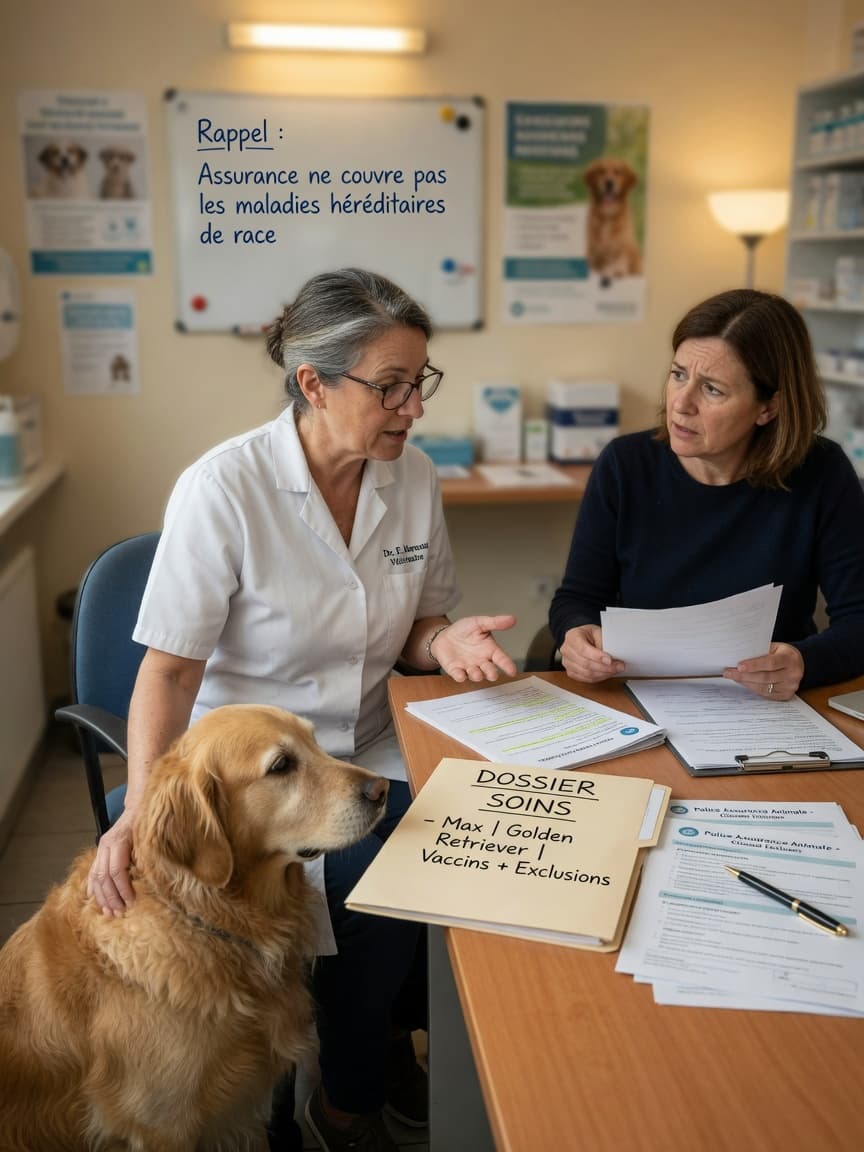
One of the most common questions I encounter from pet owners is whether their insurance will cover a condition their pet already has. It's a crucial question, and unfortunately, the answer is rarely straightforward. Pre-existing conditions represent one of the most significant limitations in pet insurance policies, and understanding how they work could save you thousands of pounds in unexpected veterinary bills.
What Exactly Is a Pre-Existing Condition?
A pre-existing condition is any illness, injury, or health issue that your pet experienced before your insurance policy began. This includes conditions that were diagnosed, treated, or even simply showed symptoms before your coverage started. The key point here is that insurers typically look back at your pet's entire medical history, not just recently diagnosed problems.
Common examples include:
- Arthritis or joint problems
- Diabetes or thyroid conditions
- Allergies or skin conditions
- Heart disease or previous injuries
- Behavioural issues like anxiety
Standard Insurance Policy Exclusions
Most pet insurance providers automatically exclude pre-existing conditions from coverage. This is standard practice across the industry and applies to roughly 80-90% of policies available in Europe. The rationale is sound from an insurer's perspective: they cannot cover conditions that already exist when the policy begins, as this would make the insurance model economically unfeasible.
However, some providers do offer limited exceptions for pets with pre-existing conditions, particularly if:
- The condition has been cured and symptom-free for a specified period (usually 12-24 months)
- You purchase the policy shortly after getting your pet
- You opt for a more expensive premium tier with broader coverage
Time Limitations and Waiting Periods
Even when insurance begins, most policies include waiting periods before cover becomes active. Typically, these range from 14 to 30 days for general conditions, though accidents are often covered immediately. Some insurers impose longer waiting periods—up to 12 months—for specific conditions like cruciate ligament injuries or hereditary conditions.
Understanding these timelines is essential when planning your pet's insurance coverage.
Chronic Conditions: A Grey Area
Chronic conditions that develop after your policy begins are usually covered, even if they'll require ongoing treatment. However, some insurers apply annual limits or may exclude recurring issues after certain thresholds. It's vital to clarify whether your policy covers the full cost of managing chronic conditions long-term.
Practical Steps to Take Now

If your pet already has health concerns, don't assume you're completely unprotected. Consider these actions:
- Insure your pet as early as possible—ideally as a young, healthy animal
- Obtain complete medical records from your veterinary practice before applying
- Read policy documents carefully to understand exactly what exclusions apply
- Ring insurers directly to ask about exceptions for your specific situation
- Compare multiple providers, as exclusion criteria vary considerably
- Consider whether accident-only policies might work as a safety net
Key Takeaways
Pet insurance rarely covers pre-existing conditions, but this shouldn't prevent you from securing coverage. The best strategy is to insure your pet young and keep them covered throughout their life. For existing pets with health issues, investigate all available options—some policies do make exceptions, and accident-only coverage can provide valuable protection against unexpected injuries. Most importantly, review any policy thoroughly before purchasing and maintain open communication with your insurer about your pet's medical history. Your veterinary practice can also provide valuable guidance when selecting appropriate coverage for your individual pet's circumstances.