ForPetsHealthcare
Dogs

Do Cats Get Jealous?

By Julia WrenfieldUpdated August 4, 20264 min read
Evidence-based · Sources checked
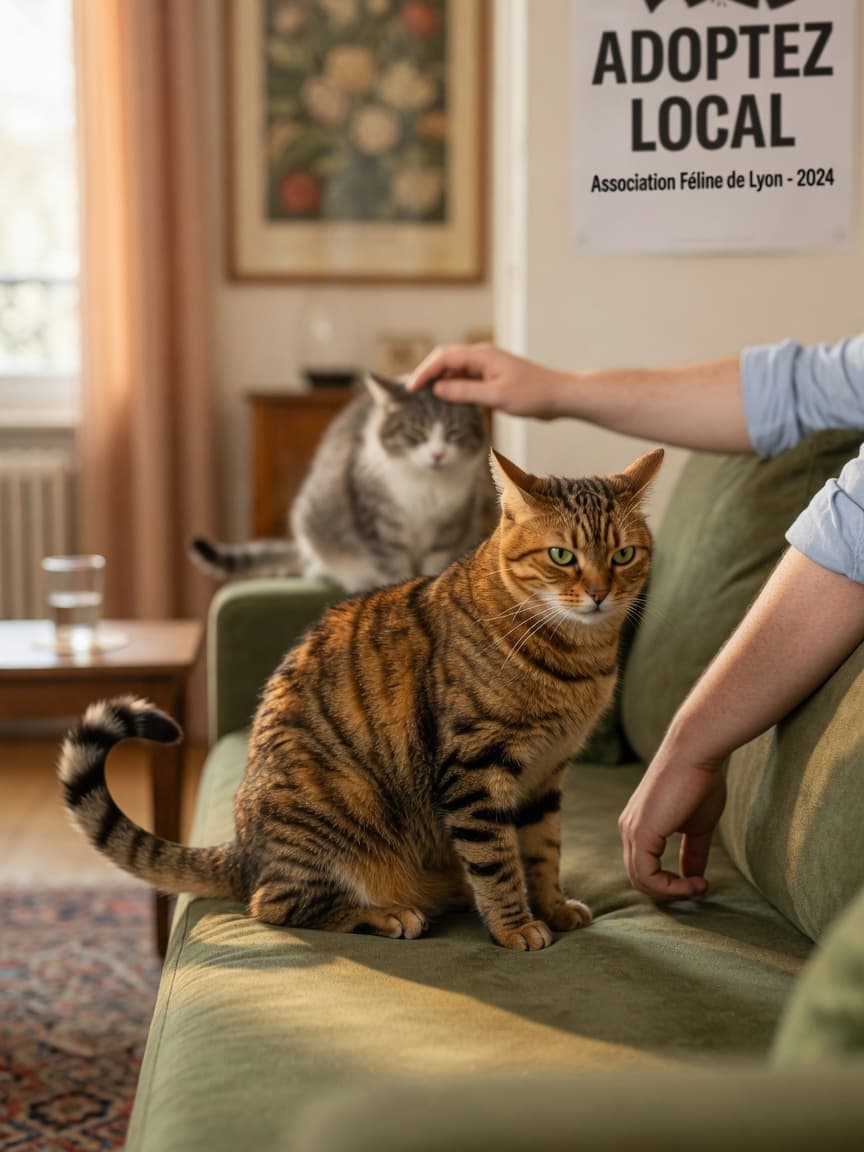
{"en": "Cat watching owner interact with another pet, displaying signs of jealousy and attention-seeking behavior", "es": "Gato observando al due\u00f1o interactuar con otra mascota, mostrando signos de celos y comportamiento de b\u00fasqueda de atenci\u00f3n", "fr": "Chat observant son propri\u00e9taire interagir avec un autre animal de compagnie, affichant des signes de jalousie", "de": "Katze beobachtet Besitzer bei Interaktion mit anderem Haustier, zeigt Eifersucht und Aufmerksamkeitssuchen", "nl": "Kat kijkt toe terwijl eigenaar met ander huisdier interacteert, toont tekenen van jaloezie", "pt": "Gato observando dono interagir com outro animal de estima\u00e7\u00e3o, mostrando sinais de ci\u00fames e comportamento de busca de aten\u00e7\u00e3o", "it": "Gatto che osserva il proprietario interagire con un altro animale domestico, mostrando segni di gelosia"}

If you've ever noticed your cat acting differently when you bring home a new pet, spend extra time with a family member, or even when you're focused on your work, you might be wondering whether feline jealousy is real. The answer is more nuanced than a simple yes or no. Cats do experience emotions that closely resemble jealousy, though their emotional landscape works differently from humans. Understanding what your cat is feeling and why can help you create a more harmonious household and strengthen your bond with your feline companion.

What Science Tells Us About Cat Emotions

Research in feline behaviour and neuroscience has revealed that cats possess the neurological structures necessary to experience complex emotions. Studies published in veterinary journals show that cats have a limbic system—the brain region responsible for emotions—similar to humans. They can experience fear, contentment, frustration, and yes, something akin to jealousy.

Cats are territorial and social animals by nature. When their routine changes or their resources become divided, they may exhibit behaviours that indicate distress or possessiveness. Rather than true jealousy as humans experience it, cats may be responding to perceived threats to their security, territory, or access to their favourite person.

Signs Your Cat Might Be Jealous
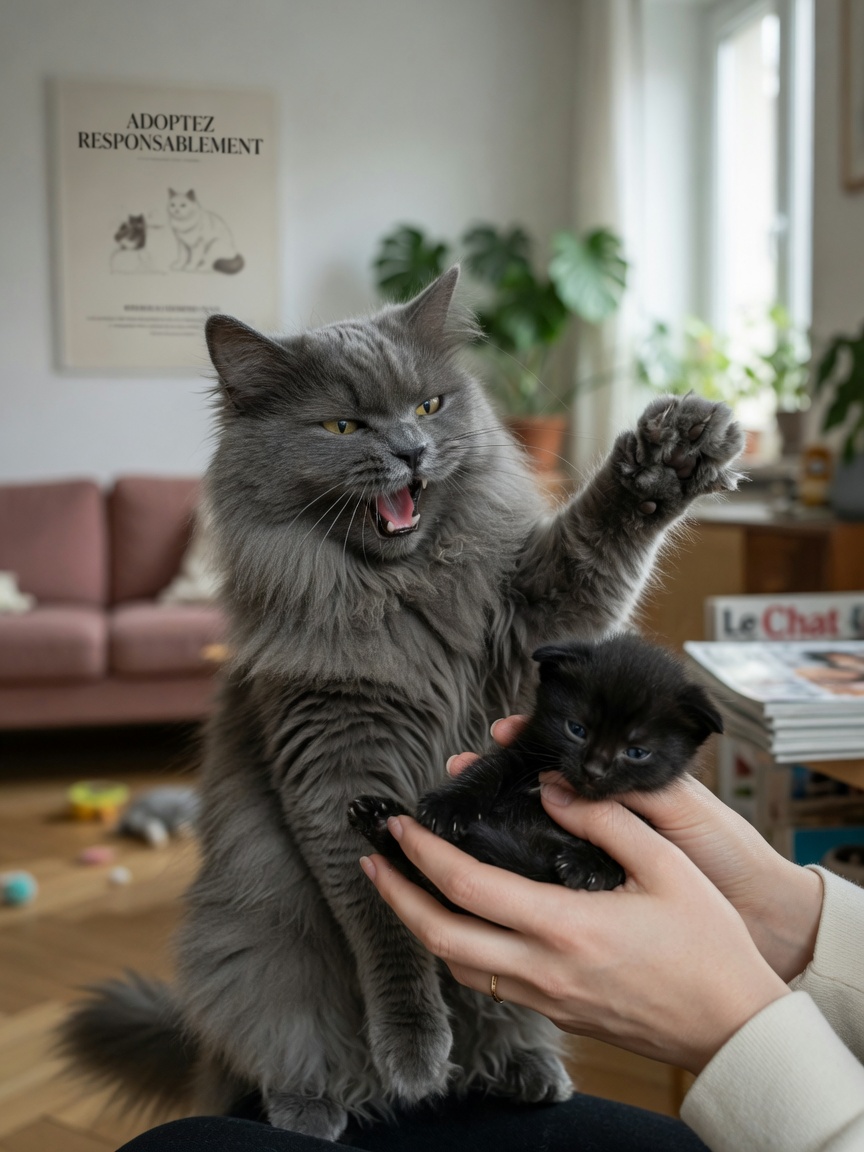
Gray cat hissing and swiping defensively at a new kitten being introduced, showing aggressive jealous behaviour

Recognising jealous or envious behaviour in cats is essential for addressing any issues before they escalate. Common signs include:

  • Attention-seeking behaviour: Demanding more playtime, meowing excessively, or nudging your hand for pets
  • Territorial marking: Increased rubbing against you or increased urine marking around the home
  • Withdrawn behaviour: Hiding more than usual, avoiding family members, or refusing to eat normally
  • Aggressive reactions: Hissing, swatting, or displaying hostile behaviour towards a new pet or person
  • Destructive habits: Scratching furniture excessively or knocking items off shelves
  • Changes in grooming: Over-grooming or neglecting their coat

Common Triggers of Feline Jealousy

Black cat sitting withdrawn in a corner while a new golden retriever receives attention and food in the background

Several situations can provoke jealous responses in cats:

  1. Introduction of a new pet: A new dog, cat, or other animal may be perceived as a rival for resources and attention
  2. New family members: A new baby, partner, or houseguest can disrupt established routines
  3. Work schedule changes: Spending less time at home affects your cat's daily interactions
  4. Shifting attention patterns: Focusing intensely on another pet or person changes the dynamic
  5. Resource competition: Shared food bowls, litter trays, or sleeping spaces can create stress

Managing Jealous Behaviour in Cats

If your cat displays signs of jealousy, several strategies can help:

  • Maintain routine: Keep feeding times, play sessions, and cuddle time consistent and predictable
  • Create separate spaces: Provide each cat with their own litter tray, food bowl, and resting area to reduce competition
  • Introduce new pets gradually: Use slow introduction techniques over several weeks to allow your cat to adjust
  • Reward calm behaviour: Praise and reward your cat when they respond positively to changes
  • Dedicated one-on-one time: Schedule exclusive playtime with your cat every day
  • Provide enrichment: Use puzzle feeders, climbing trees, and interactive toys to keep your cat mentally stimulated

Key Takeaways

Cats do experience jealousy-like emotions rooted in their territorial nature and need for security. By recognising the signs early and implementing positive management strategies, you can help your cat feel secure and valued. Remember that patience and consistency are essential—behavioural changes take time to improve. If your cat's jealous behaviour becomes severe or leads to aggression, consulting with a veterinary behaviourist can provide tailored guidance for your specific situation. Your understanding and compassion can make all the difference in helping your feline friend navigate emotional challenges.

#do cats get jealous#cat health#feline nutrition#forpetshealthcare

Sources & further reading

This article is based on peer-reviewed veterinary research and reputable animal-health sources. Explore the underlying science in our Research Library.

Related articles

The 19 Best Animal Shelters in the Netherlands (2026)

the Netherlands's animal shelters, rescue associations and refuges save thousands of dogs, cats and other animals every year, almost always on tiny budgets and volunteer power. To build the most objective ranking possible, we analysed public Google reviews across more than 56 registered animal-prote…

Read more →

The 25 Best Animal Shelters in Italy (2026)

Italy's animal shelters, rescue associations and refuges save thousands of dogs, cats and other animals every year, almost always on tiny budgets and volunteer power. To build the most objective ranking possible, we analysed public Google reviews across more than 121 registered animal-protection org…

Read more →

The 48 Best Animal Shelters in Germany (2026)

Germany's animal shelters, rescue associations and refuges save thousands of dogs, cats and other animals every year, almost always on tiny budgets and volunteer power. To build the most objective ranking possible, we analysed public Google reviews across more than 152 registered animal-protection o…

Read more →

The 32 Best Animal Shelters in France (2026)

France's animal shelters, rescue associations and refuges save thousands of dogs, cats and other animals every year, almost always on tiny budgets and volunteer power. To build the most objective ranking possible, we analysed public Google reviews across more than 89 registered animal-protection org…

Read more →

The 8 Best Animal Shelters in Portugal (2026)

Portugal's animal shelters, rescue associations and municipal centros de recolha save thousands of dogs, cats and other animals every year, almost always on tiny budgets and volunteer power. To build the most objective ranking possible, we analysed public Google reviews across more than 86 registere…

Read more →

Sphynx Cat Skin care and hygiene: Causes, Signs & Care

Sphynx cats have little to no coat, which means the skin itself takes on jobs that fur normally does — insulation, oil dispersal, and barrier protection — leaving it prone to greasiness, blocked pores, fungal infections, and sunburn. The single most important thing to know is that a Sphynx's skin ne…

Read more →
Disclaimer:This article is for informational purposes only and does not constitute veterinary advice. Always consult a qualified veterinarian for your pet's health concerns.

Free newsletter

Pet health tips, straight to your inbox

Weekly science-backed advice for dog & cat owners. No spam, unsubscribe anytime.