
Why Your Cat Isn't Using the Litter Box: Medical and Behavioural Causes
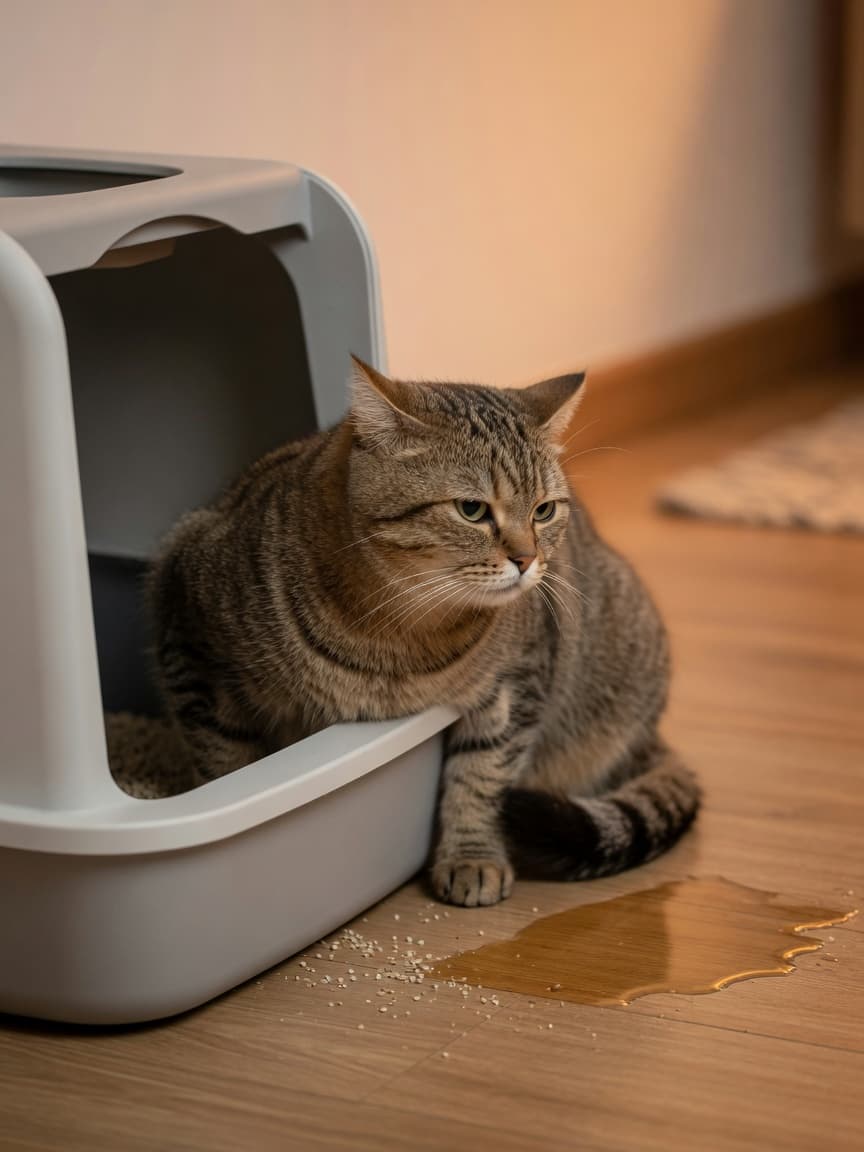
Inappropriate elimination is one of the most common reasons cats are surrendered to shelters. It is also one of the most misunderstood. What looks like defiance or poor training is almost always a symptom — either of an underlying medical condition, a problem with the litter box setup itself, or a behavioural response to stress. Getting to the root cause requires a systematic approach rather than frustration or punishment, which invariably makes the problem worse.
Rule Out Medical Causes First

Before any behavioural explanation is considered, a thorough veterinary examination is non-negotiable. A significant proportion of cats presenting with litter box avoidance have an underlying physical condition driving the behaviour.
Feline idiopathic cystitis is one of the most common culprits. Cats with this condition experience bladder pain and urgency that causes them to associate the litter box itself with discomfort — leading them to seek alternative surfaces in the hope of relief. You may notice your cat straining, vocalising during urination, producing small amounts frequently, or passing blood-tinged urine. This is a veterinary emergency if urination stops entirely, particularly in male cats who are at risk of life-threatening urethral obstruction.
Urinary tract infections, bladder stones, kidney disease, diabetes, and hyperthyroidism can all affect elimination behaviour. In older cats, arthritis is a frequently overlooked cause: a litter tray with high sides may simply be too painful to step into, or the tray may be located somewhere that requires climbing stairs the cat can no longer manage comfortably.
Gastrointestinal conditions including inflammatory bowel disease, constipation, and food intolerance can similarly result in defecation outside the box, particularly if the cat associates the tray with pain or urgency. A full physical examination, urinalysis, and blood panel will identify most of these conditions and should always be the starting point.
Litter Box Setup: The Most Common Overlooked Factor
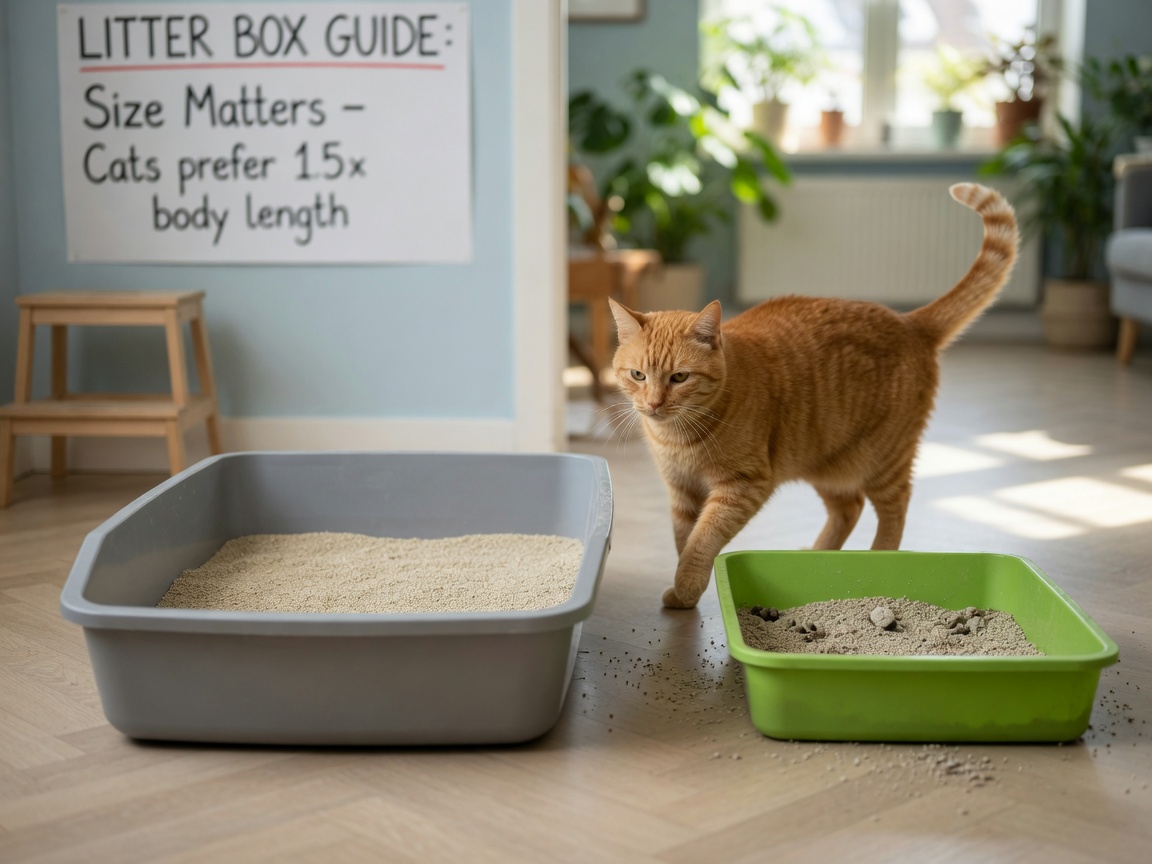
Once medical causes have been excluded, the litter box environment itself deserves careful scrutiny. Cats have highly specific preferences, and what seems adequate to a human observer may be genuinely unacceptable to the cat.
- Size matters significantly. Most commercially available litter trays are too small for adult cats. The general guideline is that the tray should be one and a half times the length of your cat from nose to tail base. Many cats, especially larger breeds, are essentially unable to turn around and position themselves comfortably in standard trays.
- The number of trays is equally important. The recommended minimum is one tray per cat plus one additional. A household with two cats should have at least three trays, positioned in different locations. A single shared tray frequently results in avoidance by the more subordinate cat.
- Litter type preference varies considerably between individuals. Unscented, fine-grained clumping litter most closely resembles the sandy or loose soil substrate that cats prefer instinctively. Heavily perfumed litters are designed to appeal to owners, not cats, and the scent can be deterrent enough to cause avoidance.
- Covered trays concentrate odour inside and restrict airflow. While some cats use them without issue, others find the enclosed space aversive or feel trapped — a significant concern for cats in multi-cat households where ambush at the tray is a real social dynamic.
- Cleaning frequency is the single factor most consistently linked to avoidance. Cats are fastidious animals and many will refuse to enter a soiled tray. Scooping at least once daily and replacing the litter entirely on a regular cycle is essential.
Location, Location, Location
Where you place the litter tray can be as important as what goes in it. Trays positioned next to noisy appliances such as washing machines or boilers are commonly avoided — a sudden spin cycle mid-visit is enough to create a lasting aversion. Locations adjacent to food and water bowls are similarly rejected by most cats.
High-traffic areas where the cat feels exposed or surveilled are stressful. Equally, a tray tucked away in a remote area of the house may simply be too far from where the cat spends most of its time, particularly for older or unwell animals. Aim for quiet, low-traffic areas with a clear sightline — cats prefer to see what is approaching while they are in a vulnerable position.
Behavioural and Stress-Related Causes
When medical and environmental factors have been addressed and the problem persists, the cause is most likely psychological. Stress, as described in the preceding article, is a powerful driver of inappropriate elimination, and the triggers are not always obvious.
Spraying — depositing small amounts of urine on vertical surfaces — is a distinct behaviour from inappropriate toileting and primarily serves a communicative function. It is most common in unneutered males but occurs in neutered cats of both sexes, typically in response to perceived territorial threat. Outdoor cats visible through windows, new animals in the home, or neighbourhood changes are common triggers.
Substrate or location preference can develop if a cat has repeatedly used an alternative surface and found it satisfactory. Carpets, laundry, and soft furnishings are common targets. Once a preference is established, it requires patient retraining alongside environmental modification rather than punishment.
Addressing the Problem Practically
The most effective approach combines addressing any identified medical issue, optimising the litter box setup, reducing identified stressors, and — where a surface preference has developed — making the preferred alternative less attractive while improving the appeal of the tray. Enzymatic cleaners that fully neutralise urine odour are essential; standard household cleaners do not eliminate the scent markers that bring a cat back to the same spot.
If the problem is complex or long-standing, a referral to a veterinary behaviourist or a consultation with a qualified feline behaviour counsellor can provide a structured, evidence-based treatment plan. With patience and the right approach, the vast majority of litter box problems are entirely resolvable.