
What Is Inflammatory Bowel Disease in Cats?
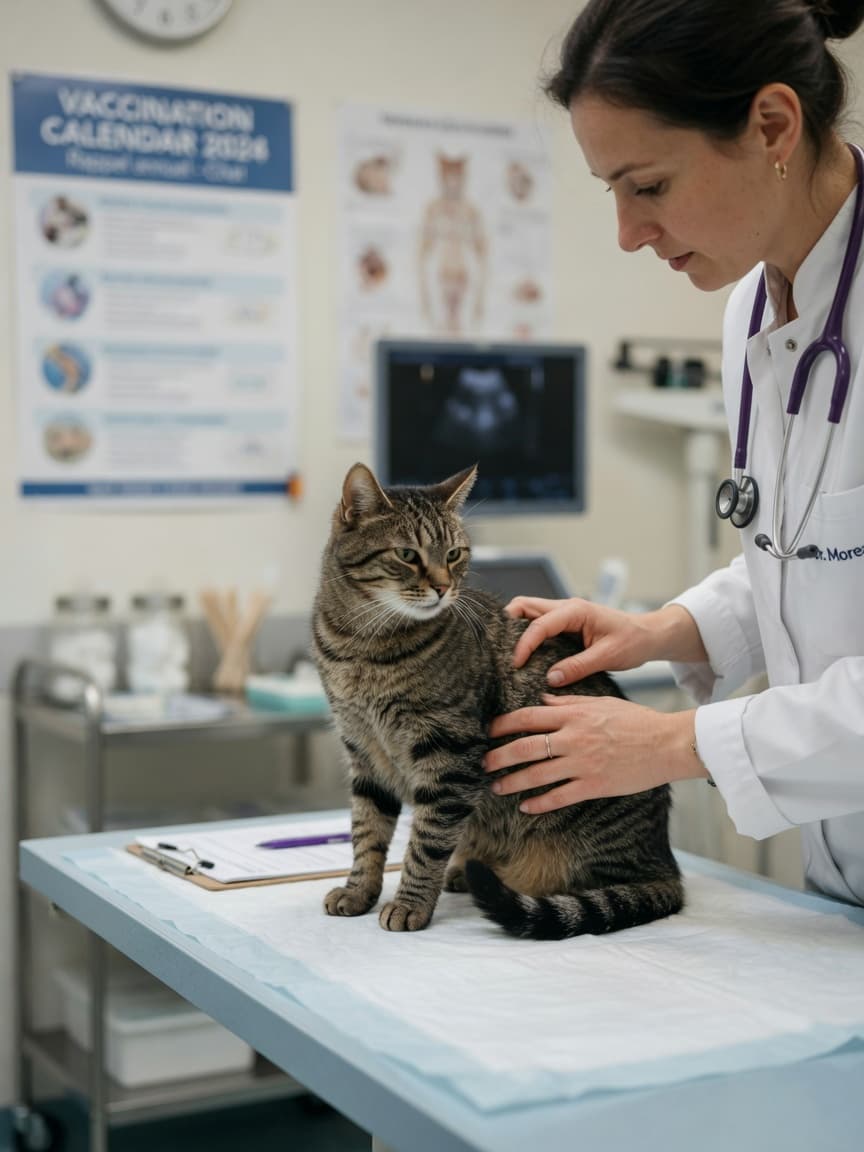
Inflammatory Bowel Disease, or IBD, is one of the most common causes of chronic gastrointestinal problems in cats. It describes a group of conditions in which the walls of the digestive tract become infiltrated with inflammatory cells, disrupting normal digestion and absorption. IBD is not a single disease but rather a category that encompasses several related conditions depending on which type of inflammatory cell predominates and which part of the gut is affected.
IBD is a lifelong condition in most cats, but with appropriate diagnosis and management, the majority of affected cats can achieve a very good quality of life. The key is understanding what you are dealing with and working closely with your vet to find the right combination of diet and medication.
Types of IBD in Cats
Lymphocytic-Plasmacytic IBD
The most common form of IBD in cats is lymphocytic-plasmacytic enteritis, in which the gut wall is infiltrated predominantly by lymphocytes and plasma cells. This form can affect the stomach, small intestine, or large intestine, and causes a chronic, low-grade inflammation that impairs nutrient absorption and disrupts normal gut motility.
Small Intestinal vs Large Intestinal IBD
The location of inflammation influences the symptoms seen. Small intestinal IBD tends to cause weight loss, vomiting, and diarrhoea with a large volume of faeces. Large intestinal IBD (sometimes called feline inflammatory colitis) typically causes frequent passage of small amounts of faeces, often with straining and mucus or blood in the stool. Some cats have IBD affecting multiple regions of the gut simultaneously.
IBD and Alimentary Lymphoma: An Important Distinction
One of the most important — and challenging — aspects of feline IBD is its close resemblance to alimentary (gastrointestinal) lymphoma, a form of cancer. Low-grade alimentary lymphoma in cats presents with almost identical clinical signs and can even look very similar on ultrasound imaging. The distinction between IBD and lymphoma matters enormously because treatment differs significantly: IBD is typically managed with steroids and dietary modification, while lymphoma requires chemotherapy in addition to or instead of steroids.
This is why biopsy is so important. Histopathology — microscopic examination of gut wall tissue — is the only reliable way to differentiate IBD from low-grade lymphoma. Additional testing using immunohistochemistry can help classify the type of lymphocytes present, providing further clarity. This is not a distinction that can be made on blood tests or ultrasound alone.
Symptoms of IBD in Cats
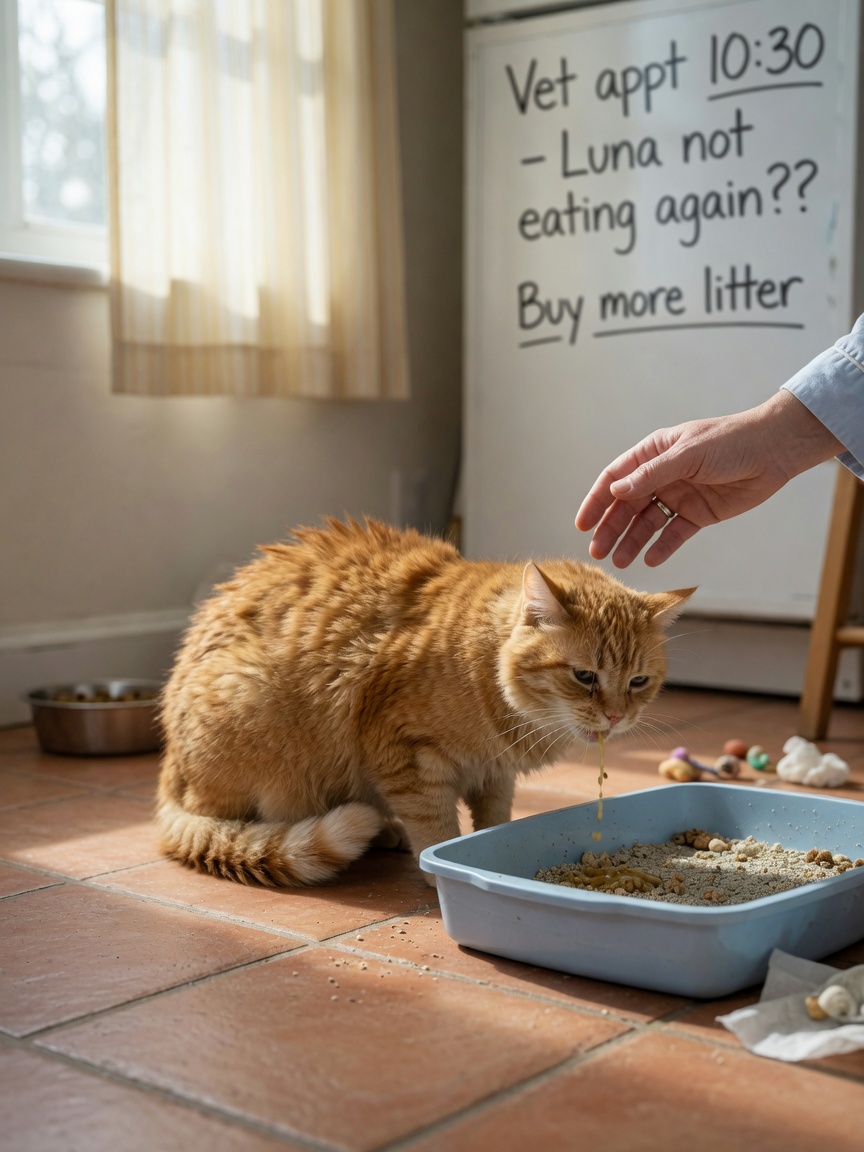
The symptoms of IBD are often chronic and gradually worsening over months or even years. They include:
- Chronic vomiting — this is the most common presenting sign in small intestinal IBD, and can range from occasional to daily
- Diarrhoea, which may be intermittent or persistent
- Weight loss, often progressive and sometimes marked despite what appears to be a normal or even increased appetite
- Variable appetite — some cats eat ravenously due to poor absorption, others lose interest in food during flares
- Poor coat condition and general dullness
- Occasional blood in the stool in cases of large intestinal involvement
Because many of these symptoms develop gradually, owners sometimes do not seek veterinary attention until the cat has already lost significant weight. If your cat has been vomiting more than once or twice a week for several weeks, or if you notice unexplained weight loss, a vet visit is warranted.
Diagnosis
Diagnosing IBD involves ruling out other causes and then confirming the specific type of gut inflammation present.
- Blood tests are an important starting point and may reveal anaemia, low protein levels (particularly albumin), and elevated inflammatory markers. Crucially, vitamin B12 (cobalamin) and folate levels should be checked: B12 deficiency is very common in cats with small intestinal disease and causes its own symptoms including lethargy and poor appetite. Low folate can help localise disease to the upper small intestine.
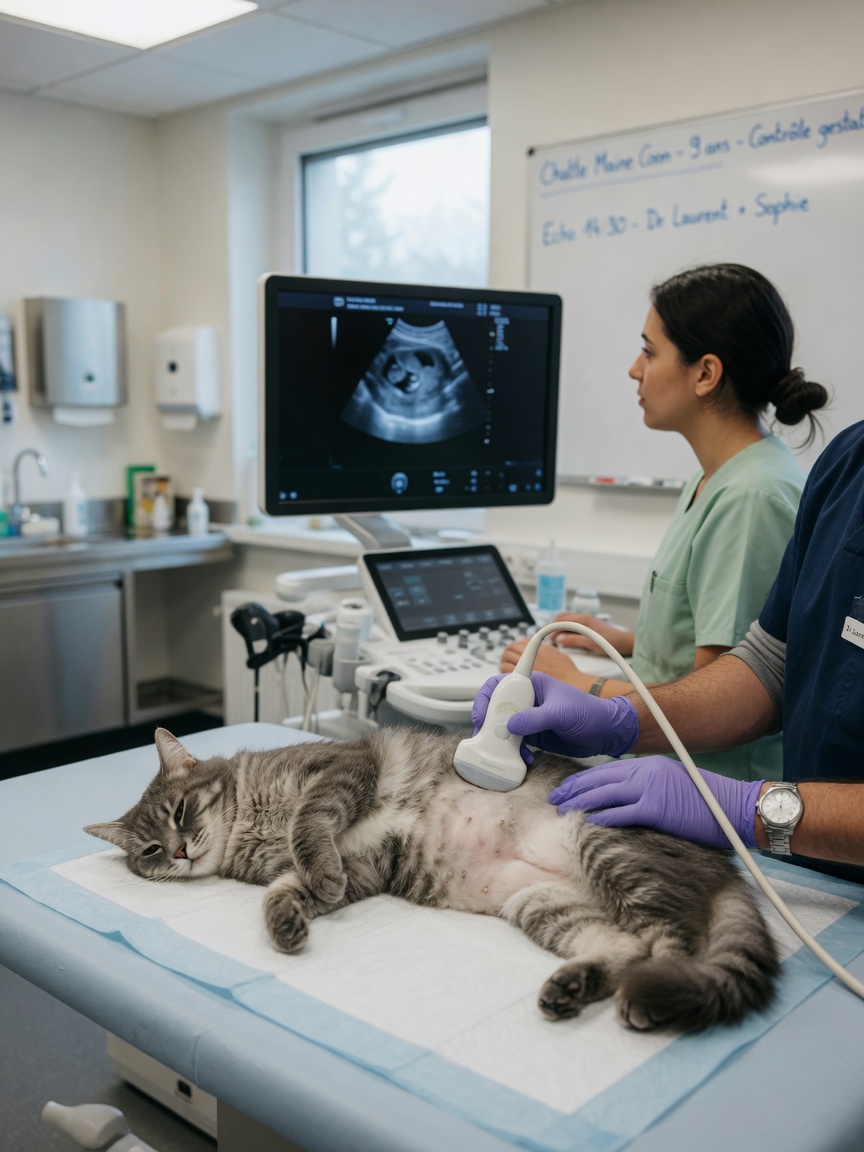
- Abdominal ultrasound allows assessment of gut wall thickness and layering, lymph node size, and the liver and pancreas (given the association with triaditis). An experienced ultrasonographer can identify changes consistent with IBD or lymphoma, though imaging cannot definitively distinguish between them.
- Dietary trial: Before proceeding to biopsy, many vets recommend an eight to twelve week trial of a novel protein or hydrolysed protein diet to exclude food-responsive enteropathy, which can mimic IBD. Novel protein diets use a protein source the cat has never been exposed to (such as rabbit or venison), while hydrolysed diets break proteins down to a size too small to trigger an immune response. Some cats respond dramatically to dietary change alone and do not require medication.
- Biopsy: Definitive diagnosis requires tissue sampling. This can be achieved via endoscopy (a camera passed into the stomach and small intestine) or surgical biopsy under general anaesthetic. Endoscopy is less invasive but only reaches the upper gastrointestinal tract; surgical biopsy allows assessment of the full thickness of the gut wall and access to more of the intestine. Both approaches have their merits and the choice will depend on the individual cat's situation.
Treatment
Once IBD has been confirmed and differentiated from lymphoma, treatment is tailored to the individual cat.
Prednisolone
Prednisolone, an oral corticosteroid, is the foundation of IBD treatment in most cats. It reduces gut inflammation and allows the intestinal lining to recover. Most cats respond well to an initial higher dose that is then gradually tapered to the lowest effective maintenance dose. Long-term low-dose prednisolone is well tolerated by most cats and allows a good quality of life.
Chlorambucil
For cats whose IBD does not respond adequately to prednisolone alone, or for those with confirmed low-grade lymphoma, chlorambucil (an oral chemotherapy agent) is often added. Combined prednisolone and chlorambucil therapy produces excellent results in many cats with low-grade lymphoma, with median survival times measured in years in some studies. Cats generally tolerate chlorambucil very well with minimal side effects.
Vitamin B12 Supplementation
For cats with confirmed B12 deficiency — common in small intestinal disease — B12 injections are given initially, often weekly for several weeks, followed by monthly maintenance doses. Correcting B12 deficiency can significantly improve appetite and energy levels independent of other treatments.
Living with IBD Long Term
IBD is a chronic condition and most cats will require some level of ongoing management for life. Regular monitoring — blood tests every three to six months, weight checks, and assessment of symptoms — allows the treatment plan to be adjusted as needed. Flares can occur and may require temporary increases in medication. With a stable routine, however, most cats with IBD live comfortably and maintain a good quality of life for many years after diagnosis.