
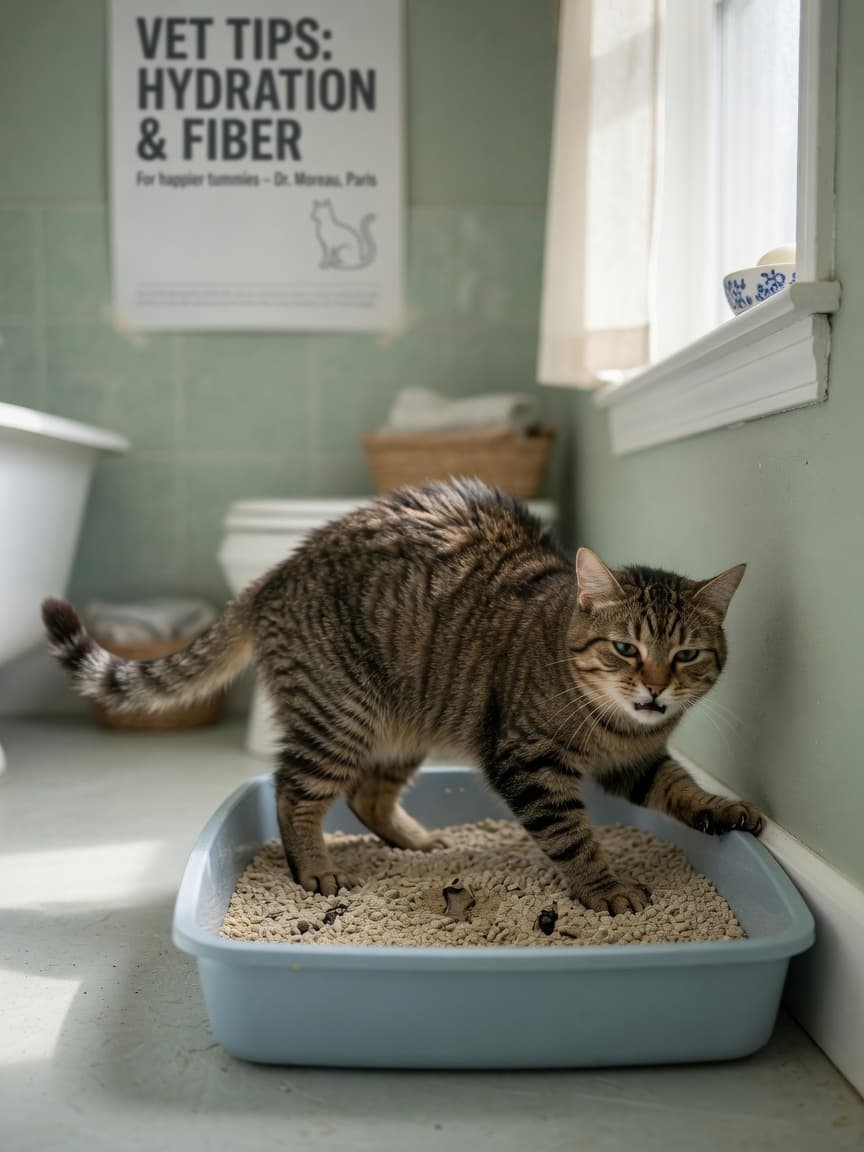
Understanding Constipation in Cats
Constipation occurs when faeces move too slowly through the colon, allowing excessive water to be reabsorbed. The result is dry, hard stools that are difficult or impossible to pass. While an occasional missed day in the litter tray is not necessarily a cause for alarm, persistent constipation is a serious problem — one that can escalate from discomfort to a life-altering condition if not properly managed.
Cats that are particularly prone to constipation include indoor cats (who tend to be less physically active), senior cats (whose gut motility naturally slows with age), and cats that are dehydrated, overweight, or have a history of pelvic injury. Male cats are also slightly more commonly affected than females.
Signs of Constipation in Cats
The challenge with constipation is that its early signs can be mistaken for other problems. A cat straining in the litter tray may look very similar to one with a urinary obstruction — and it is essential to distinguish between the two, as urinary blockage is a life-threatening emergency.
Signs that suggest constipation include:
- Frequent trips to the litter tray with prolonged straining and little or no result
- Small amounts of dry, hard, or crumbly faeces
- Crying out or vocalising during attempts to defecate
- Loss of appetite and lethargy
- Occasional vomiting associated with straining
- A visibly distended or uncomfortable abdomen
- Weight loss in chronic cases
If you are unsure whether your cat is straining to urinate or defecate, contact your vet immediately. Your vet can quickly assess which system is affected through physical examination and, if needed, imaging.
What Causes Constipation in Cats?
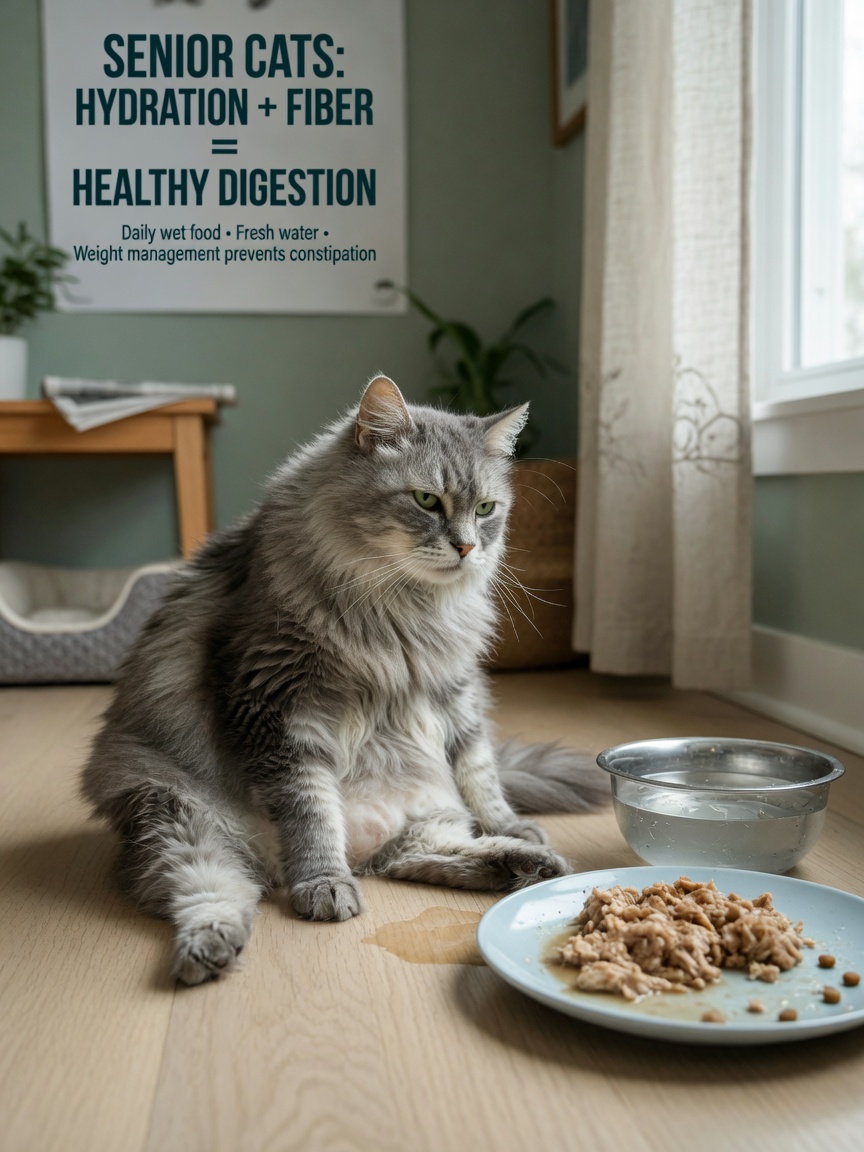
There are several contributing factors, and in many cats multiple causes are present at once.
Dehydration
This is probably the single most significant factor. When a cat does not drink enough water — which is common in cats fed predominantly dry kibble — the colon compensates by extracting more water from the stool, making it progressively harder and more difficult to pass. Cats that are ill or unwell for other reasons may also become dehydrated, compounding the problem.
Low-Fibre Diet
Dietary fibre helps retain water in the stool and stimulates normal gut movement. A diet lacking adequate fibre can slow colonic transit time. However, it is worth noting that too much fibre can also be counterproductive in some cats, so any dietary change should ideally be made with veterinary guidance.
Pain on Posturing
Cats with arthritis, particularly in the hips or lower spine, may find it painful to adopt the squatting position needed to defecate. Rather than tolerating the pain, they may delay or avoid using the litter tray, leading to faeces remaining in the colon for too long. This is a particularly important and underappreciated cause of constipation in senior cats.
Previous Pelvic Injury
Cats that have suffered a pelvic fracture — commonly from road traffic accidents — may develop a narrowed pelvic canal. This physical narrowing can make the passage of stool difficult and predispose the cat to chronic constipation, sometimes for the rest of its life.
Other Causes
Neurological disease, certain medications (particularly opioid-based pain relief), masses or polyps in or around the colon, and perineal hernias can all interfere with normal defecation.
Megacolon: The Serious Complication
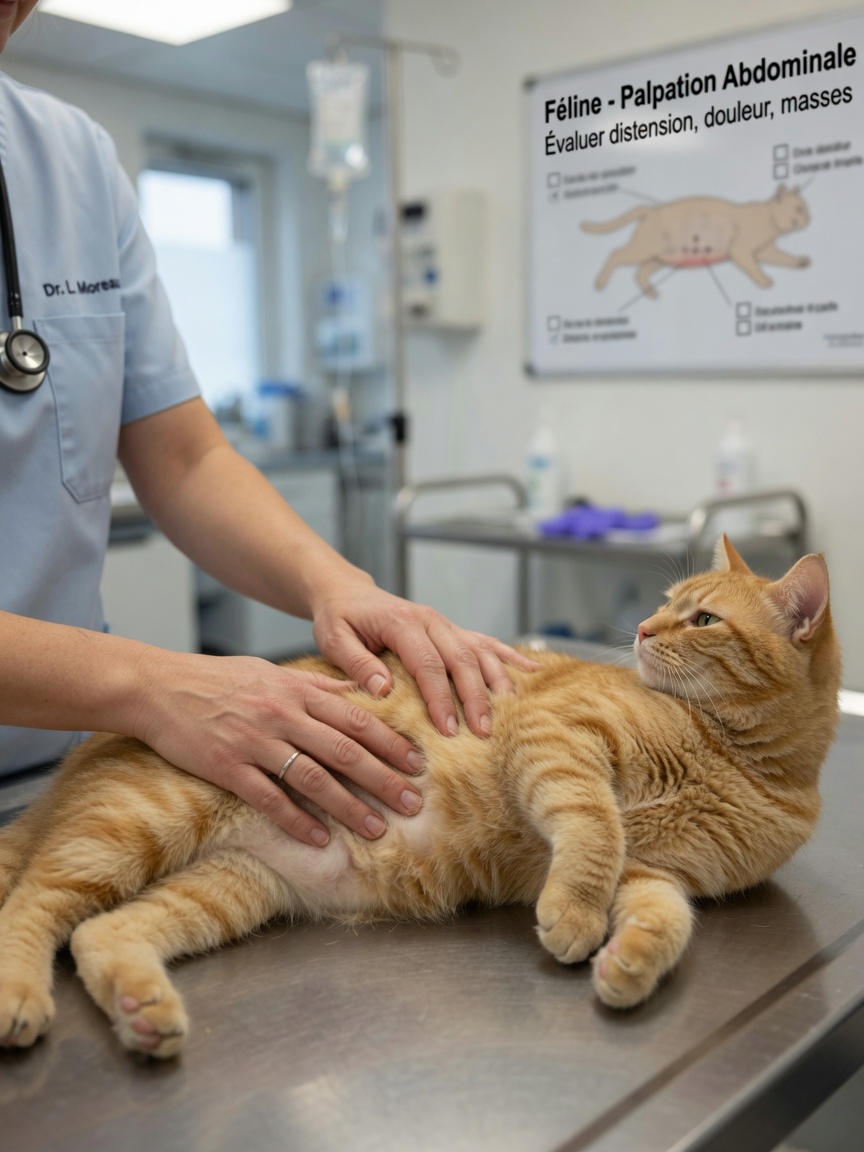
If constipation becomes chronic and is not adequately managed, the colon can become permanently and irreversibly stretched — a condition called megacolon. In megacolon, the muscle of the colonic wall loses its ability to contract effectively, making it unable to propel faeces forward regardless of how much fluid or dietary fibre is present. The prognosis for megacolon is significantly worse than for simple constipation, and management becomes far more intensive.
Cats with megacolon may still respond partially to medical management, but many ultimately require surgical intervention — specifically a procedure called subtotal colectomy, in which most of the diseased colon is removed. This surgery carries risks but can offer affected cats a much improved quality of life. Prevention — through early and consistent management of constipation — is far preferable to reaching this point.
The Treatment Ladder
Vets typically approach feline constipation in a step-by-step manner, starting with the least invasive options and escalating as needed.
Dietary Changes and Increased Water Intake
Switching to a wet food diet or adding water to meals is often the first recommendation. Some cats also benefit from the addition of a soluble fibre supplement such as psyllium husk. A veterinary nutritionist or your vet can help tailor the diet to your cat's individual needs and underlying health status.
Lactulose
Lactulose is a sweet-tasting liquid laxative that works by drawing water into the colon, softening the stool and making it easier to pass. It is generally well tolerated and can be given at home. The dose is adjusted to produce soft but formed stools — too much will cause diarrhoea, too little will not be effective. It is available on prescription from your vet.
Cisapride
Cisapride is a prokinetic drug — it stimulates coordinated muscle contractions in the colon, helping faeces move forward more efficiently. It is often used alongside lactulose for cats with more persistent constipation. Cisapride is a prescription medication and is not widely available in all countries, but most veterinary practices can source it where needed.
Manual Deobstipation
When a cat is severely impacted — with a large, hard mass of faeces that cannot be passed — manual removal is necessary. This is performed under sedation or general anaesthesia by your vet and involves softening and breaking up the faecal mass using water enemas and careful manual manipulation. It can be uncomfortable and carries some risks, which is why reaching this point through delayed treatment is best avoided. Following deobstipation, long-term medical management must be implemented to prevent recurrence.
Long-Term Management
Constipation in cats is rarely a one-time event. Once a cat has been constipated, they are at increased risk of recurring episodes. Long-term management involves maintaining hydration, sticking to appropriate dietary fibre levels, using medications as directed, addressing any underlying pain (particularly in arthritic cats), and ensuring the litter tray is clean, accessible, and appropriately positioned. Regular veterinary check-ups allow your vet to monitor colonic health and adjust the management plan before problems escalate.