
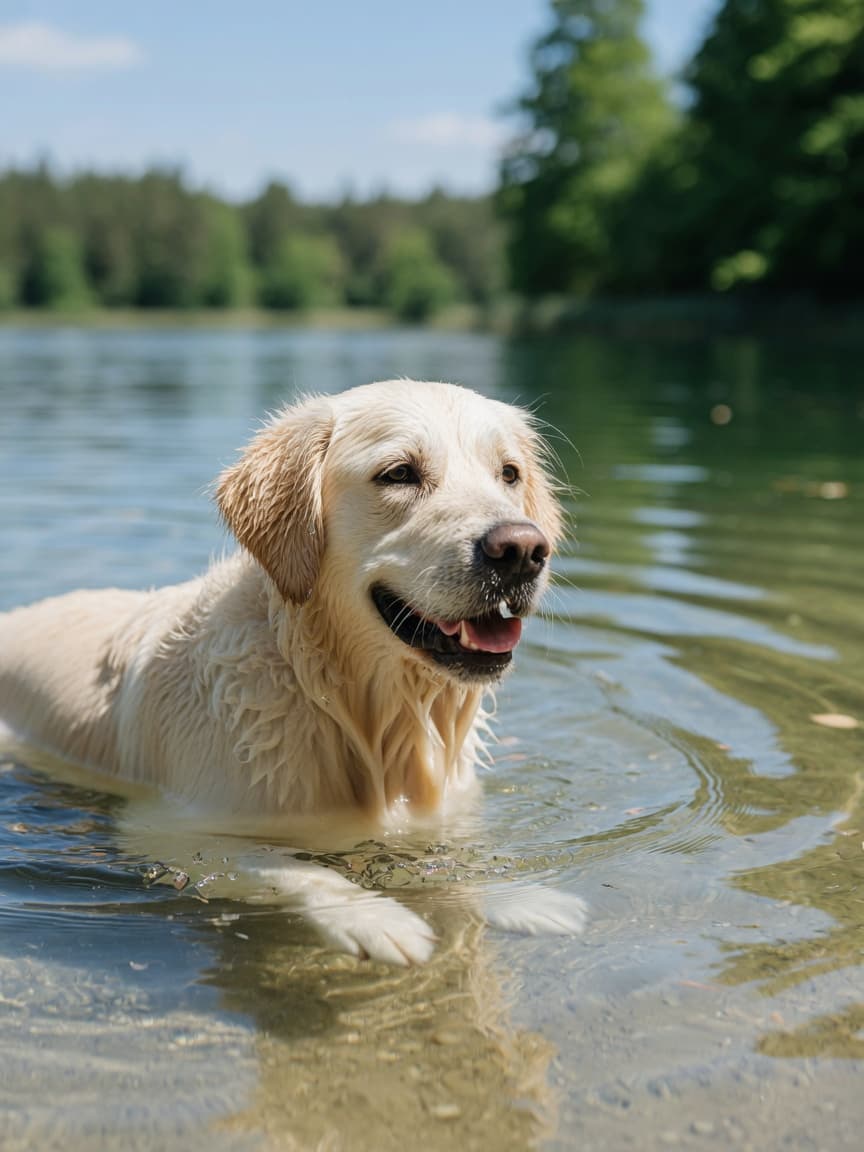
Summer is an exciting time for dog owners across Europe, bringing longer days, outdoor adventures, and quality time with our canine companions. However, the warm season also presents unique health challenges that require our attention and care. From heat stress to increased parasite activity, understanding how to keep your dog safe and healthy during summer months is essential for responsible pet ownership. This comprehensive guide explores the key health concerns facing our four-legged friends during summer 2021 and provides evidence-based strategies to ensure they thrive during the season.
Summer Heat and Heat Stroke Prevention
The summer sun poses one of the most significant risks to canine health. Dogs cannot regulate their body temperature as efficiently as humans, relying primarily on panting to cool down. When temperatures soar, this cooling mechanism becomes inadequate.
- Keep fresh water available at all times, changing it frequently to maintain cool temperature
- Provide shaded areas where your dog can retreat from direct sunlight
- Avoid exercising during peak heat hours (11 am to 3 pm)
- Never leave your dog in a parked car, even with windows open
- Consider cooling vests or wet towels during particularly warm days
Watch for signs of heat stress including excessive panting, drooling, lethargy, and vomiting. If your dog shows these symptoms, move them to a cool location immediately and contact your veterinary surgeon.
Parasite Control During Summer Months
Summer creates ideal conditions for fleas, ticks, and other parasites. Warmer temperatures accelerate their lifecycle, making prevention crucial for your dog's wellbeing.
- Maintain consistent flea and tick prevention treatments throughout summer, following your vet's recommendations
- Check your dog's coat regularly for signs of fleas or ticks, particularly after outdoor activities
- Wash bedding frequently in hot water to eliminate flea eggs and larvae
- Consider environmental treatments for your home and garden if infestation occurs
- Keep grass trimmed to reduce tick habitats
Beyond fleas and ticks, summer increases the risk of mosquito-borne diseases and intestinal parasites spread through contaminated water and soil.
Paw Care and Exercise Considerations
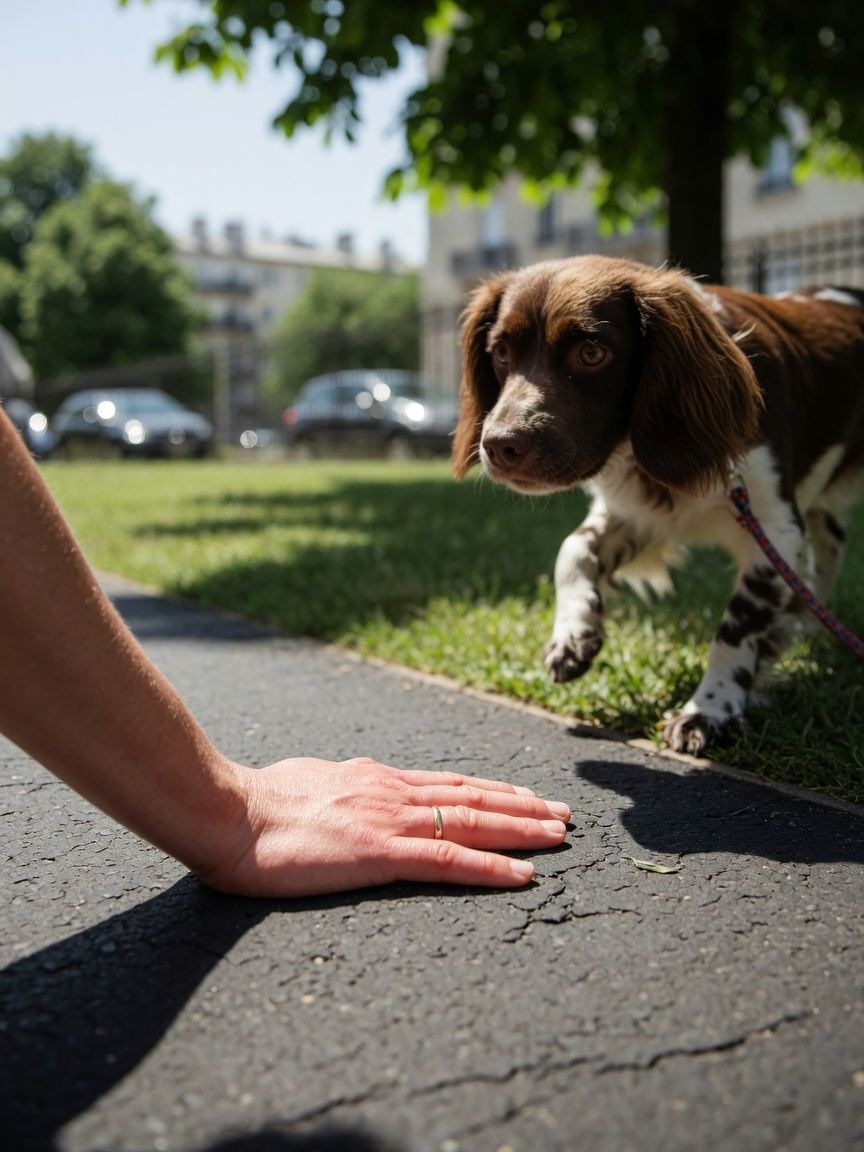
Hot pavements and sand can cause painful burns to your dog's sensitive paw pads. Tarmac can reach temperatures exceeding 60°C on warm days—hot enough to damage skin within seconds.
- Test pavement temperature with your hand before taking your dog out
- Consider protective dog boots for summer walks
- Apply dog-safe paw balm to prevent cracking and burning
- Adjust exercise routines to include early morning or evening walks
- Provide soft surfaces like grass whenever possible
Dietary Adjustments and Hydration
Summer heat can affect your dog's appetite and nutritional needs. Some dogs eat less during hot weather, whilst others require additional calories due to increased activity.
Ensure your dog consumes adequate water—thirst mechanisms are unreliable indicators of actual hydration needs. Many veterinarians recommend offering water-rich foods such as courgette or watermelon (in moderation) alongside fresh water. Avoid leaving food out for extended periods during warm weather, as it spoils quickly.
Swimming Safety and Water Activities
Whilst many dogs enjoy water-based recreation during summer, this brings specific health considerations. Not all dogs are natural swimmers, and cold water can trigger shock responses.
- Never force your dog into water—allow them to enter at their own pace
- Use canine-specific life jackets for water activities, particularly for puppies and senior dogs
- Dry your dog thoroughly after swimming to prevent ear infections and skin irritation
- Rinse freshwater through their coat after swimming in seas or chlorinated pools
- Supervise water play at all times
Key Summer Health Takeaways
Summer needn't be a source of stress for you or your canine partner. By implementing these evidence-based strategies, you can ensure your dog remains healthy, happy, and safe throughout the warmest months. Prioritise regular veterinary check-ups, maintain preventative parasite treatments, adjust exercise routines appropriately, and remain vigilant about hydration and heat-related risks. With thoughtful planning and consistent care, summer can become a truly enjoyable season for both you and your beloved companion.