
Summer brings wonderful opportunities for our canine companions to enjoy outdoor adventures, but it also presents unique health challenges that require our attention and care. Whether your dog is a seasoned outdoor enthusiast or prefers lazy afternoons in the garden, understanding how to keep them safe and healthy during the warmer months is essential for responsible pet ownership. This comprehensive guide explores the key health considerations for dogs during summer, drawing on current veterinary research and practical wisdom to help you and your furry friend make the most of the season.
Managing Heat Stress and Dehydration
Heat stress remains one of the most serious threats to canine health during summer months. Dogs regulate their body temperature primarily through panting, making them particularly vulnerable to overheating, especially breeds with flat faces such as Bulldogs and Pugs.
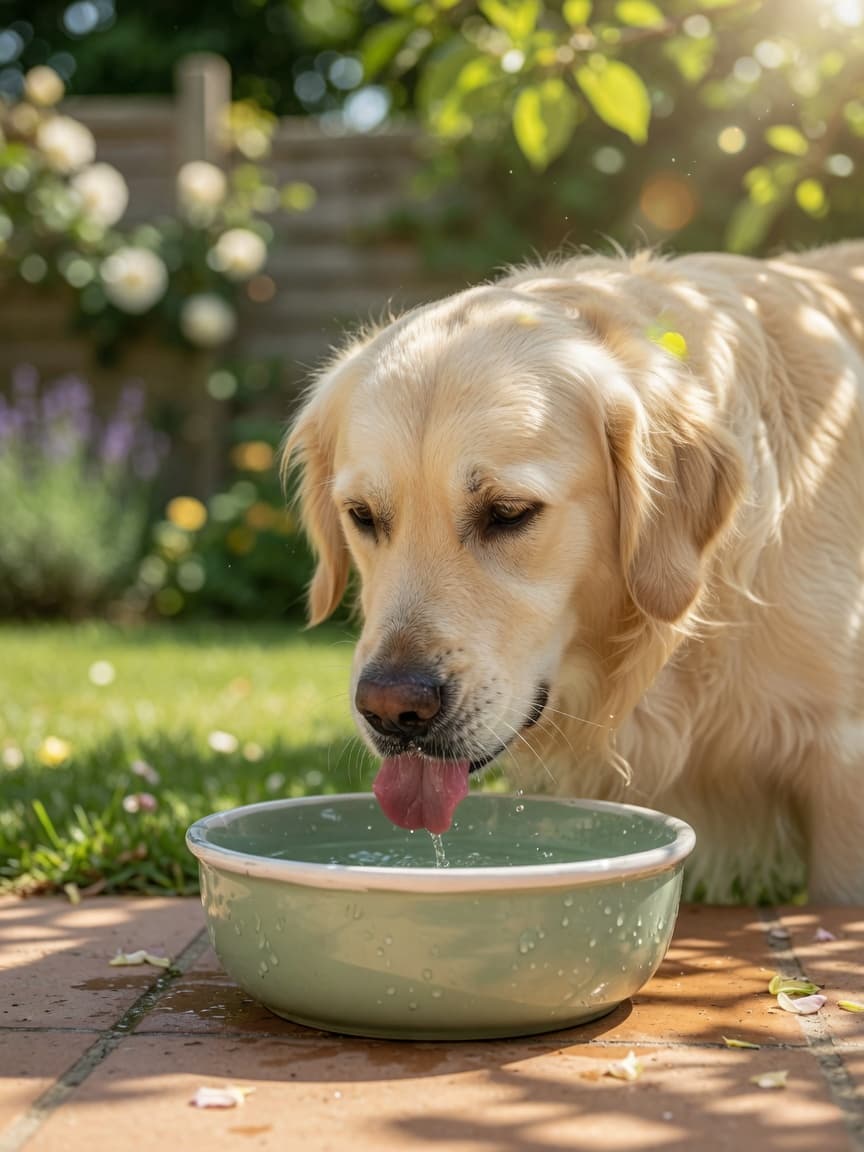
- Provide constant access to fresh, cool water—consider multiple bowls placed around your home and garden
- Avoid exercising your dog during peak heat hours (11am to 3pm); opt for early morning or late evening walks instead
- Never leave your dog in parked vehicles, even with windows cracked open—temperatures can reach dangerous levels within minutes
- Create shaded outdoor spaces and consider cooling mats for resting areas
- Watch for signs of heat stress including excessive panting, drooling, weakness, or collapse
Parasites and Pest Prevention
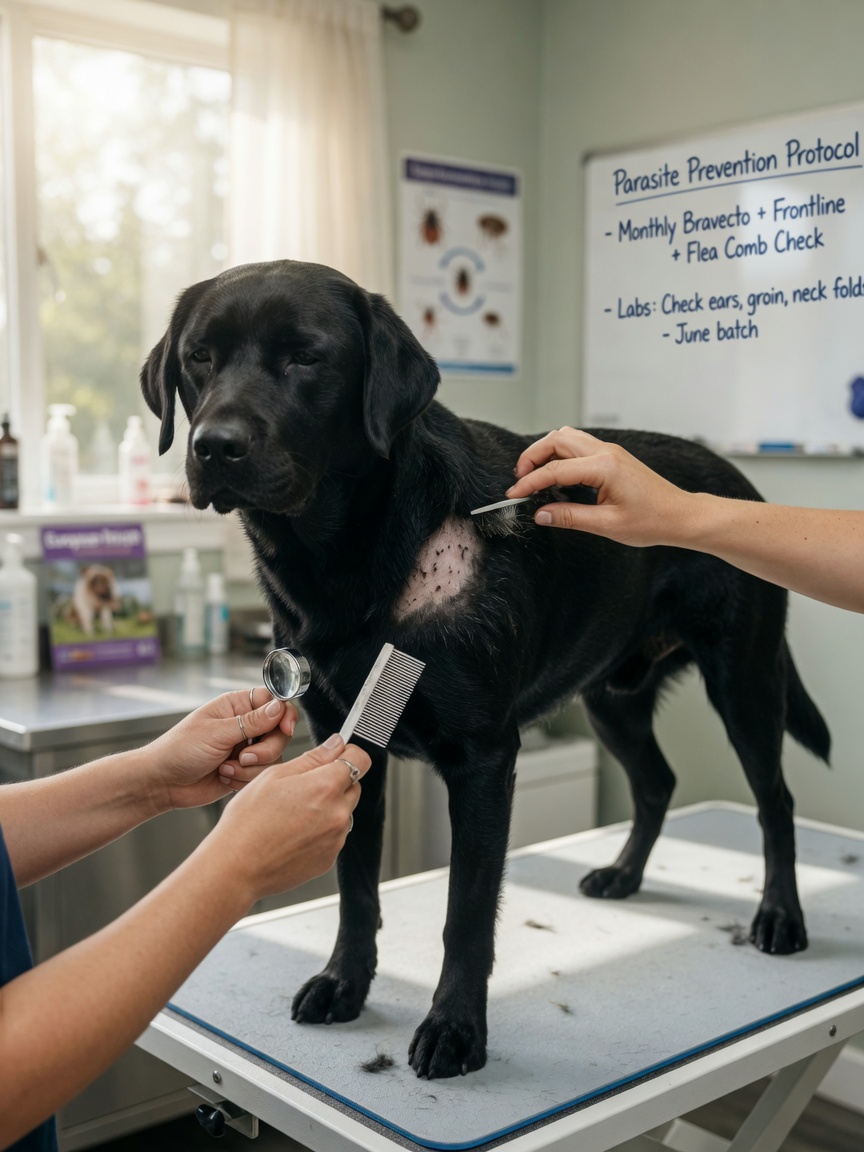
Summer warmth creates ideal conditions for fleas, ticks, and other parasites. These pests don't just cause discomfort; they can transmit serious diseases affecting your dog's health.
Consult your veterinarian about appropriate preventative treatments for your dog's age, weight, and lifestyle. Regular grooming helps you spot parasites early, whilst maintaining your garden—removing standing water and keeping grass trimmed—reduces pest habitats. Check your dog thoroughly after outdoor adventures, particularly in woodland or grassy areas.
Paw Care and Skin Health
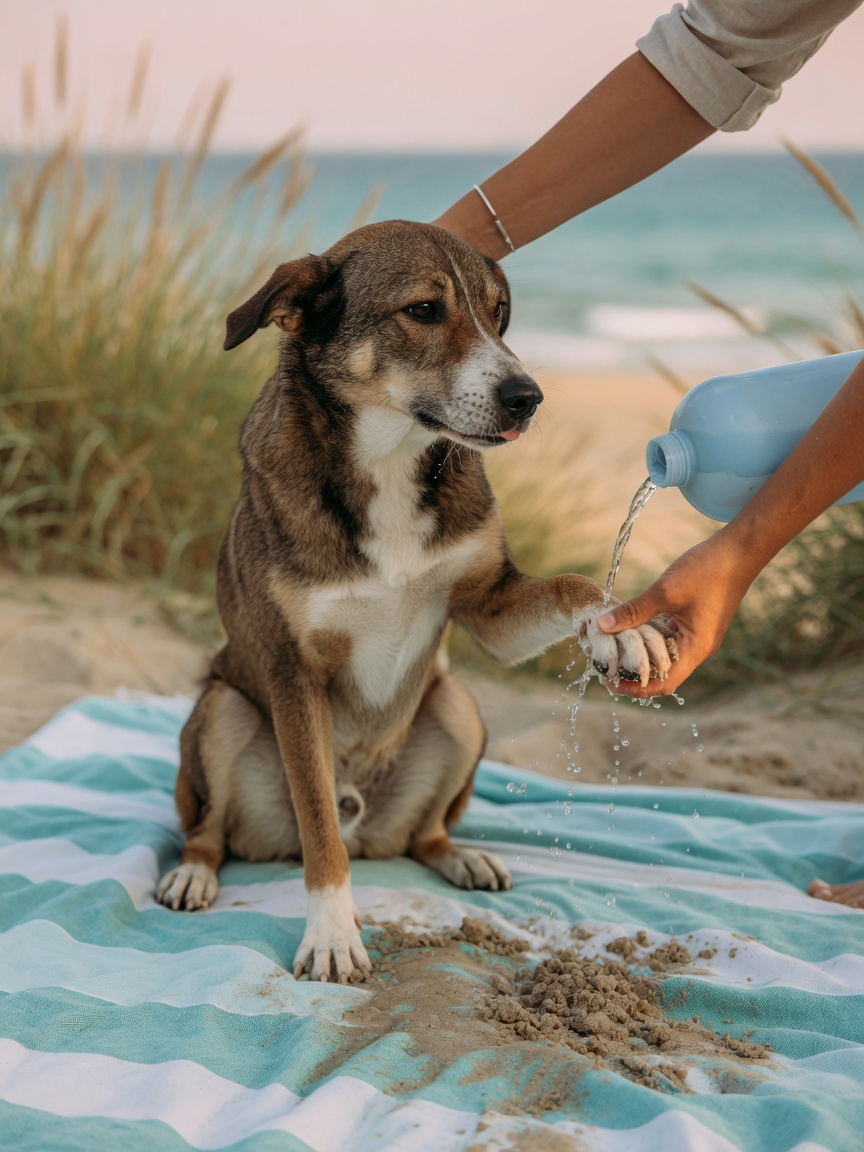
Hot pavements, sand, and increased moisture create specific challenges for canine paws and skin.
- Test hot surfaces with your hand before allowing your dog to walk on them; if it's too hot for your hand, it's too hot for their paws
- Rinse paws after beach visits to remove salt and sand, which can cause irritation between the toes
- Trim overgrown fur between paw pads to prevent matting and infection
- Monitor for increased scratching, redness, or discharge, which may indicate fungal or bacterial infections
- Consider protective paw waxes or booties for extended outdoor activities
Nutrition and Hydration During Summer
Your dog's nutritional needs may shift during warmer months. More active dogs may require additional calories, whilst sedentary dogs might benefit from portion adjustments to prevent weight gain.
Ensure high-quality protein intake to support muscle maintenance, and don't overlook the importance of electrolyte balance. Consider offering dog-safe frozen treats or adding water to their regular food to increase hydration. Always avoid feeding dogs immediately before or after vigorous exercise to prevent gastric distress.
Sun Protection and Seasonal Risks
Whilst dogs have fur coats, this doesn't provide complete sun protection. Dogs with thin or light-coloured coats, those with pink noses or ears, and senior dogs are particularly vulnerable to sunburn and skin damage.
Apply dog-safe sunscreen to exposed areas such as noses, ears, and belly. Limit intense sun exposure during peak hours, and be aware that certain medications can increase photosensitivity. Watch for signs of sunburn including redness, peeling, or blistering.
Exercise and Mental Stimulation
Summer offers fantastic opportunities for enrichment, but exercise must be carefully managed in warm weather. Adjust activity intensity based on temperature, humidity, and your dog's age and fitness level. Indoor games, puzzle feeders, and water-based activities provide excellent alternatives to traditional exercise when heat is extreme.
Key Summer Health Takeaways
- Prioritise hydration and heat management above all else
- Maintain consistent parasite prevention throughout summer
- Monitor paws and skin regularly for signs of irritation or infection
- Schedule regular veterinary check-ups to address any emerging health concerns
- Adjust nutrition and exercise routines to suit warm-weather conditions
By implementing these evidence-based strategies, you'll help ensure your canine partner enjoys a healthy, happy summer whilst minimising the risks associated with the warmer season. Remember, when in doubt, your veterinarian is your best resource for personalised advice tailored to your dog's individual needs.