
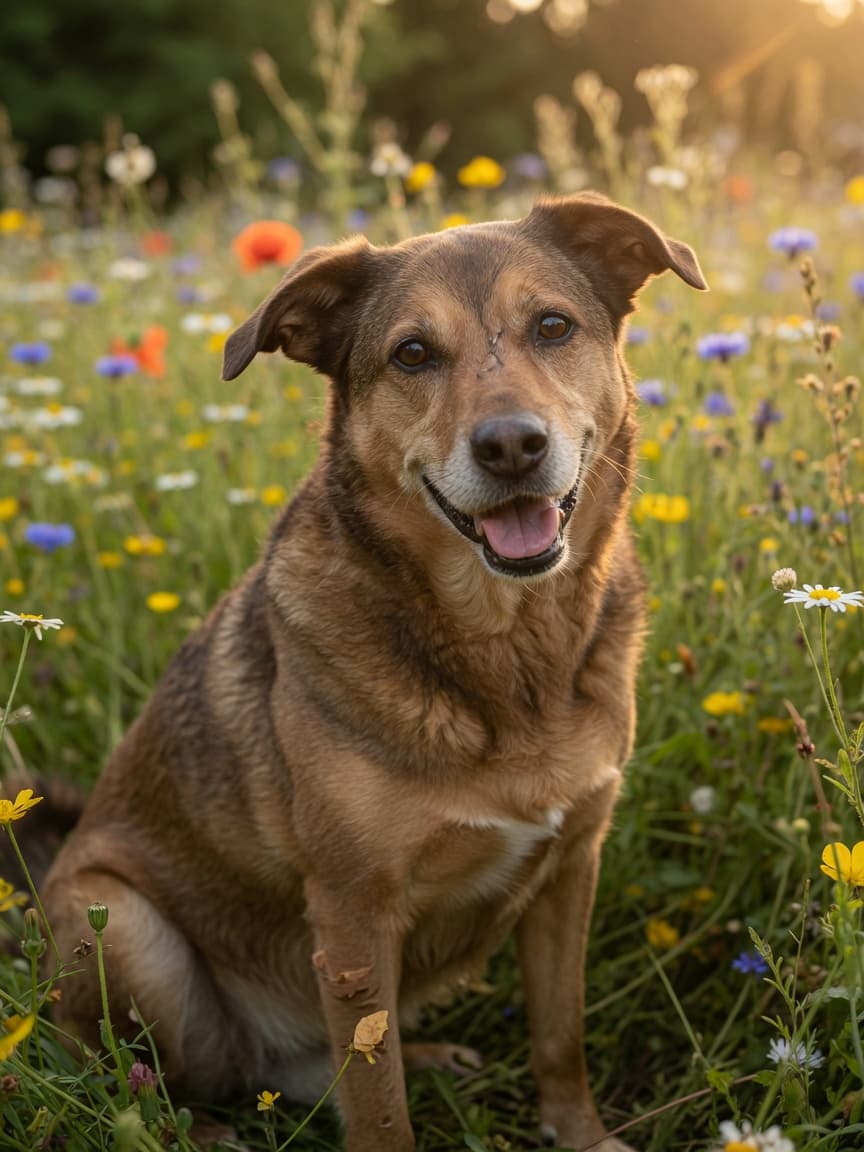
Spring is here, and it's the perfect time to celebrate the extraordinary bonds between dogs and their human partners. As we emerge from winter, our canine companions are ready to embrace longer days, warmer weather, and renewed outdoor adventures. This spring edition highlights the essential health considerations for working dogs, active partners, and beloved family members as they transition into a more energetic season. Whether your dog is a service animal, agility competitor, or simply your daily walking companion, understanding their spring health needs will ensure they thrive throughout the coming months.
Spring Allergies and Seasonal Health Challenges
Spring brings blooming flowers and fresh greenery, but it also introduces seasonal allergens that affect many dogs. Pollen, mould spores, and grass can trigger itching, excessive scratching, and ear infections—particularly common in spring months.
- Watch for persistent scratching, red skin, or inflamed paws
- Keep your dog's bedding clean and wash it regularly in hot water
- Wipe your dog's paws and coat when coming indoors to remove pollen
- Consider regular bathing with veterinary-recommended shampoos during peak pollen season
- Consult your vet if symptoms persist beyond two weeks
If your dog experiences seasonal allergies, your veterinary surgeon can recommend antihistamines or other treatments tailored to their specific needs.
Parasite Prevention in Warmer Weather
As temperatures rise, parasites become increasingly active. Fleas, ticks, and intestinal worms thrive in spring and summer conditions, making prevention crucial for your dog's health.
Spring is the ideal time to review your parasite prevention strategy with your vet. Whether using spot-on treatments, oral medications, or collars, consistent year-round protection is essential. Many veterinary surgeons recommend starting or continuing parasite prevention in March as temperatures warm, rather than waiting until summer.
- Administer flea and tick treatment monthly or as directed
- Use worming treatments every three months for adult dogs
- Check your dog's coat and skin regularly for signs of parasites
- Remove ticks promptly using a tick removal tool
- Avoid walking in long grass during peak tick season if possible
Exercise and Activity Levels During Spring
After the constraints of winter, both you and your dog may be eager to increase activity levels. However, gradual transitions are essential to prevent injury and overexertion.
If your dog has been less active during winter months, build up to longer walks and play sessions gradually over two to three weeks. This allows their muscles, joints, and cardiovascular system to adapt safely. Dogs recovering from injury or those with joint conditions need particularly careful management when increasing activity.
- Increase exercise duration by 10-15% each week
- Provide adequate rest periods between active play sessions
- Ensure fresh water is always available during outdoor activities
- Consider your dog's age and fitness level when planning activities
- Watch for signs of lameness, fatigue, or reluctance to exercise
Hydration and Nutrition for Active Dogs
Spring's warmer temperatures increase your dog's water requirements. Proper hydration supports joint health, digestion, and thermoregulation—particularly important for active canines.
Carry water when on longer walks, and ensure your dog always has access to fresh water at home. During spring activities, monitor your dog's water intake and adjust their diet if activity levels have increased significantly. Dogs engaged in regular training or working duties may benefit from slightly increased calorie intake to maintain ideal body condition.
Key Takeaways for Spring Success
Spring offers wonderful opportunities for health and happiness with your canine partner. Prioritise allergy management, maintain consistent parasite prevention, gradually increase activity levels, and ensure proper hydration and nutrition. Schedule a spring health check-up with your veterinary surgeon to discuss any seasonal concerns specific to your dog's age, breed, and lifestyle. By addressing these essentials now, you're setting the foundation for a healthy, active, and joyful spring and summer with your beloved companion.