
British Shorthair Health Guide: Obesity, Polycystic Kidney Disease and Heart Checks
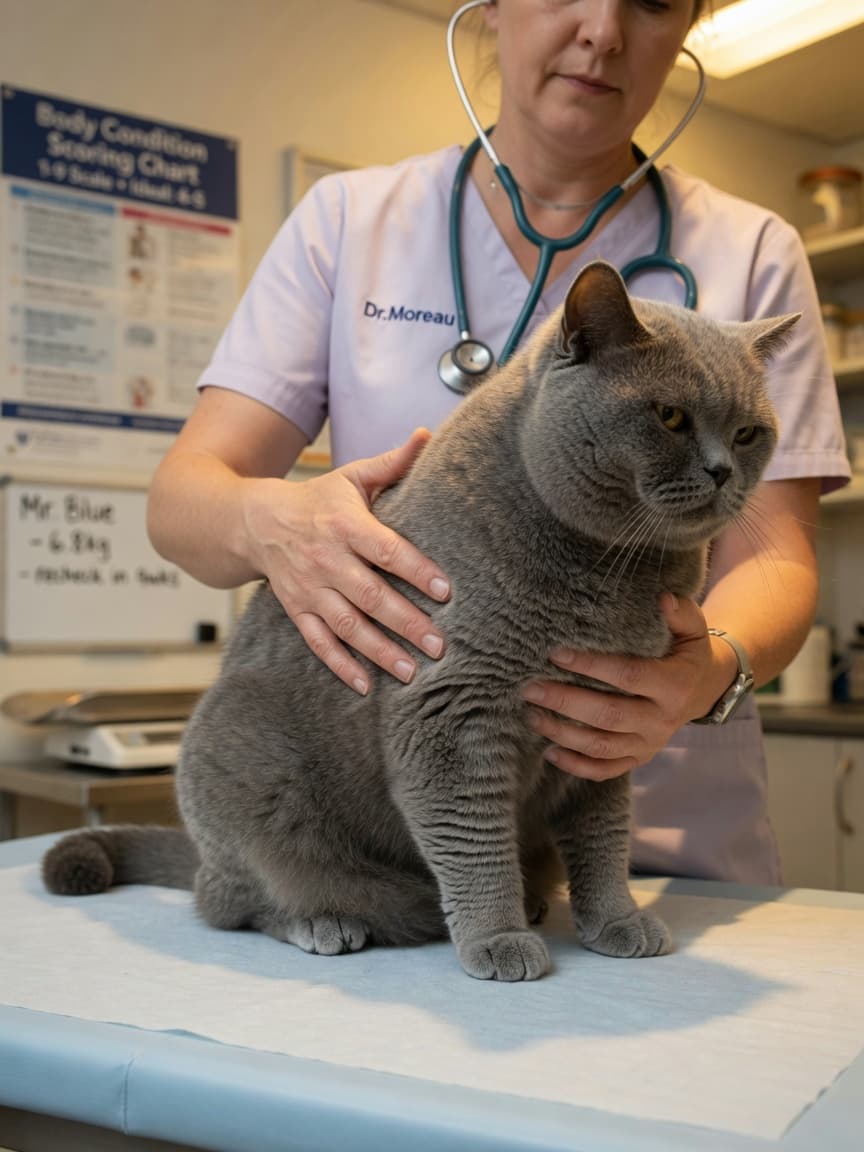
British Shorthairs are one of the most popular cat breeds in the United Kingdom, and it is not difficult to see why. Their round faces, dense plush coats and easygoing temperaments make them excellent companions for families and individuals alike. They tend to be less demanding than many other breeds, content to spend time observing their environment from a comfortable perch rather than constantly seeking interaction. This placid nature, however, contributes directly to one of their most significant health risks: obesity.
Obesity: A Serious and Underestimated Problem
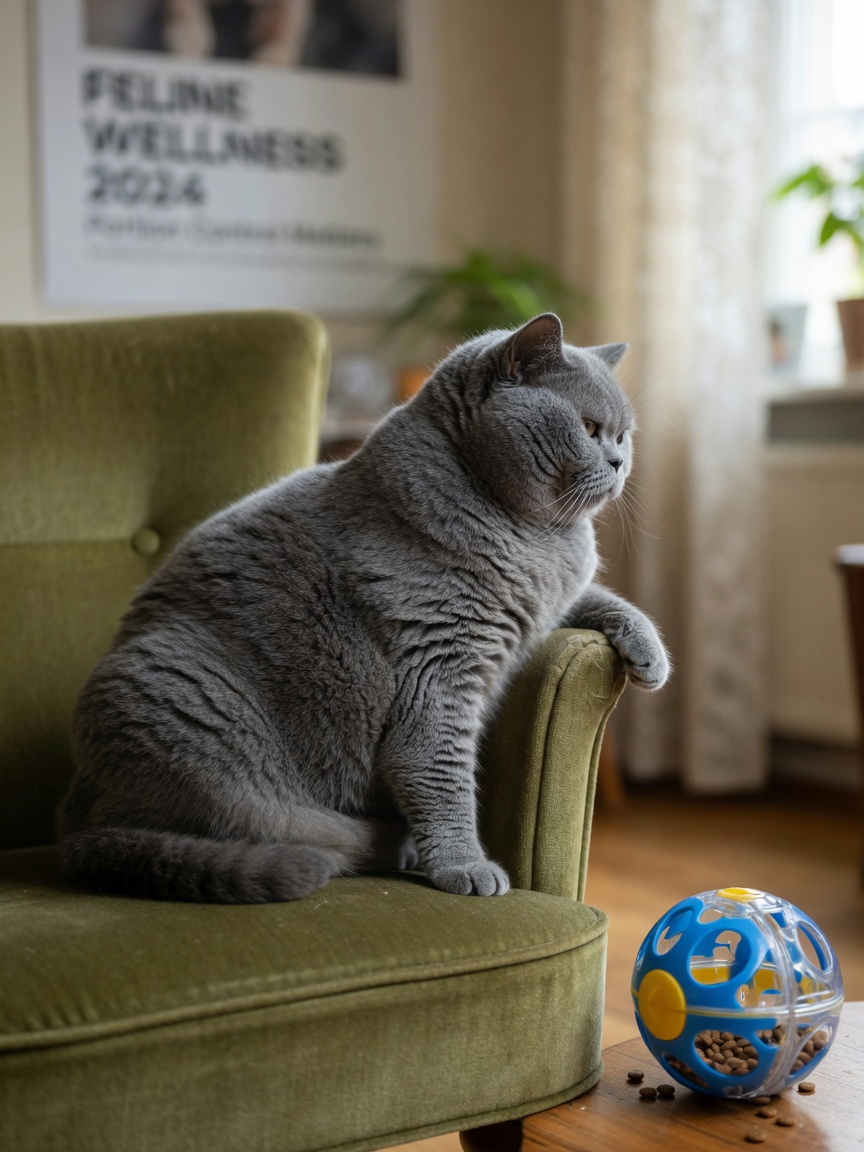
British Shorthairs have a naturally stocky, muscular build that can make it genuinely difficult to assess whether a cat is at a healthy weight simply by looking. Their thick coats add further visual bulk, and many owners are surprised to discover their cat is significantly overweight when assessed by a veterinarian. Studies consistently show that obesity is one of the most common health problems in domestic cats, and British Shorthairs are particularly prone given their sedentary tendencies and enthusiastic approach to food.
Excess body weight places increased strain on the joints and cardiovascular system, and obesity is a significant risk factor for diabetes mellitus, hepatic lipidosis, and exacerbation of any underlying orthopaedic or cardiac conditions. The consequences of chronic obesity are serious and cumulative.
Assessing Your British Shorthair's Weight
- You should be able to feel the ribs easily without pressing hard, but not see them
- There should be a visible waist when viewed from above
- The abdomen should tuck up slightly when viewed from the side
- Ask your vet to assign a body condition score at every visit — this provides an objective measure over time
Managing Weight in a British Shorthair
- Measure food portions precisely rather than free-feeding
- Choose a high-protein, lower-carbohydrate diet to support satiety and lean mass
- Use puzzle feeders to slow eating and encourage mental engagement
- Schedule regular interactive play sessions, even if the cat appears indifferent initially
- Weigh your cat monthly at home or at the veterinary clinic
Weight loss in cats must be gradual. Rapid weight loss can trigger hepatic lipidosis, a potentially fatal liver condition. Any weight management programme should be undertaken with veterinary guidance.
Polycystic Kidney Disease
Polycystic kidney disease (PKD) is a hereditary condition in which fluid-filled cysts develop in the kidneys from birth. These cysts grow over time, progressively replacing functional kidney tissue and eventually leading to chronic kidney disease and kidney failure. In British Shorthairs, PKD is thought to have entered the breeding population through historical crosses with Persians, in whom the condition is also prevalent.
The genetic mutation responsible for the most common form of PKD (PKD1) can be identified through a simple DNA test. Responsible breeders test all breeding cats and will not produce litters where either parent is positive for the mutation. A cat that tests negative will not develop PKD1-associated disease or pass it to offspring.
Monitoring Kidney Health
- Annual blood and urine testing from around seven years of age to detect early changes in kidney function
- Earlier monitoring if your cat has not been DNA tested or if PKD status is unknown
- Abdominal ultrasound can confirm the presence of cysts and assess their size and number
- Increased water intake and a diet lower in phosphorus can slow progression of existing kidney disease
Cats with PKD who are diagnosed early and managed appropriately can remain stable for years. The goal is to preserve as much functional kidney tissue as possible for as long as possible through dietary management, hydration support, and regular monitoring.
Hypertrophic Cardiomyopathy and Cardiac Screening
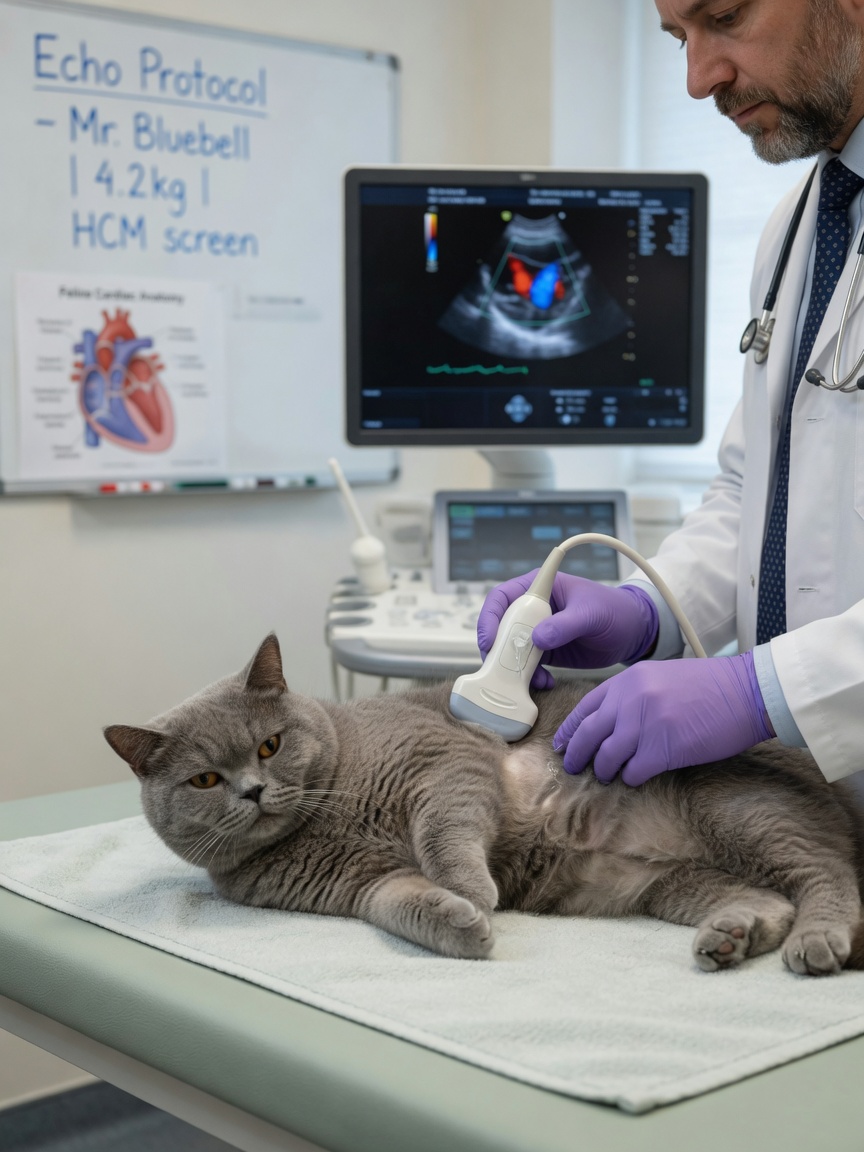
HCM is a concern across many pedigree cat breeds, and British Shorthairs are no exception. The condition causes thickening of the heart muscle, impairing the heart's ability to fill and pump blood effectively. In advanced cases, fluid can accumulate around the lungs (pleural effusion) or within the chest cavity, and blood clots may form and travel to the hind legs, causing sudden paralysis — a condition known as aortic thromboembolism.
Unlike Maine Coons, there is no validated breed-specific genetic test for HCM in British Shorthairs currently available. Screening therefore relies on echocardiography, carried out by a veterinary cardiologist or experienced veterinary practitioner with ultrasound capability. Many breed clubs and health-conscious breeders advocate for regular cardiac screening of breeding animals, with results submitted to open databases to inform breeding decisions.
When to Start Cardiac Checks
- An initial echocardiogram around two years of age establishes a baseline
- Repeat assessments every one to two years thereafter, or annually if any abnormality is detected
- Seek veterinary attention promptly if your cat shows laboured breathing, sudden reluctance to move, or weakness in the hind legs
Dental Health
British Shorthairs, like all cats, are susceptible to periodontal disease and tooth resorption. Their broad faces and well-proportioned jaws do not eliminate this risk. Dental disease progresses silently in many cats until it is causing significant pain and has begun to affect appetite and general condition. Annual dental examinations and dental X-rays where indicated are an important part of overall health maintenance.
Living Well With a British Shorthair
British Shorthairs are adaptable, hardy cats that ask relatively little of their owners in terms of grooming or stimulation compared with more demanding breeds. What they do require is attentive health monitoring, careful dietary management, and regular veterinary care that takes their breed-specific risks seriously.
Choosing a kitten from a breeder who screens for PKD, conducts cardiac checks, and maintains healthy body condition in their breeding cats significantly reduces the likelihood of inherited disease. With the right foundations and ongoing attention, British Shorthairs can be robust, contented companions for fifteen years or more.