ForPetsHealthcare
Dogs

Canine Distemper - Infectious Diseases - Merck Veterinary Manual

By Julia WrenfieldUpdated August 4, 20264 min read
Evidence-based · Sources checked
{"en": "Sick dog showing symptoms of canine distemper with discharge from nose and eyes, illustrating viral infection signs", "es": "Perro enfermo mostrando s\u00edntomas de moquillo canino con secreci\u00f3n nasal y ocular, ilustrando signos de infecci\u00f3n viral", "fr": "Chien malade pr\u00e9sentant des sympt\u00f4mes de la maladie de Carr\u00e9 avec \u00e9coulement nasal et oculaire, illustrant les signes d'infection virale", "de": "Kranker Hund mit Symptomen der Staupe mit Nasen- und Augenausfluss, zeigt Anzeichen einer Virusinfekion", "nl": "Zieke hond met symptomen van hondse ziekte met neus- en ooguitvloeiing, illustrerend virusinfectie tekenen", "pt": "C\u00e3o doente apresentando sintomas de cinomose com secre\u00e7\u00e3o nasal e ocular, ilustrando sinais de infec\u00e7\u00e3o viral", "it": "Cane malato che mostra sintomi di cimurro canino con secrezioni nasali e oculari, illustrando segni di infezione virale"}

Canine distemper is one of the most serious infectious diseases affecting dogs worldwide, yet it remains largely preventable through proper vaccination. This highly contagious viral infection has historically been a leading cause of infectious disease death in unvaccinated dogs, though it's now rare in well-immunised populations across Europe. Understanding the signs, transmission methods, and prevention strategies can help you protect your beloved canine companion from this potentially devastating illness.

What Is Canine Distemper?

Canine distemper is caused by the canine distemper virus (CDV), a highly contagious pathogen related to the measles virus in humans. The disease affects multiple body systems, including the respiratory, gastrointestinal, and nervous systems. CDV spreads through airborne droplets, direct contact with infected dogs, or contaminated objects. Puppies, elderly dogs, and those with compromised immune systems face the highest risk of severe infection.

Clinical Signs and Symptoms

Sick dog displaying symptoms of illness including lethargy, nasal discharge, and inflamed eyes while resting indoors

Symptoms of canine distemper typically appear between 3 to 20 days after exposure, though this can vary. Early recognition is crucial for managing the disease effectively.

  • Respiratory signs: Coughing, sneezing, nasal discharge, and conjunctivitis (inflamed eyes)
  • Gastrointestinal signs: Diarrhoea, vomiting, and loss of appetite
  • Systemic signs: Fever, lethargy, depression, and generalised malaise
  • Neurological signs: Seizures, muscle twitching, incoordination, and paralysis (these indicate advanced disease)
  • Skin involvement: Hardened footpads and nasal hyperkeratosis (thickened nose skin)

Diagnosis and Treatment

Your veterinary surgeon can diagnose canine distemper through clinical examination, blood tests, and PCR (polymerase chain reaction) testing. Unfortunately, there is no cure for CDV—treatment focuses on supportive care whilst the dog's immune system fights the infection. This includes:

  1. Fluid therapy to maintain hydration
  2. Nutritional support and appetite stimulation
  3. Medications to manage secondary infections and symptoms
  4. Seizure management if neurological signs develop
  5. Isolation from other dogs to prevent transmission

Recovery depends on the dog's age, overall health, and immune response. Puppies and very young dogs often have poorer prognoses. Some dogs that survive may experience permanent neurological damage, including chronic seizures.

Prevention Through Vaccination

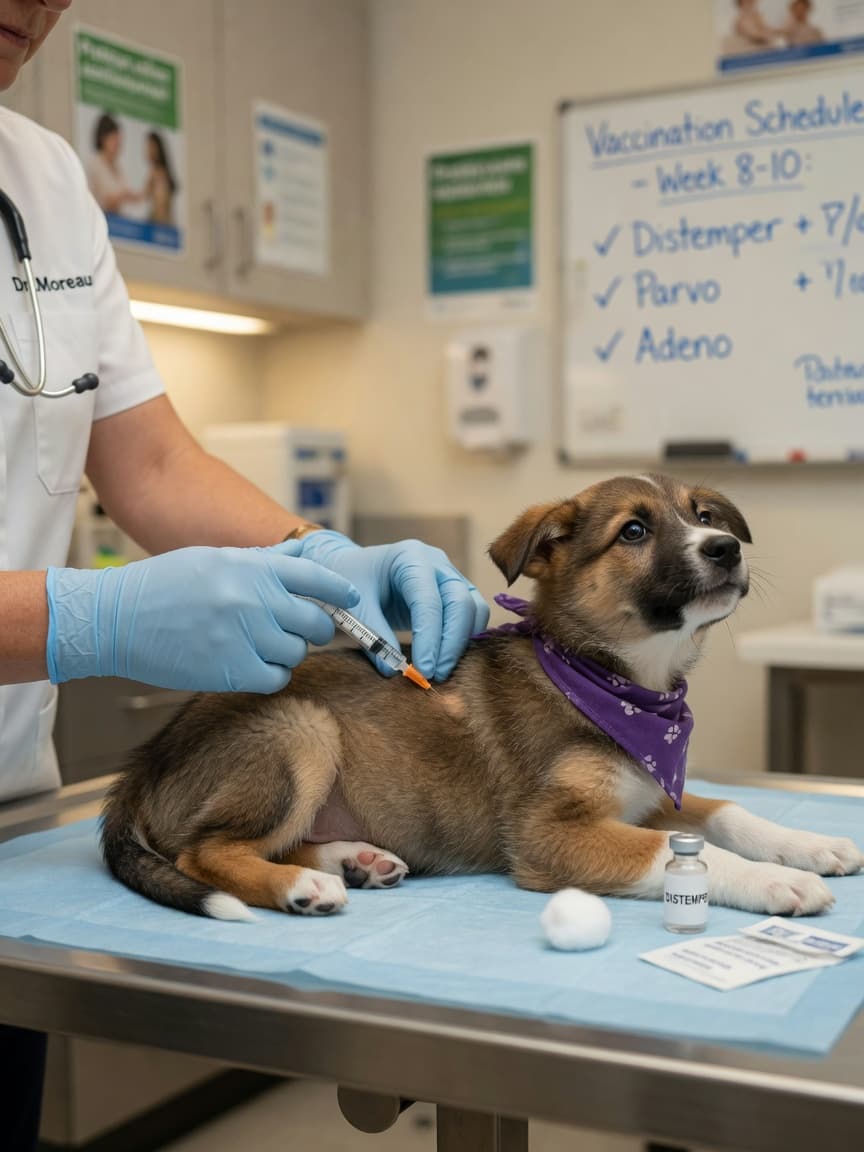
Vaccination is the most effective prevention method. The canine distemper vaccine is included in core vaccination programmes recommended by European veterinary associations. Puppies typically receive a series of vaccinations starting at 6-8 weeks of age, with booster shots at regular intervals. Most adult dogs require booster vaccinations every 1-3 years, depending on the vaccine type and your veterinary surgeon's recommendations.

Managing an Infected Dog
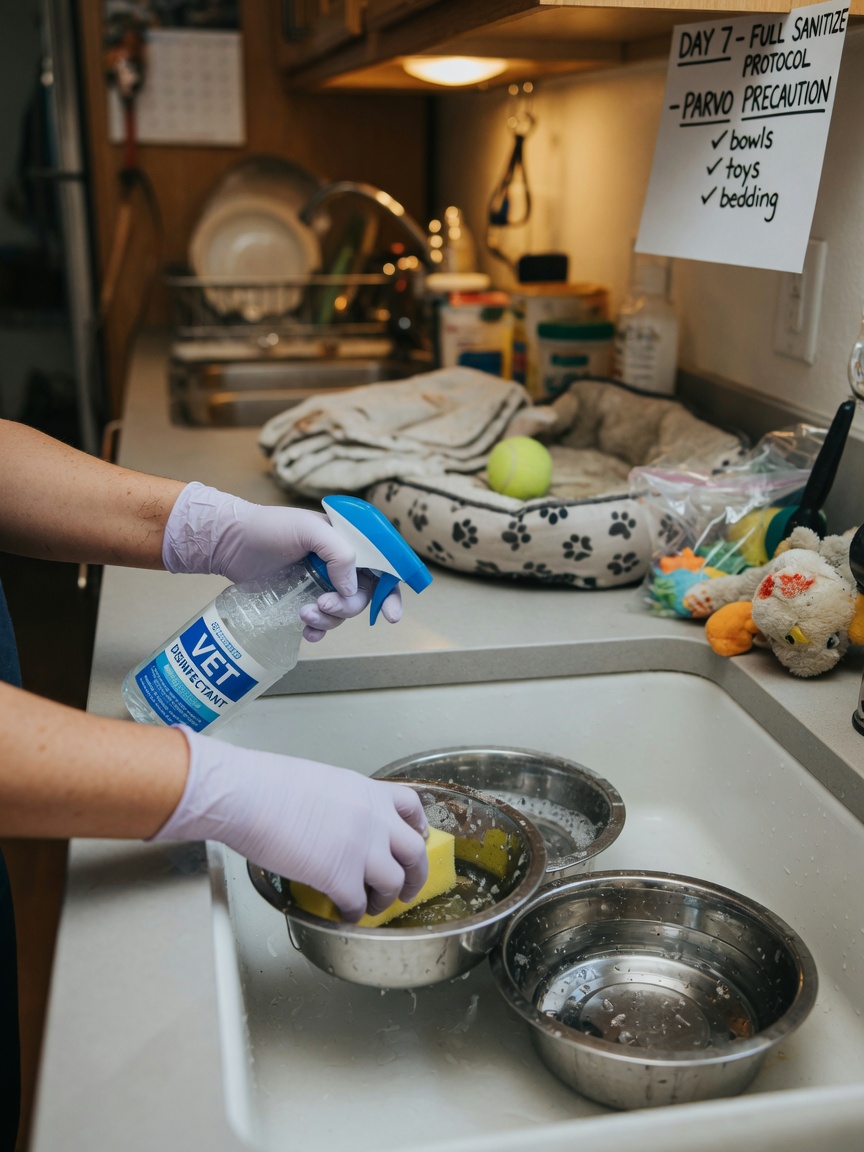
Caregiver disinfecting dog bowls and bedding following strict hygiene protocols to prevent virus transmission

If your dog is diagnosed with distemper, strict isolation is essential. Keep infected dogs separate from other pets, and practice rigorous hygiene protocols when handling them. Disinfect food and water bowls, bedding, and any shared objects with standard disinfectants. Wash your hands thoroughly after contact to avoid spreading the virus to other animals.

Key Takeaways

Canine distemper remains a serious threat to unvaccinated dogs, but it's entirely preventable. Ensure your puppy completes the full vaccination series and maintains regular boosters as recommended by your veterinary surgeon. If you suspect your dog has been exposed to distemper or shows symptoms, contact your vet immediately. Prevention through vaccination is far superior to attempting to manage active infection, which carries no guaranteed cure and significant risk of permanent complications or death. By staying current with vaccinations and practising good hygiene, you can protect your dog from this devastating disease.

#canine distemper infectious diseases merck veterinary manual#forpetshealthcare

Sources & further reading

This article is based on peer-reviewed veterinary research and reputable animal-health sources. Explore the underlying science in our Research Library.

Related articles

The 19 Best Animal Shelters in the Netherlands (2026)

the Netherlands's animal shelters, rescue associations and refuges save thousands of dogs, cats and other animals every year, almost always on tiny budgets and volunteer power. To build the most objective ranking possible, we analysed public Google reviews across more than 56 registered animal-prote…

Read more →

The 25 Best Animal Shelters in Italy (2026)

Italy's animal shelters, rescue associations and refuges save thousands of dogs, cats and other animals every year, almost always on tiny budgets and volunteer power. To build the most objective ranking possible, we analysed public Google reviews across more than 121 registered animal-protection org…

Read more →

The 48 Best Animal Shelters in Germany (2026)

Germany's animal shelters, rescue associations and refuges save thousands of dogs, cats and other animals every year, almost always on tiny budgets and volunteer power. To build the most objective ranking possible, we analysed public Google reviews across more than 152 registered animal-protection o…

Read more →

The 32 Best Animal Shelters in France (2026)

France's animal shelters, rescue associations and refuges save thousands of dogs, cats and other animals every year, almost always on tiny budgets and volunteer power. To build the most objective ranking possible, we analysed public Google reviews across more than 89 registered animal-protection org…

Read more →

The 8 Best Animal Shelters in Portugal (2026)

Portugal's animal shelters, rescue associations and municipal centros de recolha save thousands of dogs, cats and other animals every year, almost always on tiny budgets and volunteer power. To build the most objective ranking possible, we analysed public Google reviews across more than 86 registere…

Read more →

Sphynx Cat Skin care and hygiene: Causes, Signs & Care

Sphynx cats have little to no coat, which means the skin itself takes on jobs that fur normally does — insulation, oil dispersal, and barrier protection — leaving it prone to greasiness, blocked pores, fungal infections, and sunburn. The single most important thing to know is that a Sphynx's skin ne…

Read more →
Disclaimer:This article is for informational purposes only and does not constitute veterinary advice. Always consult a qualified veterinarian for your pet's health concerns.

Free newsletter

Pet health tips, straight to your inbox

Weekly science-backed advice for dog & cat owners. No spam, unsubscribe anytime.