
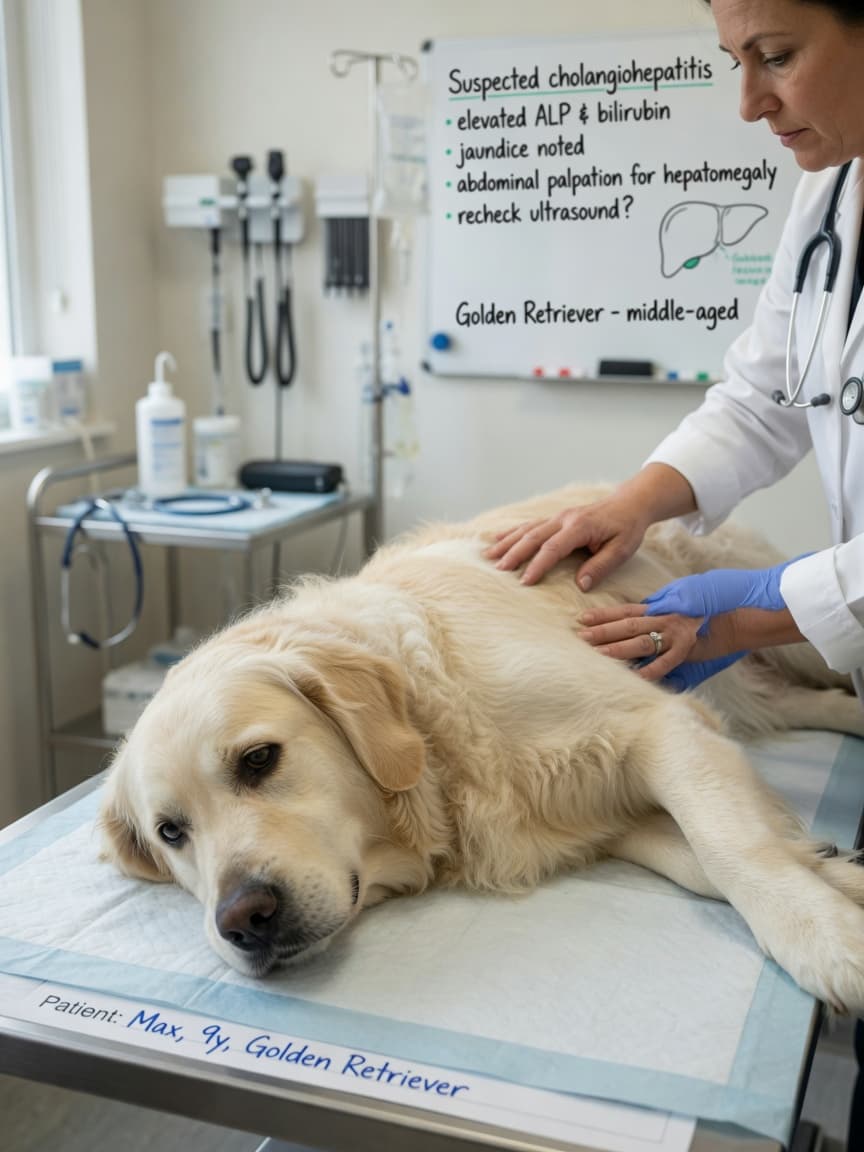
Cholangiohepatitis is a serious yet often overlooked condition affecting your dog's liver and bile duct system. This inflammatory disease occurs when the bile ducts and liver tissue become infected or inflamed, compromising your dog's ability to digest fats and eliminate toxins effectively. Understanding this condition is crucial for early detection and successful management, particularly since symptoms can mimic other digestive disorders. If you've noticed your dog experiencing persistent digestive issues, yellowing of the eyes, or unusual lethargy, cholangiohepatitis could be the underlying cause.
What Is Cholangiohepatitis?
Cholangiohepatitis is characterised by inflammation of the bile ducts (cholangitis) alongside liver inflammation (hepatitis). The condition can develop as a primary disease or secondary to other health problems such as pancreatitis, intestinal parasites, or bacterial infections. The bile ducts become blocked or inflamed, preventing proper bile flow and allowing bacteria to proliferate within the liver and biliary system. This creates a vicious cycle of inflammation and infection that worsens without intervention.
Recognising the Signs in Your Dog
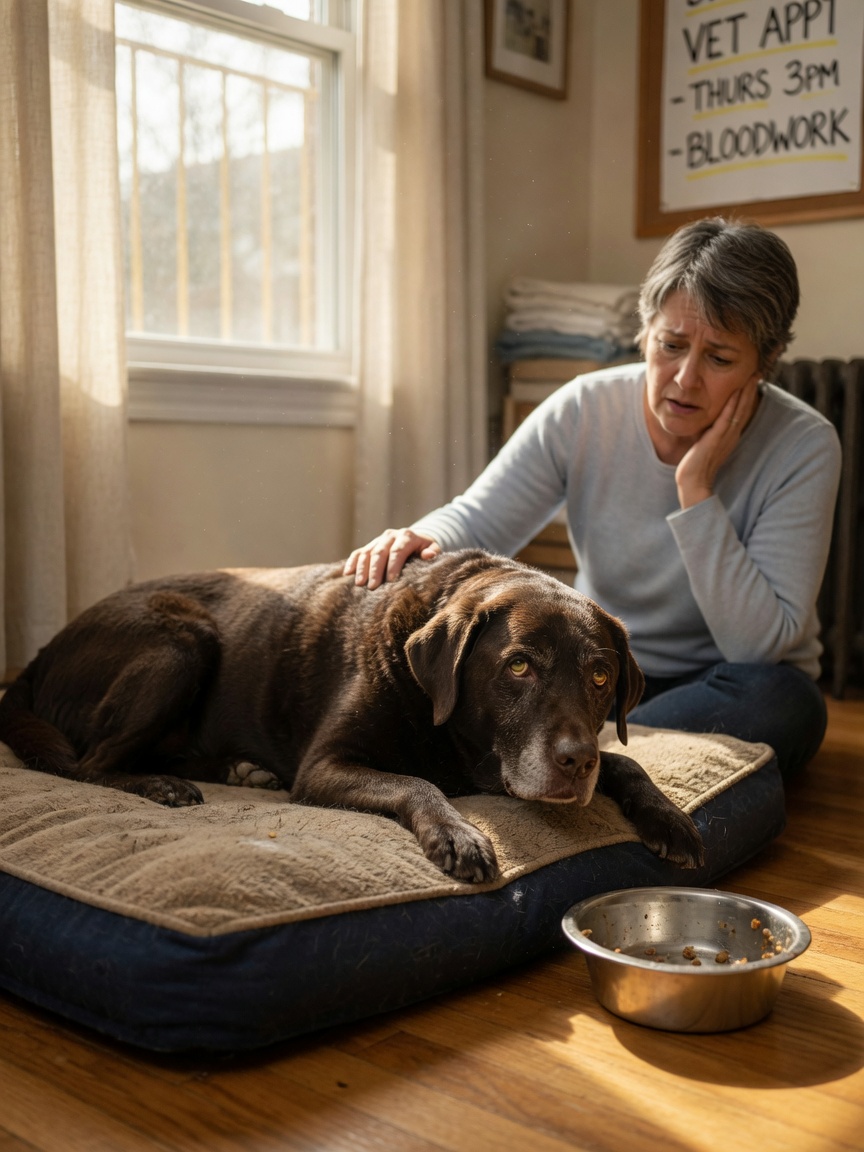
The symptoms of canine cholangiohepatitis can develop gradually, making early recognition challenging. Watch for these key indicators:
- Jaundice (yellowing of the eyes, gums, and ears)
- Persistent vomiting and loss of appetite
- Abdominal pain or tenderness
- Diarrhoea or pale-coloured stools
- Lethargy and general weakness
- Weight loss despite normal feeding
- Fever in acute cases
- Dark or tea-coloured urine
Senior dogs and certain breeds appear more susceptible to developing this condition, though it can affect dogs of any age.
Diagnosis and Veterinary Assessment
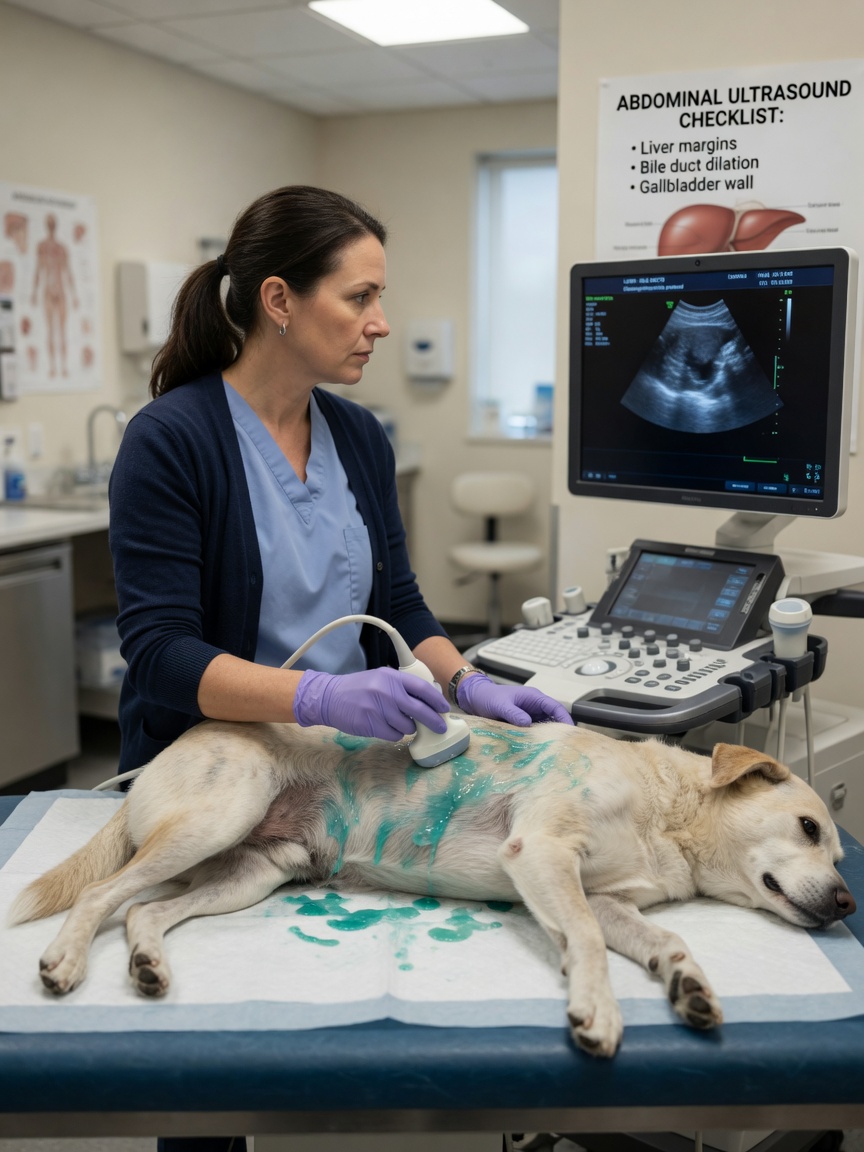
Your veterinarian will perform a comprehensive evaluation to diagnose cholangiohepatitis. Diagnostic tools typically include:
- Blood tests: Elevated liver enzymes, bilirubin levels, and white blood cell counts indicate hepatic inflammation
- Ultrasound imaging: Visualises the bile ducts, liver structure, and identifies thickening or blockages
- Abdominal radiographs: Assess overall organ positioning and identify any complications
- Bile acid testing: Measures liver function capacity
- Bacterial culture: May be performed during procedures to identify specific infections
In some cases, your vet may recommend additional procedures such as endoscopic retrograde cholangiopancreatography (ERCP) to visualise the bile duct system directly.
Treatment Options and Management
Treatment depends on the severity and underlying cause of your dog's cholangiohepatitis. Management strategies include:
- Antibiotics: Essential for treating or preventing bacterial infections within the bile ducts
- Dietary modification: Low-fat diets reduce strain on the hepatic system and improve digestion
- Hepatic support: Supplements containing milk thistle, SAMe, and ursodeoxycholic acid support liver function
- Fluid therapy: Intravenous fluids address dehydration and support organ function
- Surgical intervention: May be necessary if bile ducts are severely obstructed
- Pain management: Appropriate analgesia ensures comfort during recovery
Long-Term Care and Prevention
Once diagnosed, your dog will require ongoing monitoring and supportive care. Regular blood work every 4-8 weeks helps assess treatment effectiveness. Maintain a consistent feeding schedule with prescribed low-fat meals, ensure adequate hydration, and administer medications precisely as directed. Prevent related conditions by keeping your dog up to date with parasite prevention and maintaining a healthy weight. Address pancreatitis or other concurrent conditions promptly to prevent recurrence.
Key Takeaways
Cholangiohepatitis requires prompt veterinary attention and dedicated long-term management. Early detection significantly improves outcomes, so don't dismiss persistent digestive symptoms or jaundice as minor concerns. Work closely with your veterinarian to establish an appropriate treatment plan, monitor your dog's progress through regular check-ups, and maintain dietary and medication compliance. With proper care, many dogs with cholangiohepatitis achieve stabilisation and enjoy a good quality of life for years to come.