
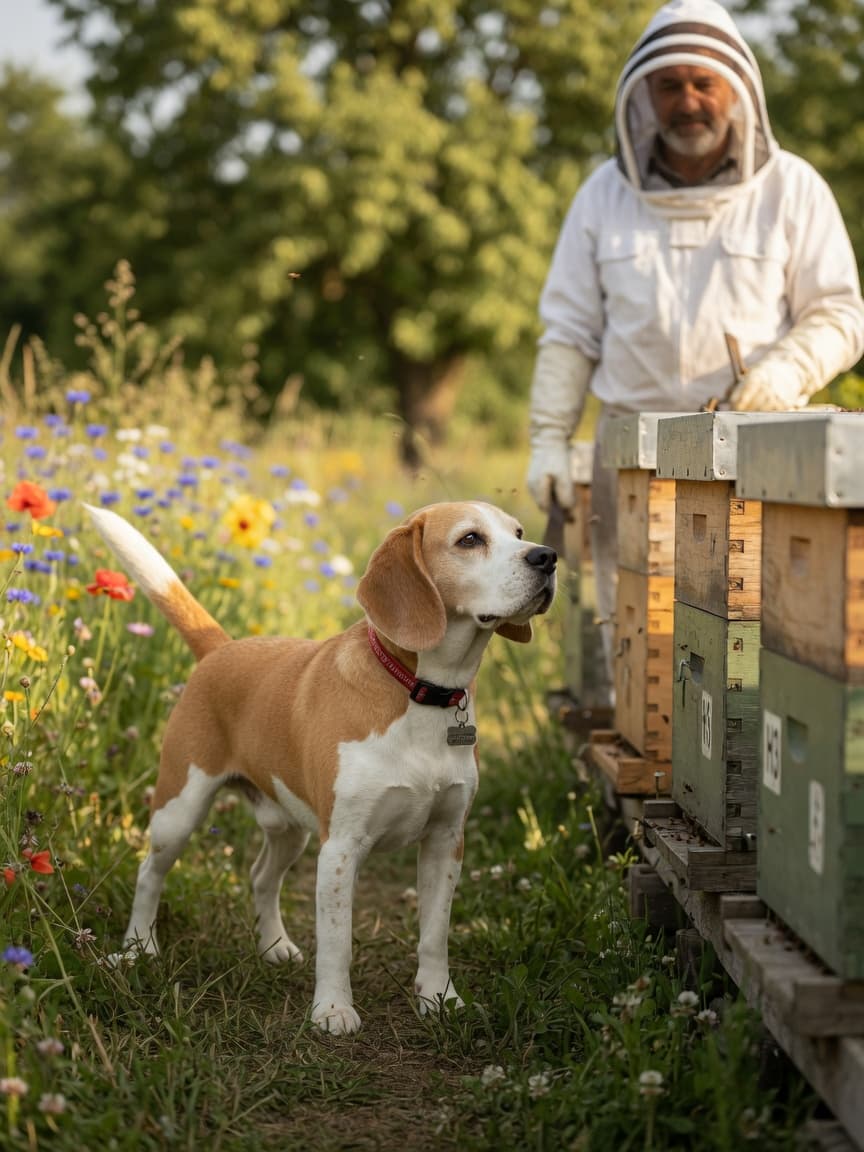
When the American Kennel Club featured a remarkable story about trained beagles working as bee inspectors across American apiaries, it highlighted an often-overlooked aspect of canine capability: the remarkable application of dogs' exceptional olfactory senses in agricultural settings. These four-legged inspectors represent a fascinating intersection of dog training, scientific advancement, and practical pest management. Understanding how dogs contribute to bee health not only showcases their incredible abilities but also demonstrates the importance of mental stimulation and purposeful work for our canine companions.
The Science Behind Canine Detection Abilities
Dogs possess approximately 300 million olfactory receptors in their noses, compared to just 6 million in humans. This extraordinary sensory capability makes them uniquely suited for detection work far beyond what traditional methods can achieve. The beagles trained as bee inspectors can identify the scent of specific bee diseases and pests, such as American foulbrood—a devastating bacterial infection affecting honeybee larvae—from distances and concentrations that human inspectors simply cannot detect.
The canine vomeronasal organ, also called the Jacobson's organ, provides an additional layer of olfactory perception. This specialised sensory structure allows dogs to process chemical information in ways that enhance their ability to discriminate between subtle scent variations, making them invaluable in agricultural health monitoring.
Training Beagles for Agricultural Work
Beagles were specifically chosen for this inspection role due to several practical advantages:
- Their moderate size allows easier handling and transport between apiaries
- Their naturally keen sense of smell and hunting instinct make them naturally motivated for detection work
- Their friendly temperament makes them suitable for working in agricultural environments with beekeepers
- Their intelligence and food motivation make them highly trainable for specific scent recognition
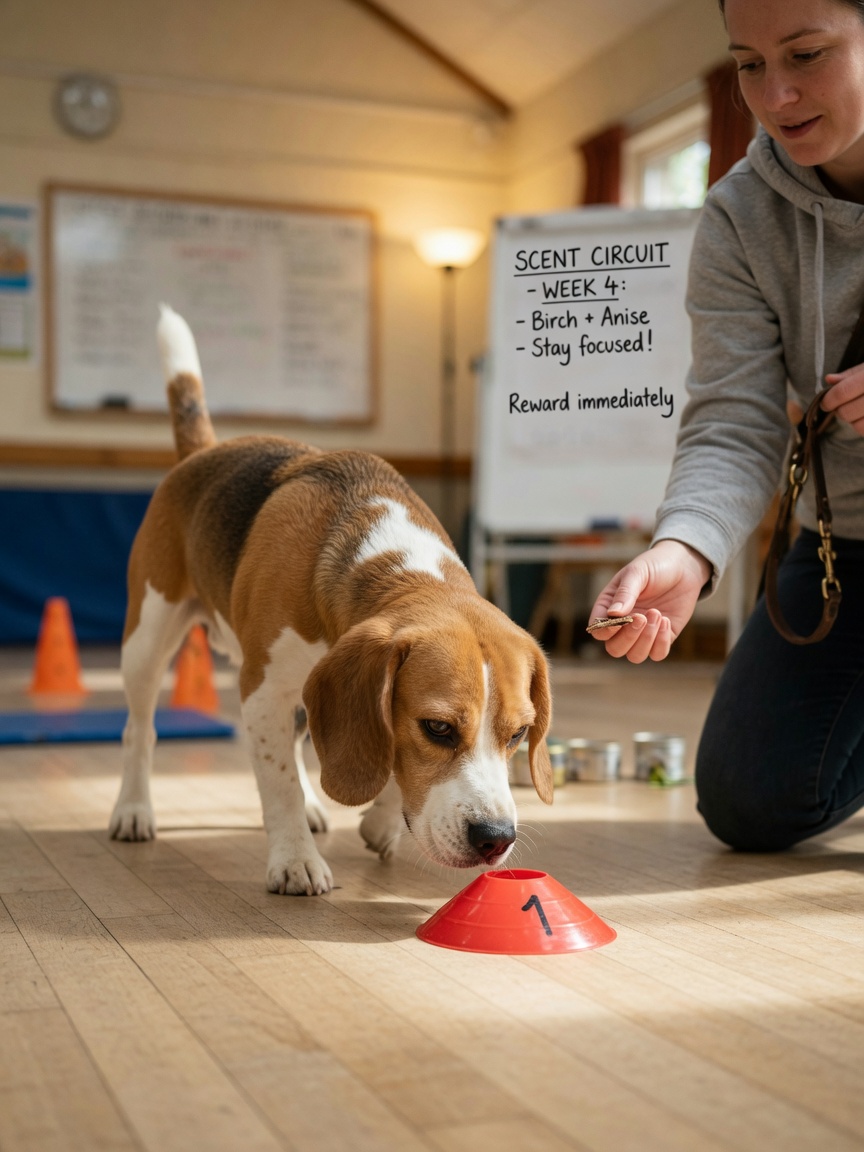
Training these canine inspectors involves classical conditioning techniques where dogs learn to identify target odours through positive reinforcement. Handlers reward dogs when they correctly identify the scent of diseased bee colonies, gradually building reliable detection responses that can be deployed in field conditions.
Benefits for Bee Health and Beekeeping
Early detection of bee diseases through canine inspection offers significant advantages for the beekeeping community:
- Rapid identification of infected colonies before disease spreads to neighbouring hives
- Prevention of economic losses resulting from colony collapse or reduced honey production
- Reduction in unnecessary antibiotic use by targeting treatment to confirmed cases
- Support for honeybee conservation efforts crucial for pollination and food production
Mental Enrichment and Purpose for Pet Dogs
Whilst most pet beagles won't become bee inspectors, this application underscores an important principle in canine wellbeing: dogs thrive when given meaningful work and mental stimulation. Pet owners should consider how to incorporate purposeful activities into their dogs' daily routines. Even domestic beagles benefit from scent work games, nose work training classes, and problem-solving activities that engage their natural detection instincts.
How Pet Owners Can Support Canine Abilities
Whether your beagle is a pet or a working dog, you can enhance their quality of life through:
- Providing daily opportunities for scent-based games and exploration
- Enrolling in nose work or detection training classes with professional instructors
- Creating enrichment activities that tap into their natural hunting and tracking instincts
- Ensuring adequate exercise combined with mental stimulation for optimal wellbeing
Key Takeaways
The story of canine bee inspectors demonstrates the extraordinary potential of our dogs when their innate abilities are properly channelled. These working beagles represent the pinnacle of human-canine collaboration in agriculture whilst reminding us that all dogs—whether working or purely companionable—benefit tremendously from activities that engage their remarkable senses. By understanding and appreciating these natural capabilities, we can provide our canine companions with more fulfilling, purposeful lives.