
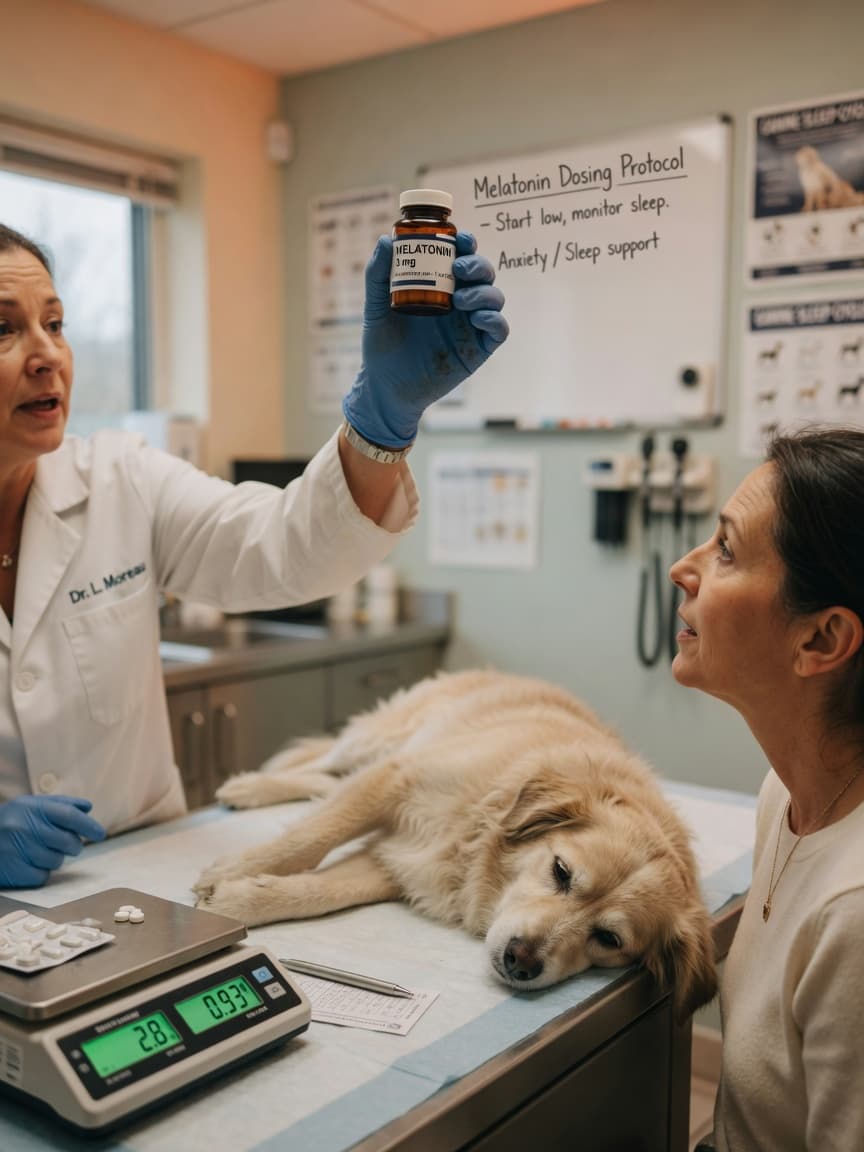
Melatonin has become increasingly popular amongst pet owners seeking natural solutions for canine anxiety, sleep issues, and even seasonal allergies. Yet with growing accessibility comes a crucial question: can dogs overdose on melatonin, and what constitutes a safe dose? Understanding the facts behind this supplement is essential for protecting your furry friend whilst making informed health decisions.
Understanding Melatonin and Canine Safety
Melatonin is a naturally occurring hormone that regulates sleep-wake cycles in both humans and dogs. When administered as a supplement, it's generally considered safe for canine use at appropriate doses. However, "safe" doesn't mean risk-free, and overdosing is absolutely possible.
The good news is that true melatonin toxicity in dogs is rare. Unlike some supplements, melatonin doesn't accumulate dangerously in the body, and dogs have a relatively high tolerance threshold. However, this doesn't mean you should disregard dosing guidelines.
What Constitutes a Safe Dose?
Veterinary guidance typically recommends the following dosing ranges:
- Small dogs (under 10kg): 1-3mg per dose
- Medium dogs (10-25kg): 3-5mg per dose
- Large dogs (25kg and above): 5-10mg per dose
- Frequency: typically once daily, usually given 30 minutes before bedtime
These recommendations are based on clinical experience and safety studies, though it's important to note that individual tolerance varies considerably. Age, health status, and concurrent medications all influence how your dog metabolises melatonin.
Signs of Melatonin Overdose in Dogs
Whilst severe toxicity is uncommon, excessive melatonin consumption can produce adverse effects. Watch for these warning signs:
- Excessive drowsiness or lethargy lasting beyond the intended sleep period
- Digestive upset, including vomiting or diarrhoea
- Headaches (evidenced by sensitivity to touch or unusual behaviour)
- Rapid heartbeat or chest discomfort
- Confusion or disorientation
- Itching or skin reactions
If you notice any of these symptoms after administering melatonin, contact your veterinarian immediately. Severity typically correlates with the amount ingested and your dog's individual sensitivity.
Important Considerations Before Supplementing
Before giving your dog melatonin, several factors warrant careful consideration:
- Veterinary approval: Always consult your vet before introducing any supplement. Melatonin can interact with certain medications or worsen specific health conditions.
- Underlying causes: Sleep disturbances or anxiety may indicate medical problems requiring professional diagnosis rather than symptomatic treatment.
- Product quality: Some melatonin supplements contain xylitol, an artificial sweetener that's toxic to dogs. Always check ingredient lists carefully.
- Dosage accuracy: Use products specifically formulated for dogs, which often provide more accurate dosing than human supplements.
Safe Administration Practices
If your veterinarian approves melatonin for your dog, follow these best practices:
- Start with the lowest recommended dose and observe your dog's response
- Keep a record of doses and any effects observed
- Never exceed 10mg per dose without explicit veterinary guidance
- Administer at consistent times each day if using regularly
- Store melatonin in a secure location away from your dog's reach
- Review usage periodically with your vet to ensure continued appropriateness
Key Takeaways
Melatonin can be a useful tool for managing canine sleep issues and anxiety when used responsibly. True overdose toxicity is uncommon, but excessive doses can cause unpleasant side effects. The safest approach involves consulting your veterinarian first, starting with conservative doses, and monitoring your dog's response carefully. Remember, melatonin addresses symptoms rather than underlying causes—professional veterinary guidance ensures you're treating the whole picture, not just the obvious signs.