
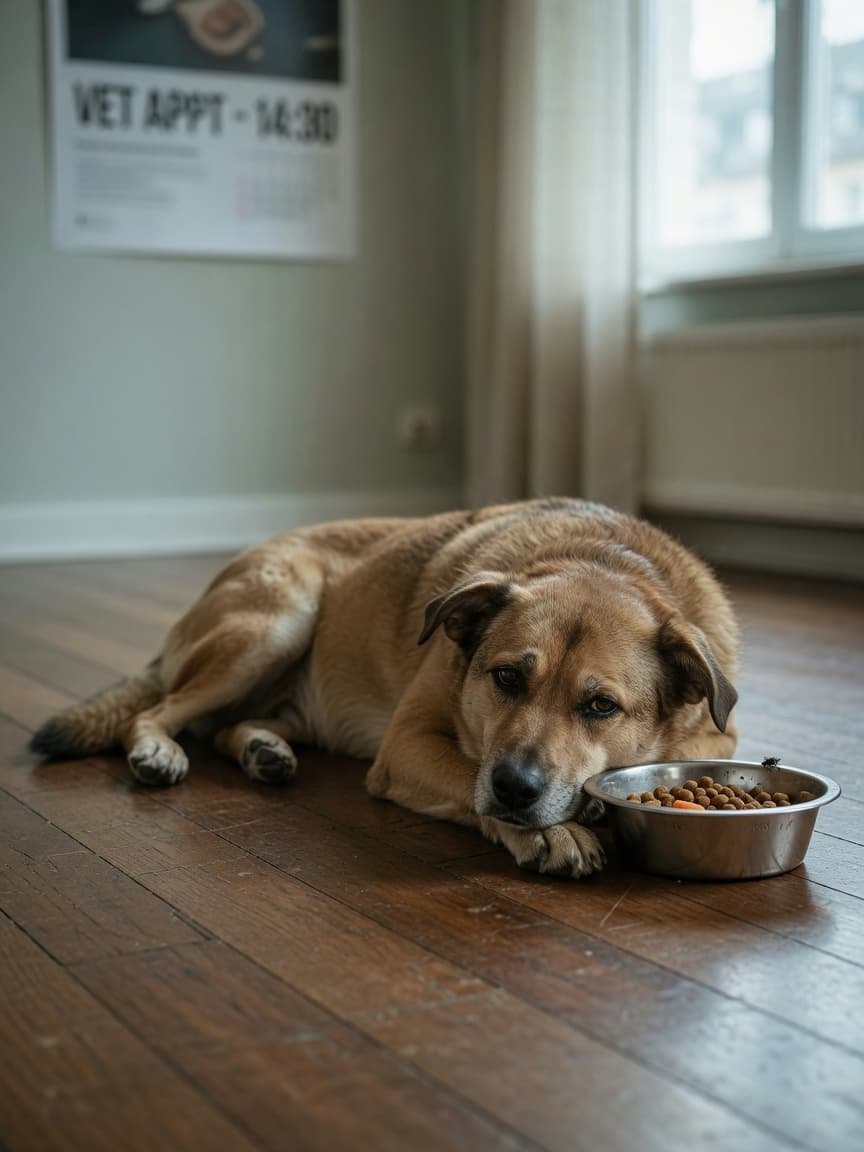
Dogs are deeply emotional creatures, and just like humans, they can experience periods of sadness and depression. Whether triggered by a major life change, loss, or underlying health issues, canine depression is a real concern that deserves attention from pet owners. Recognising the signs early can help you support your dog through difficult times and determine whether veterinary intervention is needed. In this guide, we'll explore the key indicators of depression in dogs and what you can do to help your beloved companion feel better.
Understanding Canine Depression
Depression in dogs isn't simply about having a bad day. It's a genuine emotional state that affects behaviour, appetite, and overall well-being. Dogs can become depressed following significant life changes such as moving house, the loss of a companion (human or animal), changes in their routine, or lack of stimulation. Additionally, underlying medical conditions can manifest as depression-like symptoms, which is why professional assessment is crucial.
Key Signs Your Dog Might Be Depressed
- Loss of Interest in Activities: Your dog no longer wants to play, go for walks, or engage in previously enjoyed games. This is often one of the first warning signs.
- Changes in Appetite: Depression can cause either increased or decreased food intake. Some dogs lose interest in meals entirely, whilst others comfort eat.
- Excessive Sleeping: A depressed dog may sleep more than usual or seem lethargic throughout the day, even when there's opportunity for activity.
- Withdrawn Behaviour: Your dog might hide away, avoid social interaction, or show little enthusiasm when you come home—a stark contrast to their normal personality.
- Changes in Bathroom Habits: Depression can lead to irregular toileting patterns, including house soiling or reluctance to go outside.
- Destructive Behaviour: Some depressed dogs may chew excessively, dig, or cause damage when left alone.
- Vocalisation Changes: Unusual whining, howling, or unusual quietness can indicate emotional distress.
- Lack of Grooming: A depressed dog may neglect self-grooming, resulting in a matted or unkempt coat.
Common Triggers for Canine Depression
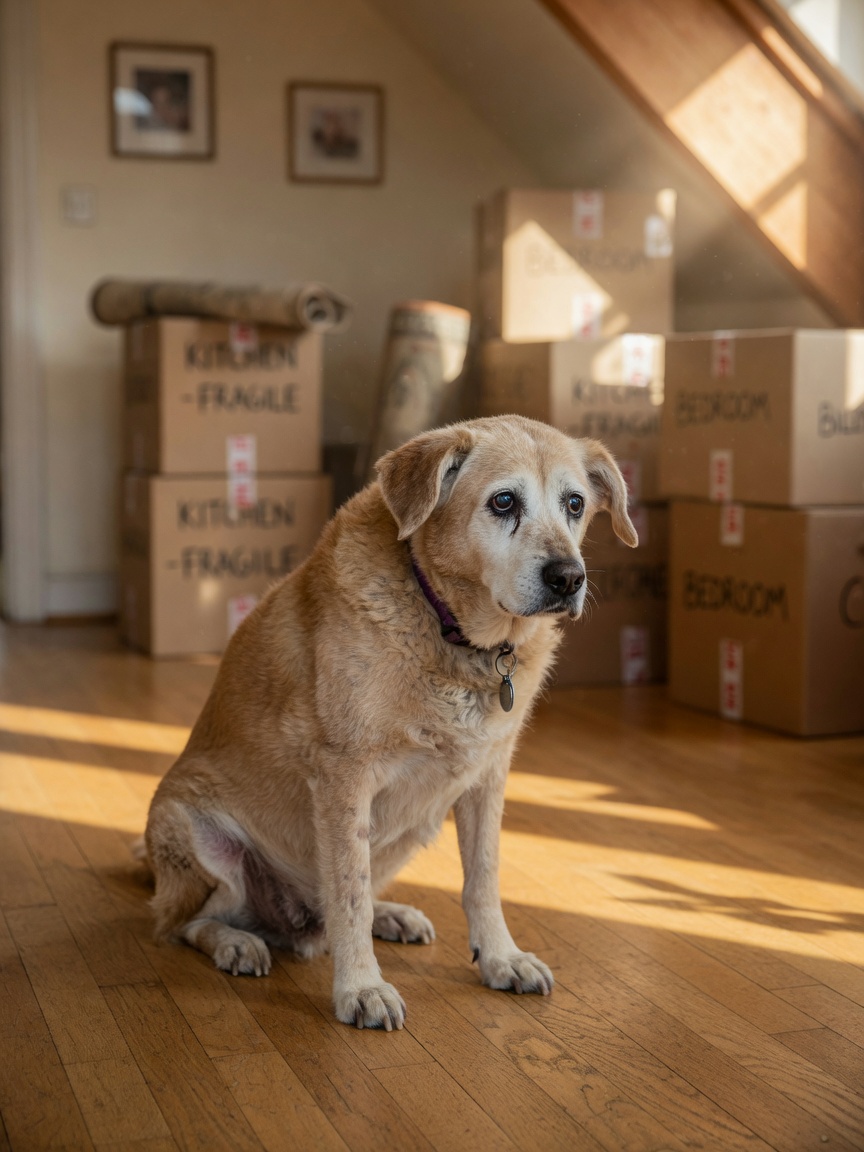
Understanding what might have triggered your dog's depression can help you address the root cause. Common triggers include:
- Loss of a family member or companion animal
- Moving house or environmental changes
- Changes in routine or schedule disruptions
- Lack of physical exercise or mental stimulation
- Chronic pain or illness
- Separation anxiety when owners are away
- Traumatic experiences or significant stress
When to Consult Your Veterinarian
If you notice depression-like symptoms lasting more than a few days, it's essential to schedule a veterinary appointment. Your vet can rule out underlying medical conditions such as thyroid problems, dental disease, arthritis, or nutritional deficiencies that might mimic depression. They can also provide professional guidance on whether your dog would benefit from additional support, such as environmental enrichment or, in some cases, medication.
Helping Your Depressed Dog Feel Better
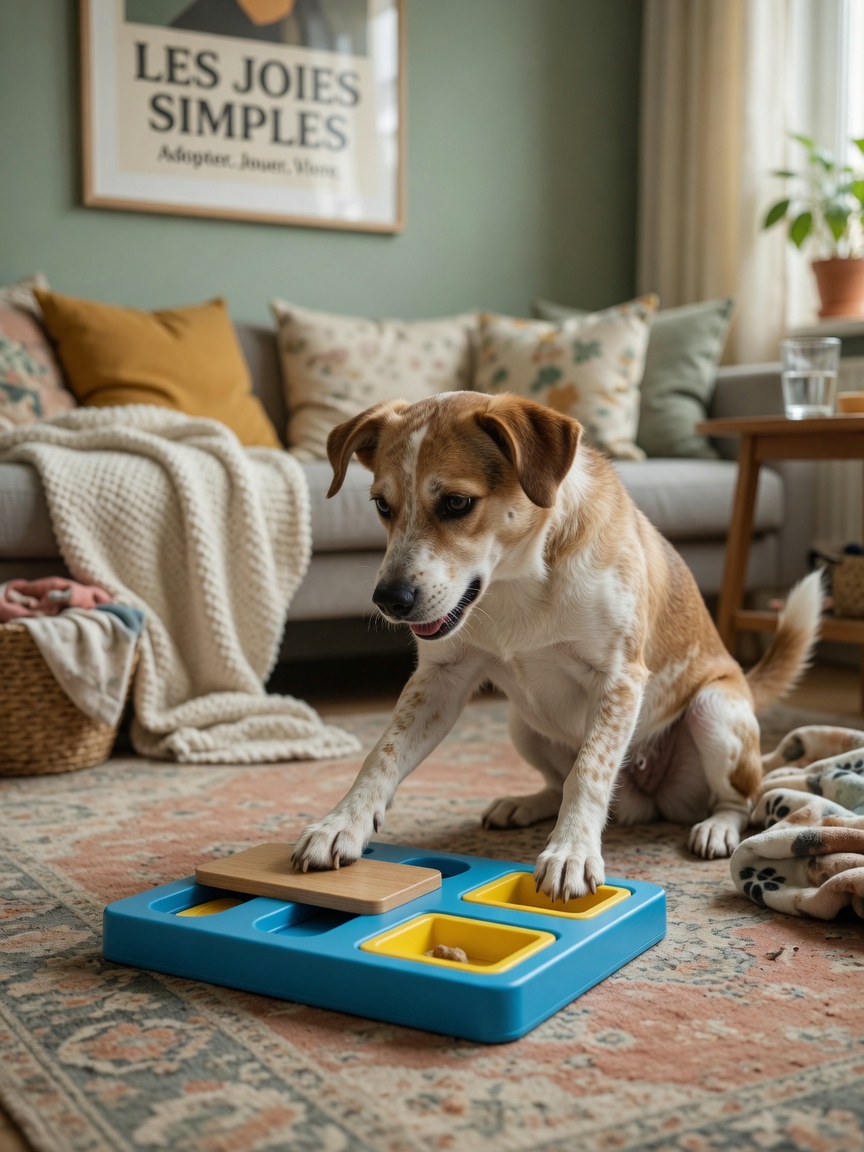
Once medical causes have been ruled out, focus on these evidence-based strategies:
- Increase Physical Activity: Regular, appropriate exercise helps lift mood and promotes physical health. Start gently if your dog hasn't been active.
- Provide Mental Stimulation: Puzzle toys, sniffing games, and training sessions engage the mind and provide purpose.
- Maintain Routine: Dogs thrive on predictability. Establish consistent meal times, walk times, and play sessions.
- Offer Social Connection: Spend quality time with your dog, offer gentle comfort, and consider playdates if appropriate.
- Create a Safe Space: Ensure your dog has a comfortable, quiet area where they can retreat when feeling overwhelmed.
Key Takeaways
Depression in dogs is a treatable condition, but it requires your attention and care. Watch for sudden changes in behaviour, appetite, or activity levels, and don't hesitate to contact your veterinarian if you're concerned. By combining professional guidance with patience, love, and environmental support, most dogs recover well and return to their joyful, playful selves. Remember, you know your dog best—trust your instincts and act promptly when something seems amiss.