
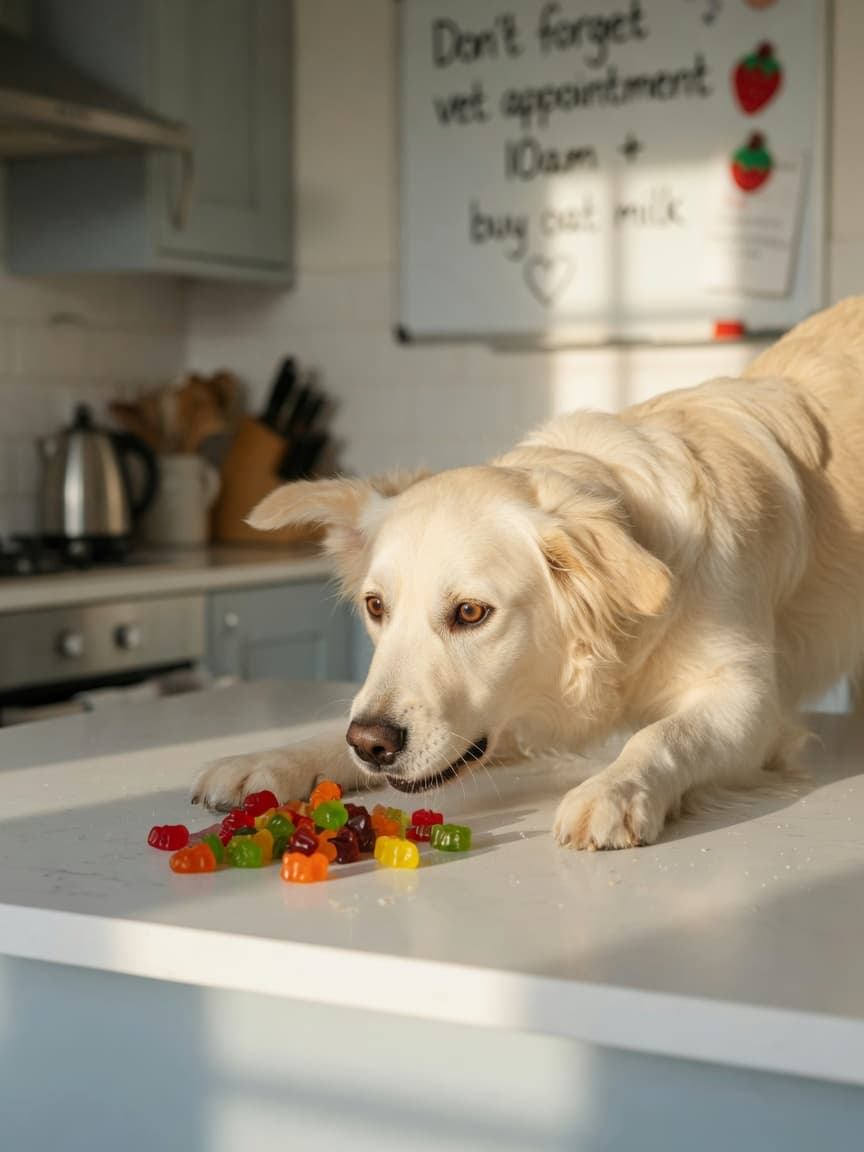
Gummy bears are a beloved sweet treat for many of us, and it's natural to wonder whether we can share them with our canine companions. The short answer is no—dogs shouldn't eat gummy bears, and there are several important reasons why. As a veterinary nutritionist, I'm frequently asked about human foods and pets, and this is one question where the science is clear. Let's explore what makes gummy bears unsuitable for dogs and what happens if your pooch manages to snag one from the kitchen.
Why Gummy Bears Are Bad for Dogs
Gummy bears pose multiple health risks to dogs, making them an absolute no-go for your furry friend. The primary concern isn't just the sugar content, though that's certainly problematic. Here are the key issues:
- High sugar content: Most gummy bears contain 2-3 grams of sugar per serving. Dogs have no dietary requirement for sugar, and excessive intake can lead to obesity, dental problems, and metabolic issues.
- Xylitol risk: Many sugar-free gummy products contain xylitol, an artificial sweetener that is extremely toxic to dogs. Even small amounts can cause severe hypoglycaemia, liver damage, and potentially death.
- Artificial additives: Dyes, flavourings, and preservatives in commercial gummy bears can upset a dog's digestive system.
- Choking hazard: The sticky texture poses a choking risk, particularly for smaller breeds or dogs who don't chew thoroughly.
What to Watch for if Your Dog Eats Gummy Bears
If your dog accidentally consumes gummy bears, the severity of symptoms depends on the quantity, the dog's size, and the specific ingredients. Most commonly, a single gummy bear will cause mild digestive upset. However, watch for these warning signs:
- Vomiting or diarrhoea
- Excessive thirst and urination
- Lethargy or unusual behaviour
- Abdominal pain or bloating
- Loss of appetite
If your dog has consumed sugar-free gummy bears containing xylitol, seek immediate veterinary attention. Signs of xylitol poisoning include weakness, tremors, seizures, and rapid collapse. Time is critical in these cases.
Safe Treats for Your Dog Instead
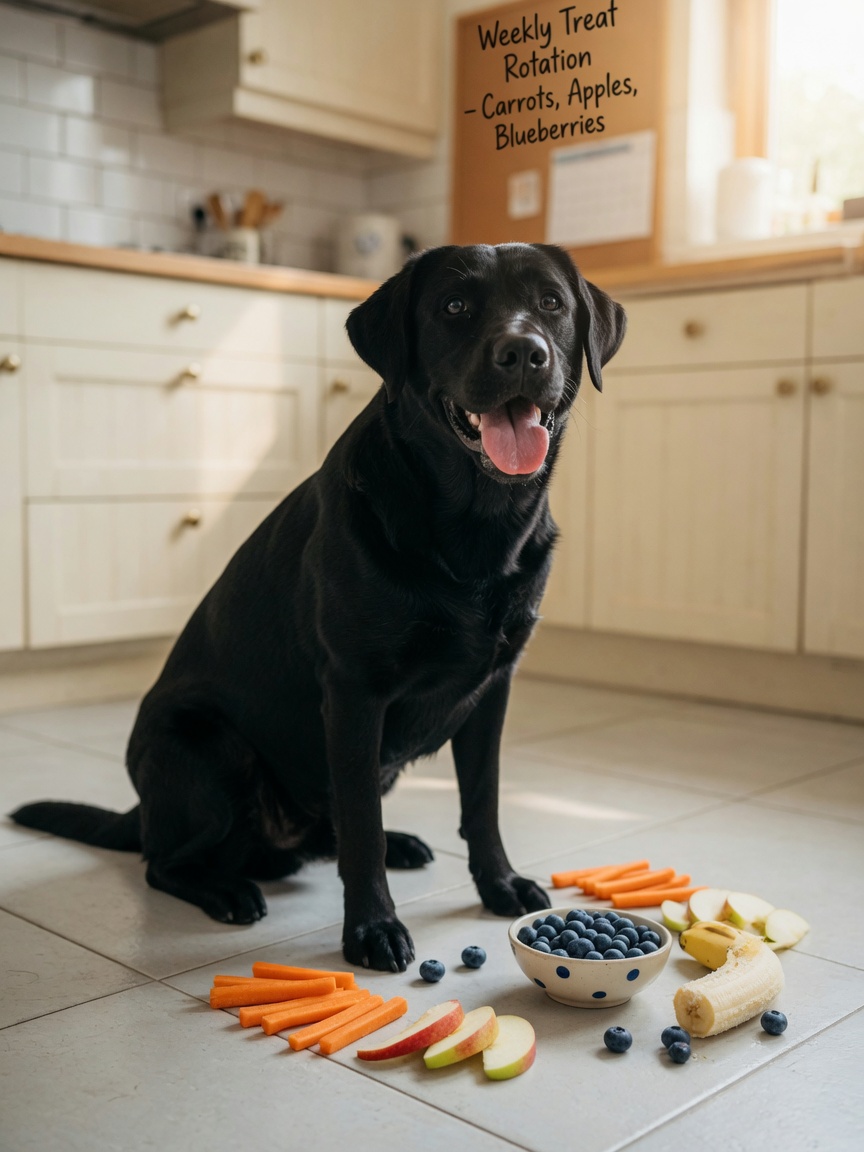
Rather than risking your dog's health with gummy bears, there are plenty of nutritious, dog-safe alternatives that your pet will love:
- Fresh apple slices (without seeds)
- Carrot sticks (excellent for dental health)
- Plain cooked pumpkin
- Blueberries in moderation
- Plain, air-popped popcorn
- Watermelon (seedless)
- Frozen banana pieces
For special occasions, consider purchasing treats specifically formulated for dogs. These are designed with canine nutritional needs in mind and are much safer than human sweets.
Reading Labels: The Xylitol Danger
Xylitol has become increasingly common in "healthy" or "sugar-free" human products. Always check ingredient lists on any food items you keep at home, including sugar-free chewing gum, baked goods, peanut butter, and confectionery. Keep these products securely stored away from curious noses. A single piece of sugar-free gum can be toxic to a small dog, so vigilance is essential.
Key Takeaways
Gummy bears should never be given to dogs intentionally, and prevention is always better than treatment. Focus on providing species-appropriate nutrition and treats designed specifically for canine health. If your dog accidentally eats gummy bears and shows any signs of distress—especially if they're sugar-free varieties—contact your veterinary surgery immediately. Your dog's health and longevity are worth far more than a moment of sharing your snacks. Stick to dog-safe alternatives and enjoy peace of mind knowing you're making the best choices for your beloved companion.