
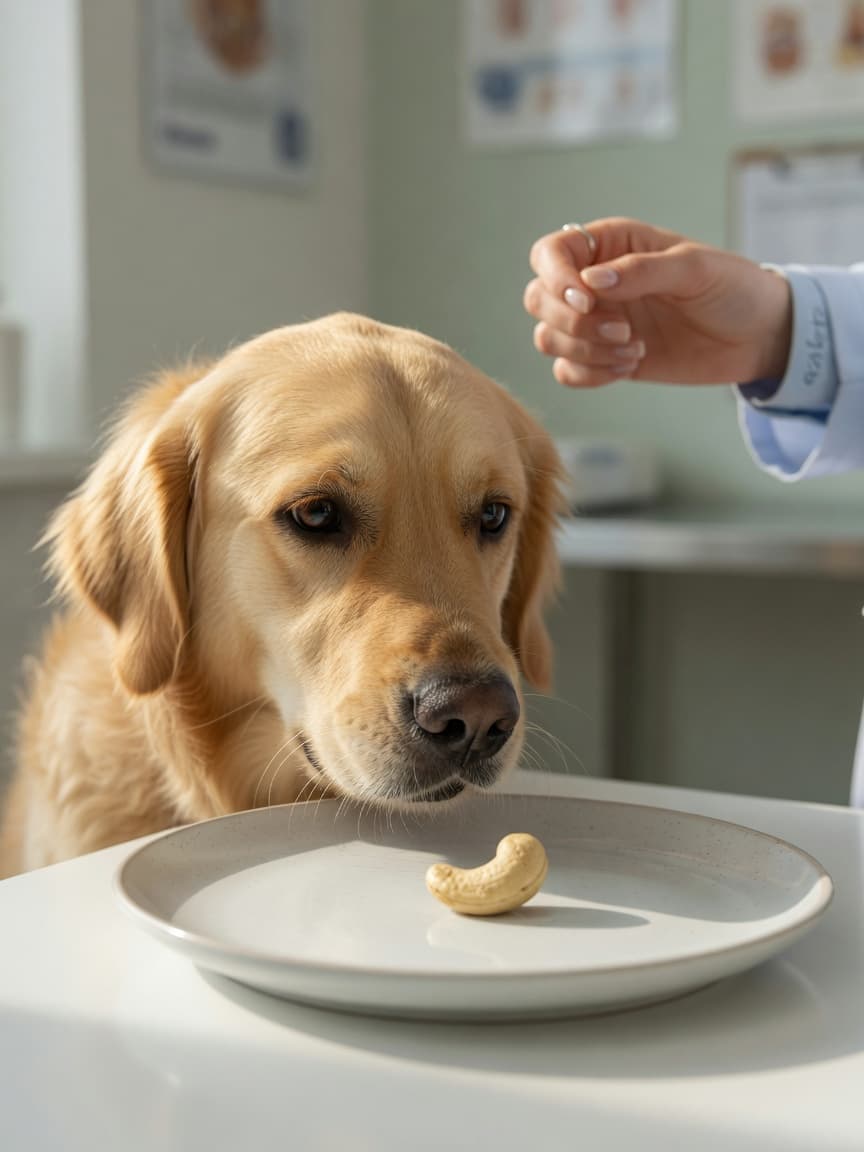
Can Dogs Eat Cashews?
Yes, dogs can eat cashews in small amounts, but they require caution. While cashews are not toxic to dogs in the way that chocolate or grapes are, they present several practical and nutritional concerns that make them unsuitable as a regular treat. If your dog has eaten a cashew or two, there's no need to panic—but they shouldn't become part of your dog's regular diet.
Why Cashews Need Caution
Cashews are high in fat and calories. A small handful of cashews can pack a significant caloric punch, and dogs who consume too much fat are at risk of pancreatitis—a painful inflammation of the pancreas that requires veterinary treatment. This risk is especially serious for dogs already prone to digestive upset or those with a history of pancreatitis.
Another concern is the salt and seasoning often added to cashews sold for human consumption. Salted or roasted cashews with garlic, spices, or other flavourings can upset a dog's stomach and, in excessive amounts, salt can lead to sodium ion poisoning. Even unsalted cashews are still high in fat and calories, which is the main limiting factor for dogs.
Cashews are also relatively hard and can pose a choking hazard for enthusiastic eaters or small dogs. Additionally, their high phosphorus content, while not dangerous in tiny amounts, can be problematic for dogs with kidney disease.
Safe Preparation and Portion Size
If you choose to give your dog a cashew, follow these guidelines:
Preparation: Only offer plain, unsalted, unseasoned cashews. Roasted (without oil) is preferable to raw, as it's slightly easier to digest. Never give cashews that have been seasoned with salt, garlic, onion, or other additives.
Portion: For most dogs, one or two plain cashews occasionally is the absolute maximum. For small dogs (under 10 kg), stick to just half a cashew. This should be an occasional treat, not a regular one, and certainly not a substitute for proper dog treats designed with their nutritional needs in mind.
Frequency: Save cashews for rare occasions only—perhaps once or twice a month at most—and only if your dog has a healthy digestive system and no history of pancreatitis.
Who Should Avoid Cashews Entirely
Some dogs should never eat cashews at all. Avoid them completely if your dog has:
- A history of pancreatitis or digestive sensitivity
- Obesity or a tendency to gain weight easily
- Kidney disease
- A known nut allergy or sensitivity
Puppies and senior dogs with slower metabolisms should also skip cashews, as should any dog on a restricted diet recommended by a vet.
What About Cashew Butter?
Cashew butter is even riskier than whole cashews because it's calorie-dense and typically contains added salt, sugar, or oils. Avoid it entirely for dogs. The same applies to cashew milk and other processed cashew products.
What to Watch For
If your dog has eaten cashews, monitor them for signs of digestive upset or pancreatitis, including:
- Vomiting or retching
- Diarrhoea or loose stools
- Loss of appetite
- Abdominal pain or visible discomfort
- Lethargy or unusual tiredness
If your dog shows any of these signs after eating cashews, contact your vet promptly, especially if symptoms persist beyond a few hours.
Better Treat Alternatives
Rather than cashews, offer your dog treats specifically formulated for canine nutrition. Safe options include small pieces of plain cooked chicken, carrots, green beans, or apple slices (seeds removed). These provide variety without the fat and salt concerns that cashews pose.
The Bottom Line
Cashews are not poisonous to dogs, but their high fat content, frequent salt seasoning, and caloric density make them unsuitable as anything more than a tiny, very occasional treat. For most dogs, it's simpler and safer to choose dog-appropriate alternatives. If you do give your dog a cashew, keep it to a single piece, ensure it's plain and unsalted, and save it for very rare occasions. When in doubt, consult your vet—they know your dog's individual health needs best.