
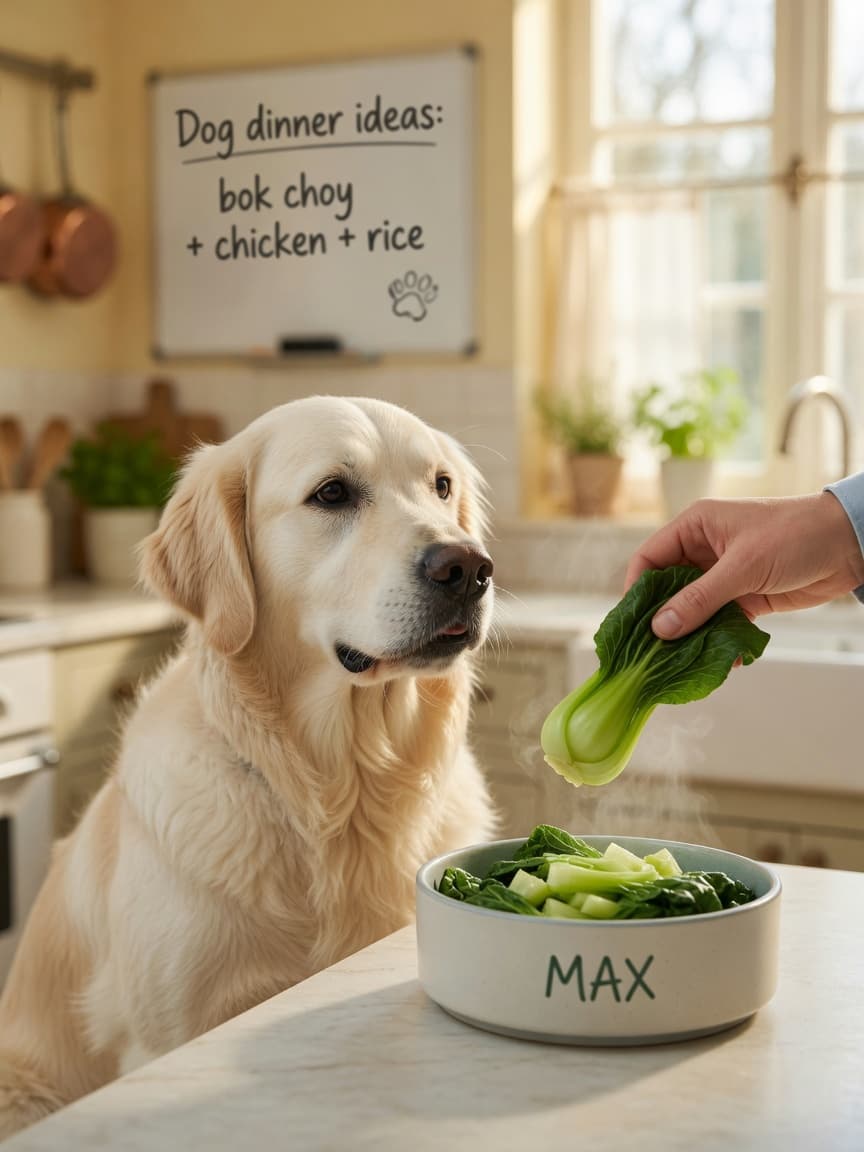
If you're looking for ways to add nutritious vegetables to your dog's diet, bok choy might have crossed your mind. This leafy green vegetable is packed with vitamins and minerals that benefit human health, but is it safe for our canine companions? The good news is yes—dogs can safely eat bok choy when prepared correctly and served in appropriate amounts. Let's explore what you need to know about incorporating this Asian brassica into your dog's meals.
Is Bok Choy Safe for Dogs?
Yes, bok choy is completely safe for dogs to eat. Unlike some vegetables that contain compounds toxic to canines, bok choy is non-toxic and can be a healthy addition to your dog's diet. However, safety depends on proper preparation and portion control. The vegetable itself contains no harmful substances that would cause poisoning or adverse reactions in dogs, making it one of the safer vegetable options available.
Nutritional Benefits of Bok Choy for Dogs
Bok choy offers several nutritional advantages for your dog's health:
- Vitamins and Minerals: Rich in vitamin K, vitamin C, and calcium, which support bone health and immune function
- Fibre: Helps maintain digestive health and promotes regular bowel movements
- Low Calorie: Contains approximately 13 calories per 100g, making it ideal for weight management
- Antioxidants: Contains compounds that help reduce inflammation and protect cells from damage
- Hydration: Over 95% water content, contributing to your dog's daily fluid intake
How to Prepare Bok Choy for Your Dog
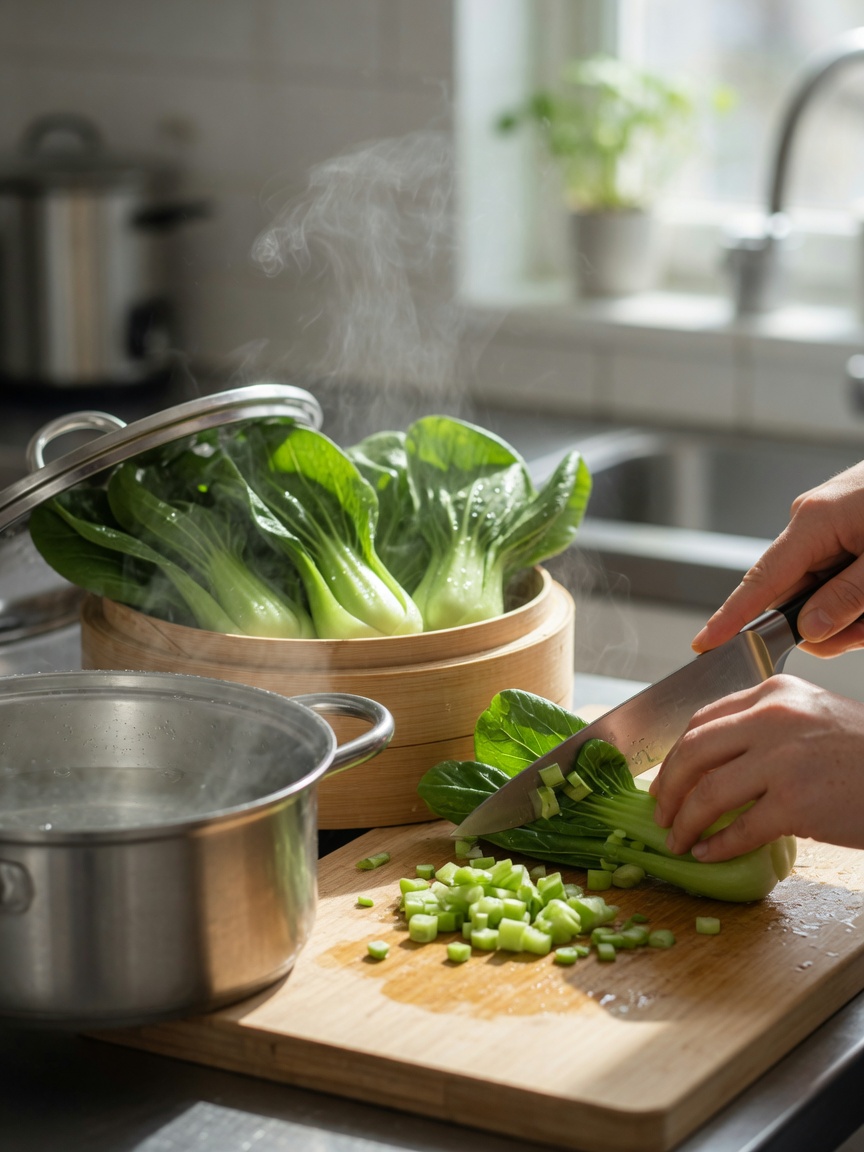
Preparation is key to maximising safety and nutritional value. Follow these guidelines when offering bok choy to your dog:
- Wash thoroughly under running water to remove any pesticides or dirt
- Cook the vegetable by steaming or boiling—never serve it raw
- Remove all stems and leaves once cooked
- Cut into appropriate bite-sized pieces based on your dog's size
- Serve plain without seasonings, garlic, onions, or oils
- Allow the vegetable to cool completely before serving
While some sources suggest raw bok choy is acceptable, cooking makes it easier for your dog to digest and slightly increases nutrient bioavailability.
Portion Recommendations and Frequency
Although bok choy is safe, moderation is essential. Vegetables should comprise no more than 10% of your dog's daily caloric intake. For most dogs, this means offering bok choy as an occasional treat rather than a daily staple. A small dog might enjoy 1-2 tablespoons, whilst larger breeds can have up to half a cup, once or twice weekly. Always introduce new foods gradually to prevent digestive upset.
Important Considerations and Precautions
Certain situations warrant caution when feeding bok choy to your dog:
- Dogs with thyroid conditions: Bok choy, like all brassicas, contains goitrogens—compounds that may interfere with thyroid function in susceptible dogs. Consult your vet before introducing it
- Pregnant or nursing dogs: Keep portions minimal as excessive brassica consumption may affect hormone metabolism
- Digestive sensitivities: Start with tiny amounts and monitor for gas, bloating, or loose stools
- Medication interactions: Bok choy's vitamin K content may interact with anticoagulant medications
Key Takeaways
Bok choy is a safe, nutritious vegetable that can enhance your dog's diet when prepared properly. Always cook it thoroughly, serve it plain, and offer appropriate portions. If your dog has health conditions or takes medications, consult your veterinary surgeon before introducing bok choy. Remember that whilst vegetables provide valuable nutrients, they should complement a balanced, complete commercial diet formulated specifically for dogs. When in doubt, your vet can provide personalised guidance tailored to your individual dog's needs.