

Can Dogs Eat Bacon? Verdict: Not Recommended
Bacon is not recommended for dogs. While a tiny sliver is unlikely to cause immediate harm in a healthy adult dog, bacon is one of the worst processed foods you could regularly offer your pet. Its extraordinary levels of salt, saturated fat, and chemical preservatives make it genuinely harmful — and even a single generous serving can trigger a dangerous bout of pancreatitis in susceptible animals. Veterinary guidance across the EU is consistent: bacon should not feature in your dog's diet.
Why Bacon Is Harmful: The Chemistry Explained
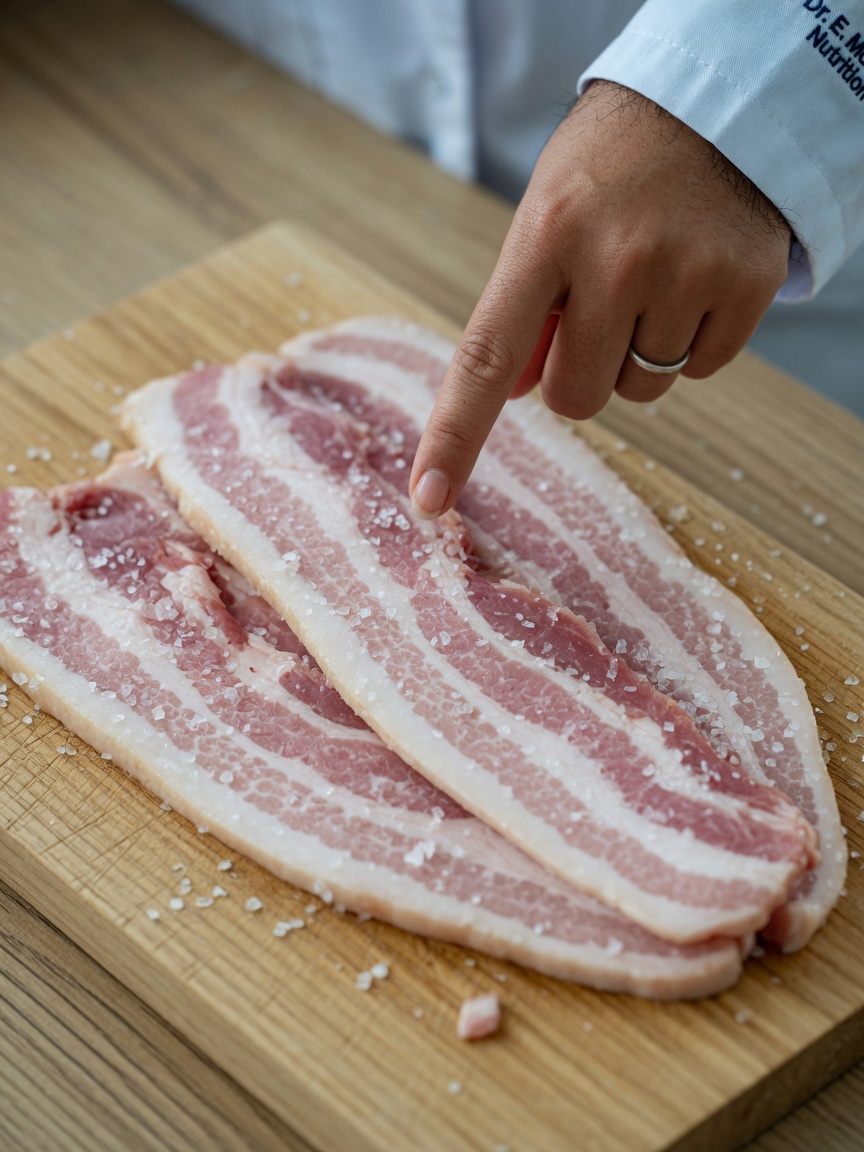
Bacon starts as pork belly, already a high-fat cut. The curing process then concentrates its risks significantly. Traditional curing uses sodium chloride (table salt) in quantities that far exceed what a dog's kidneys can process safely. A single rasher of back bacon can contain 400–600 mg of sodium — more than the entire recommended daily intake for a medium-sized dog, which sits at around 100 mg per day according to the Association of American Feed Control Officials (AAFCO) guidelines adopted as reference standards across European pet food regulation.
Beyond salt, the curing process almost universally involves sodium nitrite (E250) and sodium nitrate (E251) as preservatives and colour fixatives. These compounds prevent the growth of Clostridium botulinum and give bacon its characteristic pink colour. In dogs, nitrites are converted in the gastrointestinal tract to nitrosamines — compounds with known carcinogenic potential in mammals. The European Food Safety Authority (EFSA) has repeatedly flagged nitrosamines in processed meat as a public health concern for humans; the same biochemical pathways exist in dogs, meaning chronic exposure carries real long-term risk.
The fat content is equally alarming. Streaky bacon derives roughly 40–50% of its calories from fat, much of it saturated. Dogs lack the metabolic resilience of humans when it comes to sudden dietary fat spikes. The pancreas responds to a large fat load by releasing an excess of digestive enzymes; in susceptible dogs, this cascade becomes self-destructive — the enzymes begin digesting the pancreas itself, causing acute pancreatitis.
Specific Risks of Feeding Bacon to Dogs
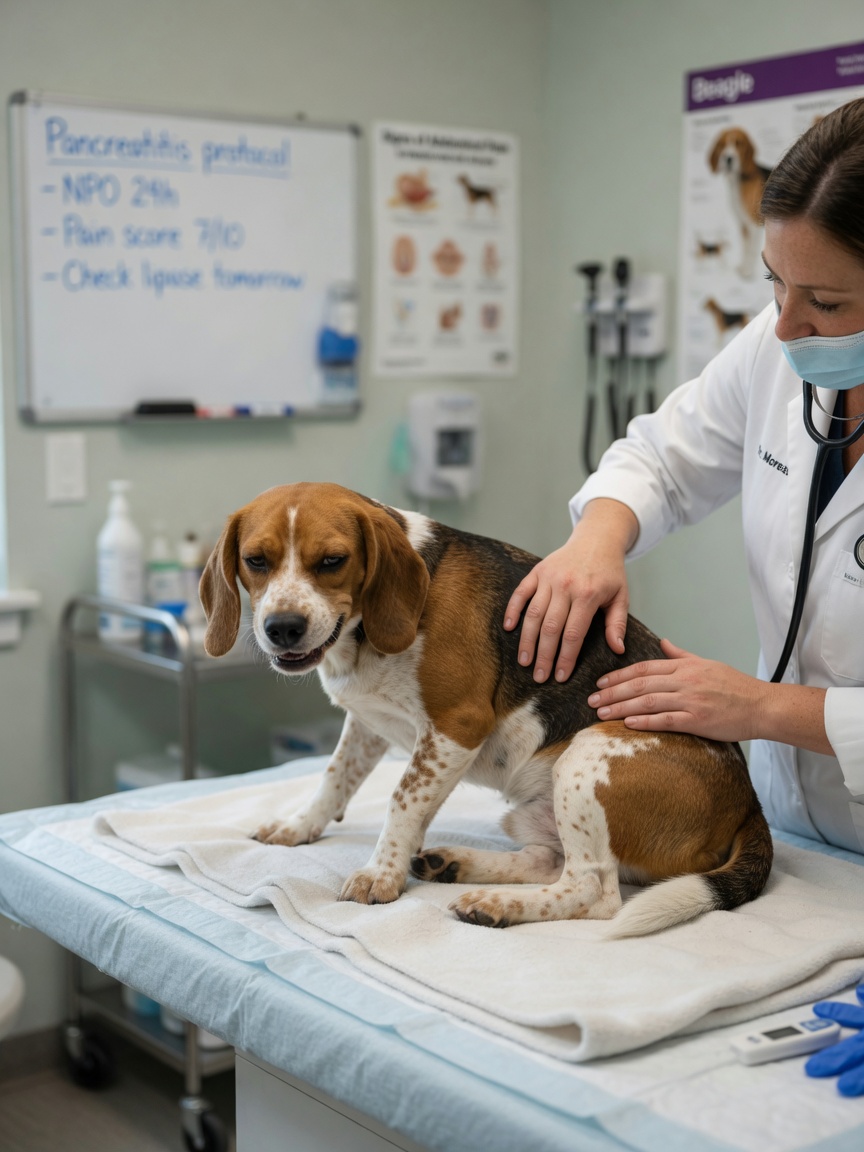
- Acute pancreatitis: This is the most serious short-term risk. Symptoms include sudden vomiting, hunched posture, loss of appetite, and severe abdominal pain. Pancreatitis can be life-threatening and requires emergency veterinary treatment.
- Salt toxicity (hypernatraemia): Excess sodium causes cells to lose water rapidly. Signs include excessive thirst, urination, lethargy, vomiting, tremors, and in severe cases, seizures or death.
- Obesity: Regular feeding of high-calorie processed meats contributes directly to weight gain, which in turn exacerbates joint disease, diabetes, and cardiac problems.
- Kidney strain: Dogs with pre-existing kidney disease are particularly vulnerable, as compromised kidneys cannot excrete excess sodium efficiently.
- Nitrosamine exposure: Long-term consumption of nitrite-cured meats may contribute to increased cancer risk, particularly colorectal tumours, though peer-reviewed canine-specific data remain limited.
EU Food Safety Perspective
EFSA's 2017 opinion on nitrites and nitrates in food highlighted that processed meats are the primary dietary source of nitrosamines for EU consumers. While EFSA's mandate covers human food safety, veterinary nutritionists in Europe apply the same biochemical principles to companion animals. The EU Pet Food Association (FEDIAF) nutritional guidelines do not include processed cured meats in recommended ingredient lists, and cured products are conspicuously absent from approved complementary and complete pet food formulations. This omission is deliberate: regulatory bodies recognise that the risk-benefit balance is firmly negative.
When Dogs Should Absolutely Not Eat Bacon
- Dogs with a history of pancreatitis or currently showing digestive symptoms
- Dogs with kidney disease or reduced kidney function
- Overweight or obese dogs
- Dogs with heart conditions or hypertension
- Dogs with diagnosed diabetes mellitus
- Puppies under twelve months, whose organ systems are still maturing
- Small breeds (under 5 kg), for whom even a small rasher represents a disproportionately large fat and salt load
What About Bacon-Flavoured Dog Treats?
Bacon-flavoured dog treats sold by reputable retailers are a completely different matter. These products are formulated specifically for canine nutritional needs, using bacon flavouring without the harmful levels of salt, fat, and nitrites found in actual cured bacon. Retailers such as Zooplus stock a wide range of bacon-flavoured treats made by European pet food manufacturers working within FEDIAF and EU feed safety regulations — these are a genuinely safer way to indulge your dog's love of that smoky pork flavour without the associated health risks.
Safe Alternatives to Bacon
If you want to give your dog a high-value protein treat, there are far safer options. Plain cooked chicken breast, turkey strips, or lean boiled pork (without seasoning or salt) provide protein without the nitrite and sodium burden of processed bacon. These can be offered in small quantities as training rewards or occasional treats. Always ensure any meat offered to your dog is unseasoned, cooked through, and free from bones.
How Much Bacon Can a Dog Eat Safely?
Technically, a single small piece — roughly the size of a postage stamp — from a rasher of cooked back bacon is unlikely to cause acute harm in a healthy, adult, medium-to-large breed dog with no underlying conditions. However, this should genuinely be a one-off accident scenario rather than a deliberate choice. There is no safe regular amount. Veterinary consensus is that bacon provides no nutritional benefit that cannot be obtained from safer alternatives and that its risks far outweigh any treat value it might offer.
What to Do If Your Dog Eats Bacon
If your dog has stolen a rasher or two from the kitchen counter, monitor them closely for the next 24–48 hours. Signs of concern include vomiting, diarrhoea, lethargy, loss of appetite, or a hunched, painful posture. If any of these appear, contact your vet promptly. A large quantity of bacon — for example, a whole pack consumed by a small dog — warrants an immediate call to your veterinary practice regardless of symptoms, as early intervention significantly improves outcomes in pancreatitis cases.
Conclusion
Bacon is one of the clearest examples of a human food that carries genuine, documented risks for dogs. Its combination of excessive salt, saturated fat, and chemical preservatives including nitrites makes it unsuitable as a treat. The risk of triggering pancreatitis alone is sufficient reason to keep bacon firmly out of your dog's bowl. Opt instead for purpose-formulated treats that give your dog a satisfying flavour experience without compromising their health.