
The Cat Who Wants Your Toast
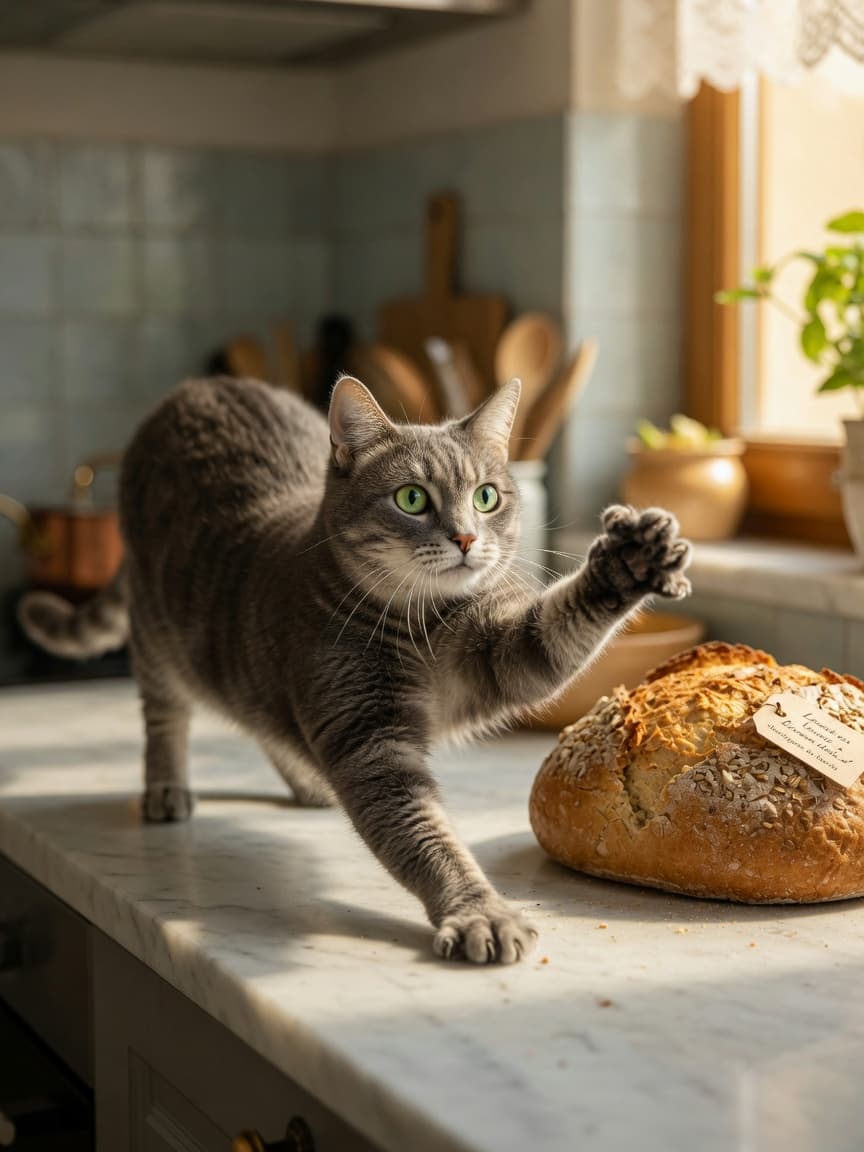
Many cats display an unexpected interest in bread — the smell of freshly baked loaves, the soft texture, the warmth. It is one of the more puzzling feline food fixations, given that bread offers essentially nothing a cat nutritionally needs. But the real issue with bread is not just that it is unhelpful — certain forms of it, particularly raw dough, carry a risk serious enough to warrant a trip to the emergency vet. Understanding the distinction matters.
What Bread Is Made Of and Why Cats Do Not Need It
Bread is primarily refined carbohydrate. Cats lack the metabolic incentive to prioritise dietary carbohydrate because their liver lacks glucokinase, the enzyme that helps manage sudden glucose influxes efficiently. They are designed to derive energy from protein and fat, not starch. Plain baked bread is not poisonous to cats, but it contributes calories without meaningful protein, essential amino acids, taurine, or fat-soluble vitamins. It is nutritionally inert for a species that requires a high-protein, meat-based diet.
Empty Calorie Concerns
A single slice of white bread contains roughly 75 to 80 calories. For a 4kg domestic cat whose daily caloric requirement is approximately 200 to 250 calories, even a quarter of a slice represents a significant caloric fraction with no nutritional return. Regular bread consumption contributes to weight gain, and feline obesity carries serious downstream consequences including diabetes mellitus, hepatic lipidosis, and joint disease.
The Specific and Serious Danger of Raw Yeast Dough
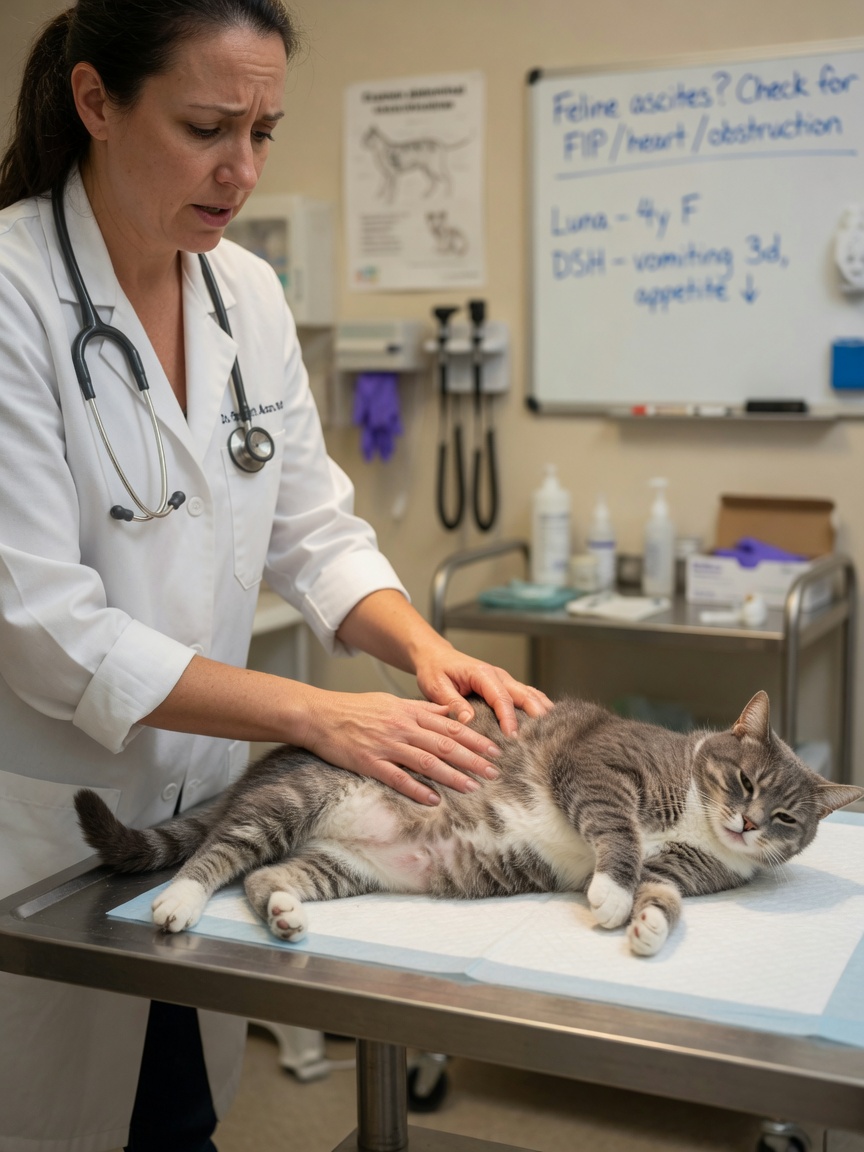
This is the section that matters most. Raw bread dough containing active yeast is genuinely dangerous to cats and should be treated as a toxicological emergency. The danger operates through two distinct mechanisms.
Ethanol Production
Yeast ferments sugars and produces carbon dioxide and ethanol as byproducts. In the warm, moist environment of a cat's stomach, this fermentation continues rapidly. Ethanol is absorbed into the bloodstream, causing alcohol toxicosis. Symptoms include disorientation, ataxia (loss of coordinated movement), vomiting, depression, hypothermia, and in severe cases, respiratory failure. Cats are significantly more sensitive to ethanol than humans.
Gastric Expansion
The carbon dioxide produced by yeast activity causes the dough to expand inside the stomach. This can lead to bloating, pain, and in worst cases, gastric dilatation — a potentially life-threatening condition. The cat's abdomen may appear visibly distended, and they may show signs of significant discomfort and distress.
If a cat has consumed raw yeast dough, contact a veterinarian immediately. Do not wait for symptoms to develop.
Bread Ingredients That Add Extra Risk
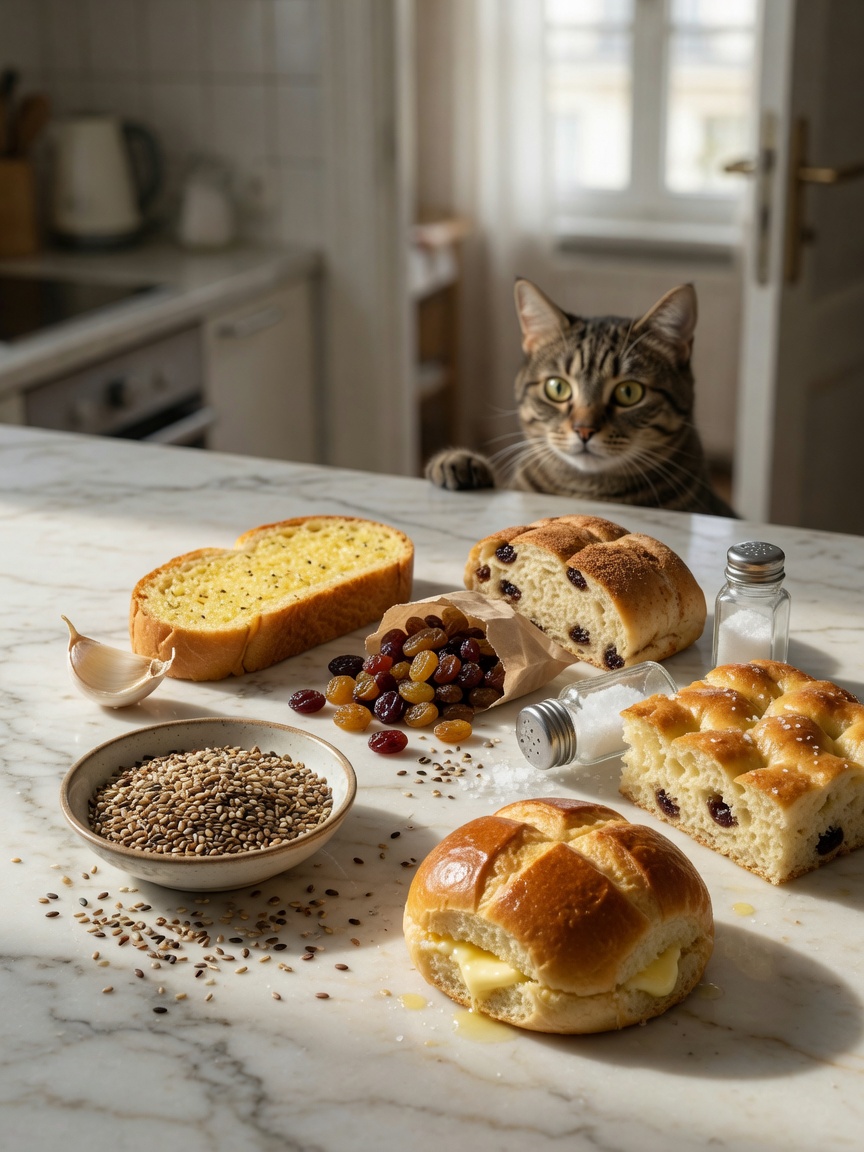
- Garlic bread or bread with onion — both alliums are toxic to cats and cause haemolytic anaemia
- Raisin bread — raisins are toxic to cats and can cause acute kidney failure
- Bread with seeds such as xylitol-containing products or macadamia nuts
- Heavily salted breads such as pretzels or focaccia — excessive sodium causes thirst, urination, and in large amounts, sodium ion poisoning
- Sweet breads or brioche with high sugar and butter content
When a Small Amount of Plain Bread Is Acceptable
A tiny piece of plain, fully baked, unsalted white or wholemeal bread given occasionally is unlikely to harm a healthy cat. If your cat is fascinated by it and you want to share a small morsel, this is not a catastrophe. The caveats are: keep it very small (thumbnail-sized), ensure it contains no harmful additives, and do not make it a habit. Bread has no place as a regular treat when there are protein-based alternatives that actually serve a cat's nutritional needs.
Practical Summary
- Plain baked bread is not toxic to cats but offers no nutritional value and contributes to weight gain
- Raw yeast dough is dangerous and constitutes a veterinary emergency — ethanol production and gastric expansion are both serious risks
- Bread containing garlic, onion, raisins, or artificial sweeteners must be kept away from cats entirely
- A tiny piece of plain bread occasionally is unlikely to cause harm in a healthy cat, but it is not recommended as a treat
- For medical concerns about your cat's diet or if they have consumed raw dough or harmful ingredients, contact your vet without delay