
Why Socialisation Is a Health Issue, Not Just a Behaviour Issue
Most new puppy owners understand that socialisation is important. Fewer understand why it is urgent. The socialisation window in puppies is a neurologically driven developmental period during which the brain is uniquely primed to accept and adapt to new experiences. What is learned — or missed — during this period shapes a dog's behavioural responses for the rest of their life.
This is not a matter of training techniques. It is fundamental neuroscience, and the research behind it is well established.
What the Socialisation Window Actually Is
The Science Behind the Sensitive Period
In dogs, the primary socialisation window opens at around three weeks of age and begins to close between twelve and sixteen weeks. During this window, the brain is forming synaptic connections at an accelerated rate. Novel stimuli are processed and integrated without the fear response that would be generated in an older dog encountering the same stimulus for the first time.
Research by Scott and Fuller in the 1960s, later expanded upon by numerous canine behaviourists, established that puppies exposed to a wide range of social and environmental experiences during this window were significantly less likely to develop fear-based behaviours as adults.
What Happens After the Window Closes
After approximately sixteen weeks, the neurological hardwiring begins to consolidate. The brain's default response to novel stimuli becomes caution or fear rather than curiosity. This does not mean an older dog cannot learn to cope with new things — counter-conditioning and desensitisation work at any age — but the process is slower, harder, and requires far more effort than simply exposing a young puppy to experiences during the sensitive period.
The Vaccination Dilemma
Balancing Disease Risk Against Behavioural Risk
Here lies the central tension for new puppy owners. The vaccination course is not complete until approximately two weeks after the second injection — typically around twelve to fourteen weeks of age. Yet the socialisation window closes around twelve to sixteen weeks. Historically, owners were advised to keep puppies home until fully vaccinated, which meant missing a significant portion of the sensitive period.
Current guidance from the British Veterinary Behaviour Association, the American Veterinary Society of Animal Behavior, and others is more nuanced. The behavioural risks of under-socialisation are considered at least as significant as the disease risks in many environments. The advice is to socialise sensibly — avoiding high-risk areas such as dog parks, pet shop floors, or anywhere unvaccinated dogs gather — while still exposing puppies to controlled, safe experiences.
Safe Socialisation Before Full Vaccination
There are many ways to socialise a puppy that carry minimal disease risk:
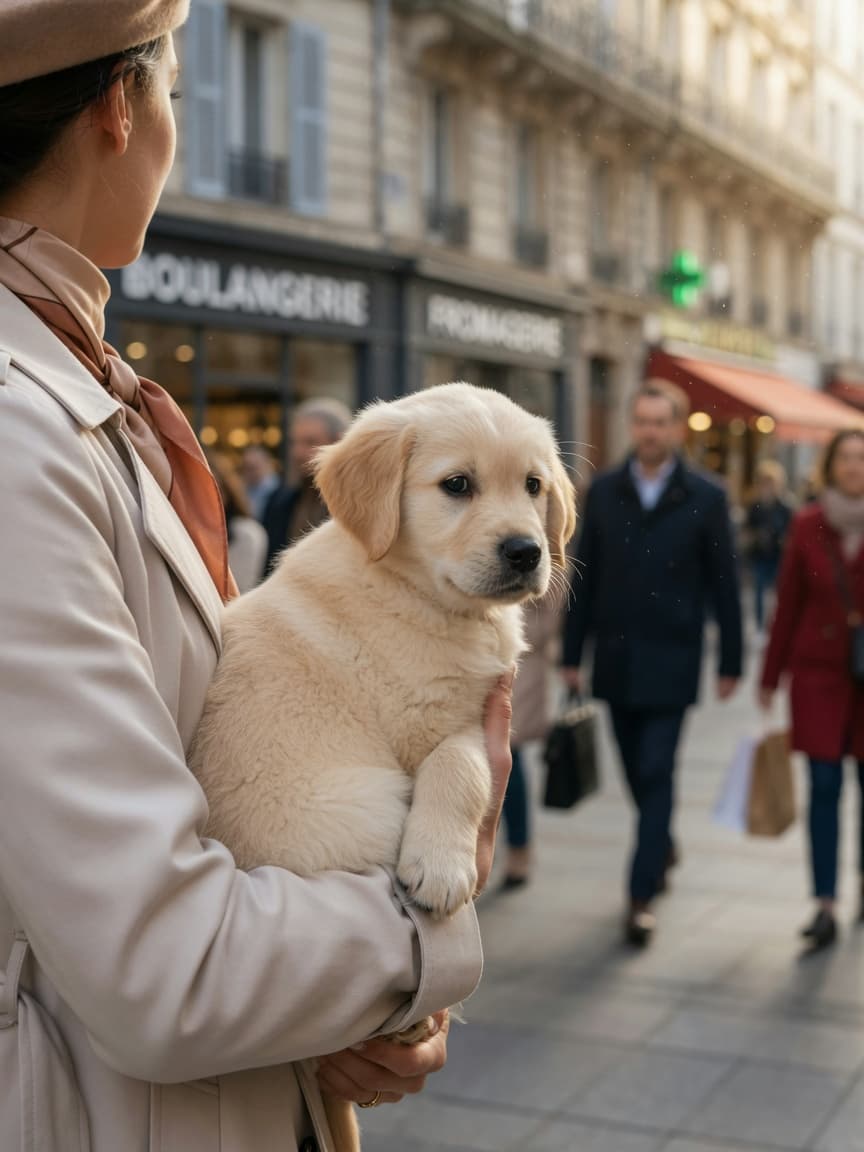
- Carrying your puppy in areas where unknown dogs walk, allowing them to observe the environment without ground contact
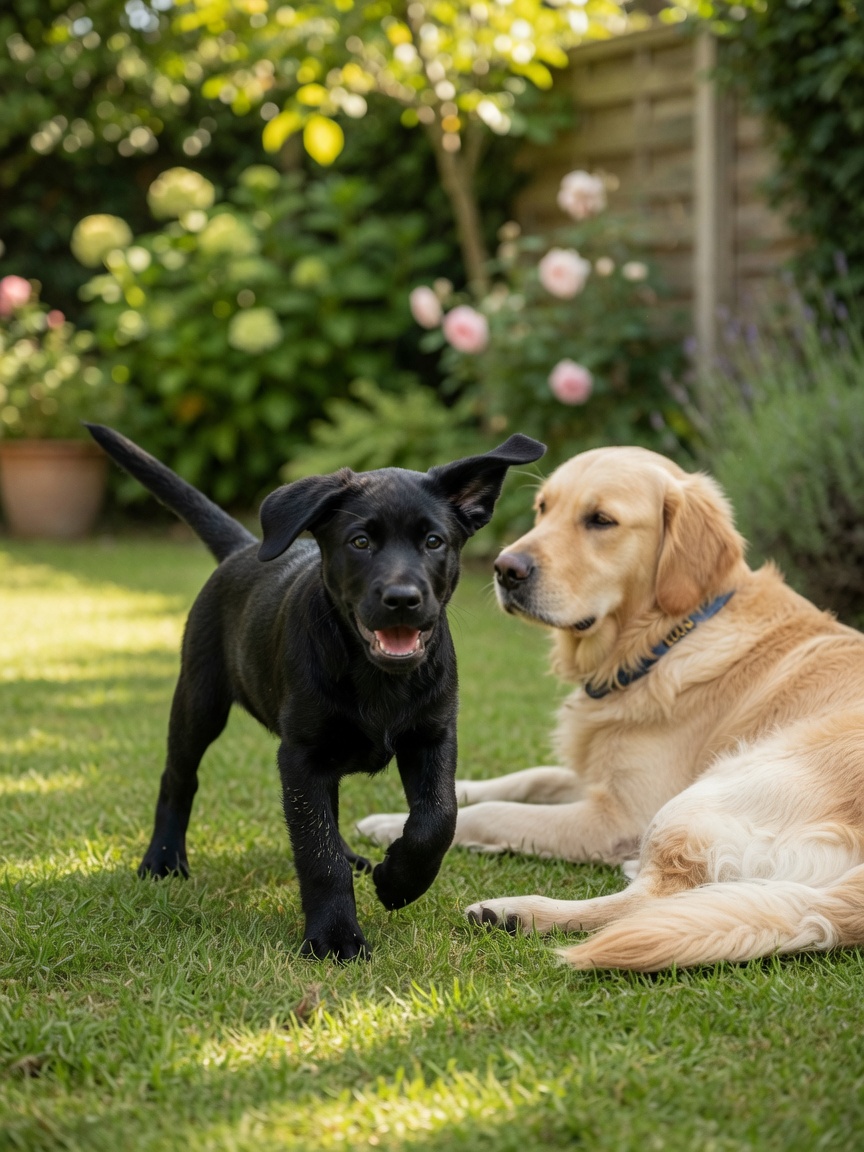
- Arranging playdates with fully vaccinated dogs in private gardens
- Attending puppy classes that require vaccination records and are held indoors on cleanable surfaces
- Visiting friends' and family members' homes to meet different people and environments
- Exposing them to household sounds such as hoovers, washing machines, and television
What to Expose Your Puppy To
People
Aim for your puppy to meet as many different people as possible during the sensitive period — men, women, children, people wearing hats or glasses, people using walking aids, people of different ages and appearances. The goal is breadth, not just quantity. Each positive experience with a varied type of person builds generalisation: the idea that different-looking humans are safe.
Always allow the puppy to approach on their own terms. Forcing interaction with someone they are hesitant about can backfire, creating a negative association with that stimulus rather than a positive one.
Environments and Surfaces
Expose your puppy to different textures underfoot — grass, gravel, tiles, wooden floors, metal grating, carpet. Varied environments build confidence and prevent the surface-specific anxiety that many under-socialised dogs develop. Busy streets (carried, if pre-vaccination), car journeys, indoor environments, outdoor markets, and anywhere with ambient noise all contribute positively.
Other Animals
Positive, supervised interactions with calm, vaccinated adult dogs are invaluable. Exposure to cats, if done safely, also helps prevent the prey drive-triggered responses that cause problems later. The key word is positive — a single frightening experience with another animal during the sensitive period can create a lasting negative association that takes considerable effort to overcome.
Common Socialisation Mistakes
Flooding
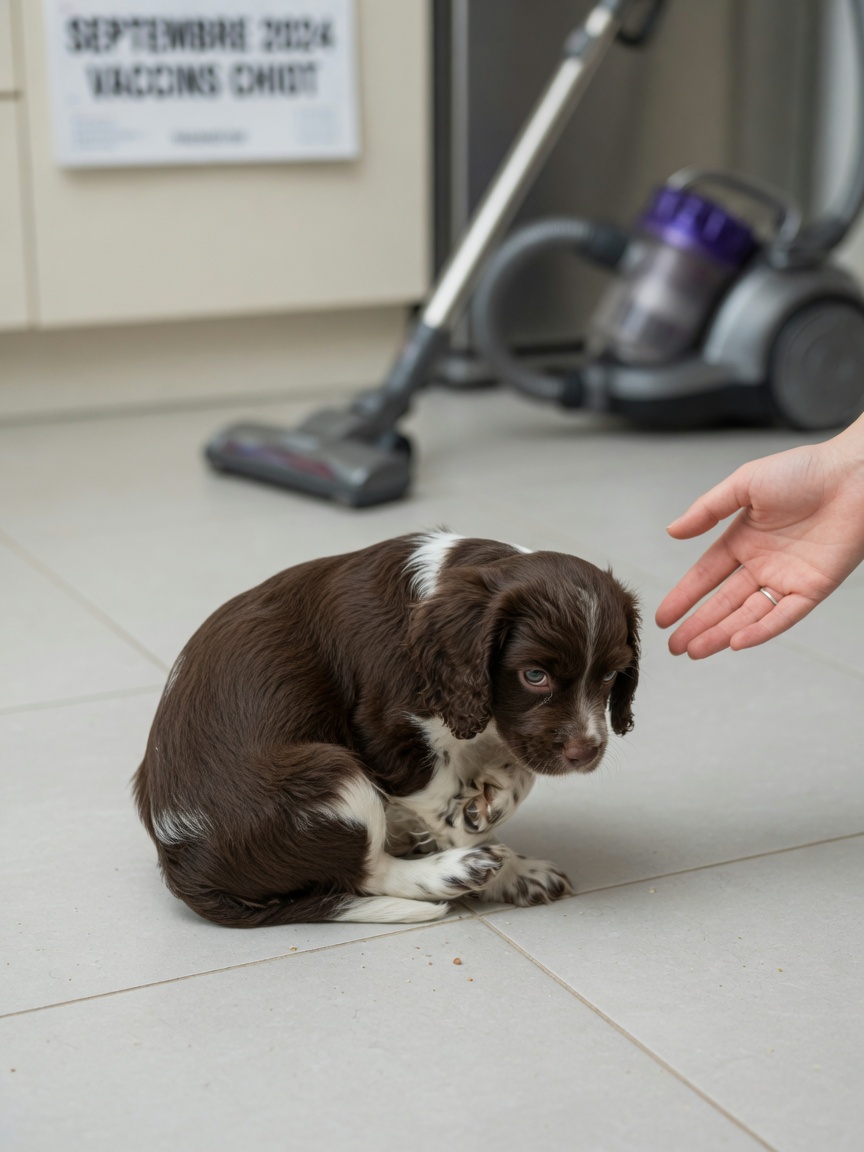
Flooding means overwhelming a puppy with exposure to something they find frightening, in the hope they will simply get used to it. This approach can create lasting trauma rather than acceptance. Always work at a level where the puppy is curious or mildly alert rather than showing signs of fear.
Mistaking Tolerance for Confidence
A puppy who freezes, tucks their tail, or becomes unusually still is not coping well. These are shutdown behaviours, not signs of relaxation. Look for loose, wiggly body language, willingness to approach and explore, and normal eating behaviour as indicators that socialisation is going well.
Stopping After Twelve Weeks
While the critical window closes, socialisation should continue throughout the juvenile period and beyond. Adolescent dogs frequently regress — experiences that were comfortable at ten weeks may trigger fear responses at six months as hormonal changes affect the brain. Keep exposures regular and positive throughout the first two years of life.
Signs That Professional Help May Be Needed
- Persistent hiding or inability to settle in the home
- Refusal to eat in any new environment
- Extreme reactivity to sounds, movement, or strangers
- Inability to make eye contact with unfamiliar people
- Aggression or snapping during normal handling
If you are seeing these behaviours before twelve weeks, a referral to a clinical animal behaviourist — rather than a standard dog trainer — is the appropriate step. Early intervention yields far better outcomes than waiting to see if a puppy grows out of it.