
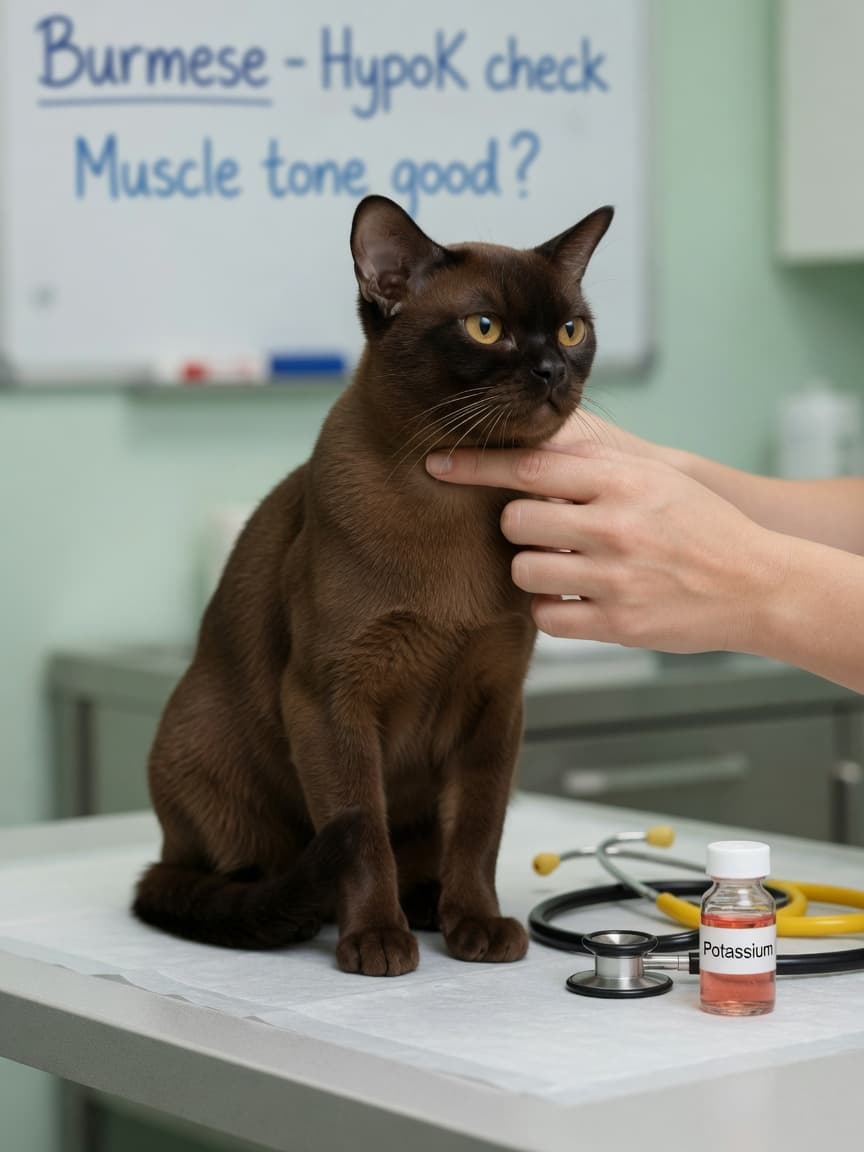
A Beloved Breed Carrying Real Genetic Baggage
The Burmese is one of the most sociable, affectionate cat breeds in existence — dogs in cat suits, as their owners often describe them. They are also one of the breeds most thoroughly studied for hereditary disease. Three conditions in particular deserve the attention of every Burmese owner and prospective buyer: hypokalaemic polymyopathy, diabetes mellitus, and the controversial head defect associated with certain breeding lines.
Hypokalaemic Polymyopathy: The Potassium Problem
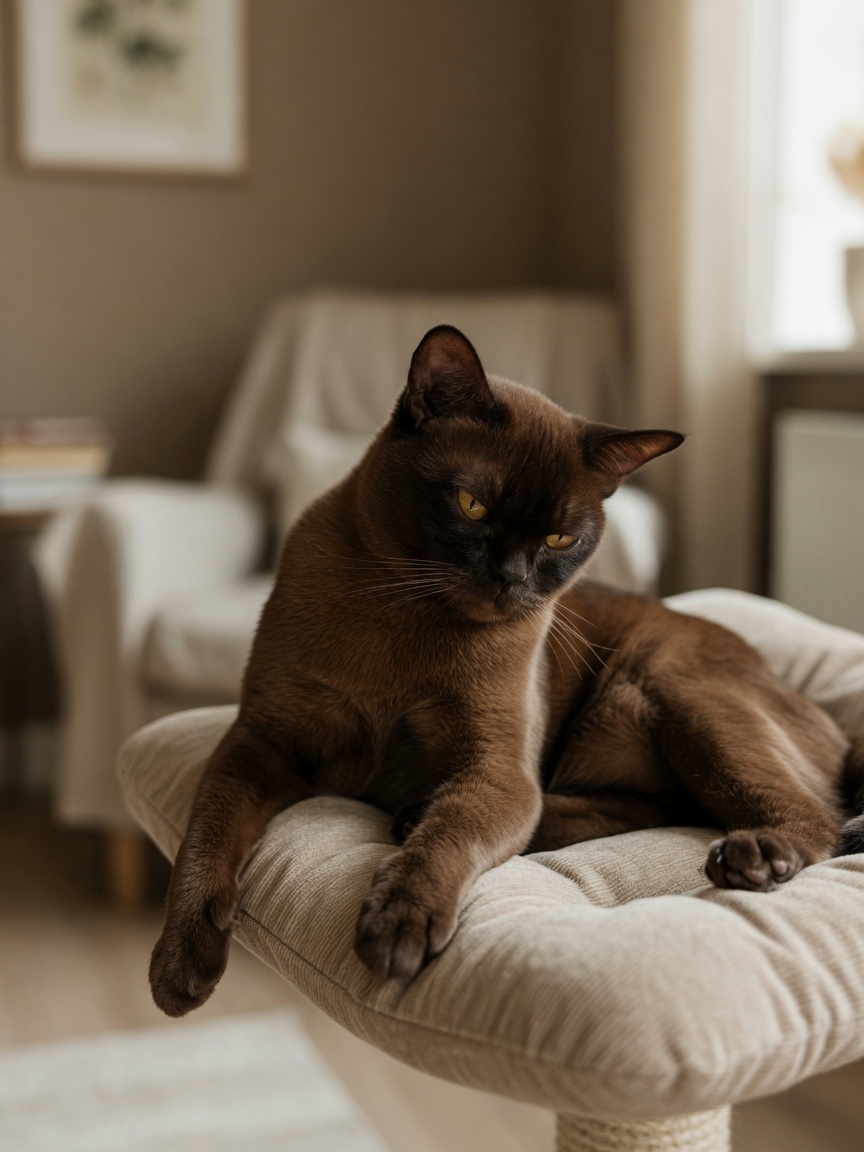
Hypokalaemia refers to abnormally low levels of potassium in the blood. In Burmese cats, a hereditary form of this condition — hypokalaemic polymyopathy — has been identified and is caused by an autosomal recessive genetic mutation. Affected cats typically show symptoms between four months and two years of age, though onset can occur later.
Recognising the Signs
The most visible symptom is muscle weakness, often presenting as an inability to hold the head up normally — a characteristic ventroflexion of the neck. Affected cats may also show generalised weakness, reluctance to move, and episodes that worsen with stress or activity. The condition can be episodic rather than constant, which sometimes delays diagnosis.
Diagnosis and Management
Blood testing to measure serum potassium levels is the starting point. Genetic testing is now available for the known mutation, allowing breeders to identify carriers and avoid producing affected kittens. In cats already showing symptoms, oral potassium supplementation often produces rapid and significant improvement. Your vet will guide appropriate dosing — self-supplementation without veterinary oversight is not advisable as excessive potassium carries its own risks.
Diabetes Mellitus in the Burmese
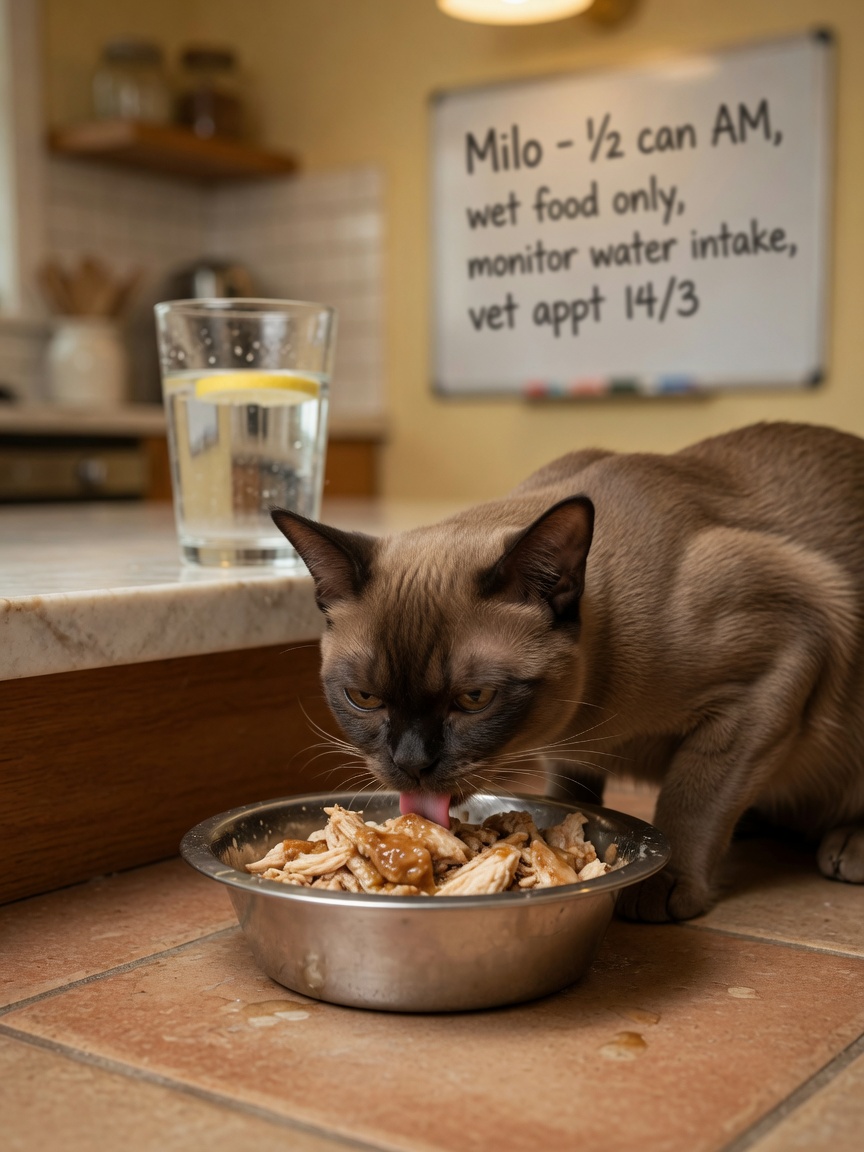
Multiple epidemiological studies have confirmed that Burmese cats are substantially overrepresented in feline diabetes populations, particularly in Australia and the United Kingdom. The breed appears to carry a genetic predisposition to type 2 diabetes mellitus, with obesity acting as a significant compounding risk factor.
Risk Factors Within the Breed
Male Burmese cats appear to be at higher risk than females. Neutering, indoor lifestyle, age, and high-carbohydrate diets all interact with the underlying genetic predisposition. Research suggests the Burmese may have specific differences in glucose metabolism and insulin sensitivity that make them more vulnerable than the average domestic cat.
Prevention and Early Detection
Weight management is the most modifiable risk factor. Keeping a Burmese in lean body condition throughout its life, feeding a low-carbohydrate wet diet, and encouraging activity all reduce diabetes risk meaningfully. Signs of diabetes — increased thirst, increased urination, weight loss despite good appetite, and hind limb weakness due to diabetic neuropathy — warrant prompt veterinary assessment. Importantly, feline diabetes can go into remission with early, aggressive treatment, making timely diagnosis critical.
The Contemporary Burmese Head Defect
The "Contemporary" or "American" Burmese type — characterised by a rounder, more domed skull compared to the traditional "European" type — has been associated with a serious craniofacial abnormality known as the Burmese head defect (BHD). This is a lethal condition in its homozygous form, producing severe skull malformations incompatible with life. Kittens born with the full defect are typically stillborn or die shortly after birth.
Heterozygous carriers — cats with one copy of the gene — may appear normal but can produce affected offspring when bred with another carrier. The condition is caused by a specific genetic variant linked to the extreme brachycephalic (flat-faced) head type selected for in some breeding programmes. Responsible breeders now use genetic testing to screen breeding animals, and there is increasing pressure within breed organisations to move away from the extreme head type that carries this risk.
Nutrition Considerations for the Burmese
Given the breed's diabetes risk, dietary composition warrants careful thought. A high-protein, low-carbohydrate wet food diet aligns with feline metabolic needs and reduces glycaemic load. Avoid free-feeding dry kibble, which tends to be calorie-dense and carbohydrate-heavy. If your Burmese has been diagnosed with hypokalaemia, your vet may also assess dietary potassium content and consider whether the current food is contributing to the problem.
Key Actions for Burmese Owners
- If purchasing from a breeder, ask for hypokalaemia genetic test results for both parents.
- Ask breeders about Burmese head defect screening, particularly if buying a Contemporary type.
- Keep your Burmese lean — obesity is the most controllable diabetes risk factor.
- Feed a high-protein, low-carbohydrate wet diet and avoid free-feeding dry food.
- Watch for muscle weakness or neck ventroflexion and report these to your vet promptly.
- Report increased thirst, urination, or hind limb weakness to your vet without delay.
- Schedule regular health checks — annual blood glucose monitoring is worth discussing with your vet from middle age onwards.