ForPetsHealthcare
Dogs

Are Peanuts Safe for Dogs? Things All Pet Owners Must Know

By Julia WrenfieldUpdated August 4, 20263 min read
Evidence-based · Sources checked
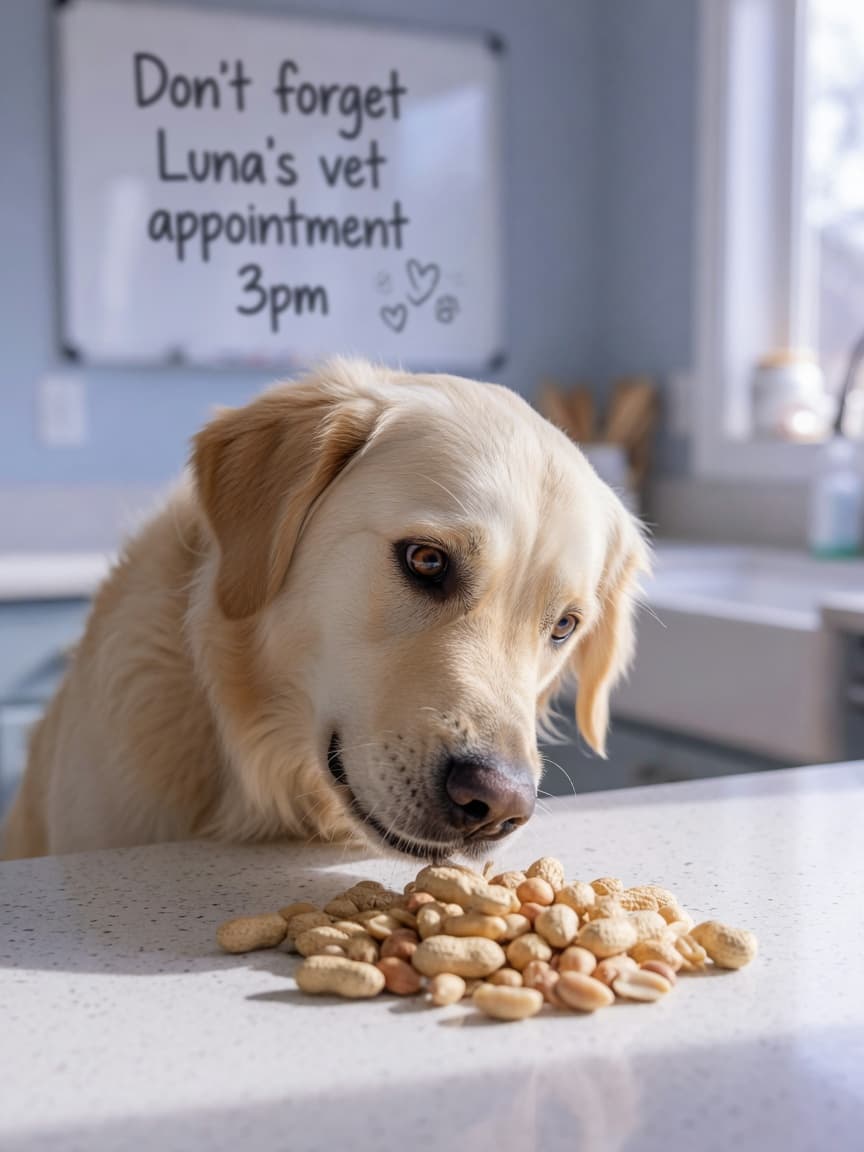
{"en": "Golden retriever sniffing peanuts on a wooden table with dog owner nearby", "es": "Golden retriever olfateando cacahuetes en una mesa de madera con el due\u00f1o cerca", "fr": "Golden retriever reniflant des cacahu\u00e8tes sur une table en bois avec son propri\u00e9taire", "de": "Golden Retriever schnuppert an Erdn\u00fcssen auf einem Holztisch neben seinem Besitzer", "nl": "Golden retriever snuffelt aan pinda's op een houten tafel met hondenbaas erbij", "pt": "Golden retriever cheirando amendoins em uma mesa de madeira com dono de cachorro perto", "it": "Golden retriever che annusa arachidi su un tavolo di legno con il proprietario vicino"}

Peanuts are a beloved snack for humans, and many dog owners wonder whether they can safely share this treat with their furry companions. The answer isn't straightforward, as peanuts can be safe for dogs in certain circumstances, but they come with important considerations that every pet owner should understand. This comprehensive guide will help you make informed decisions about feeding peanuts to your dog.

Are Plain Peanuts Safe for Dogs?

Plain, unsalted peanuts are generally safe for dogs in moderation. Unlike some foods that are toxic to canines, peanuts themselves don't contain compounds that are inherently harmful to dogs. However, the key word here is "plain." Many commercially available peanut products contain added ingredients that can pose serious health risks to your pet.

When offering peanuts to your dog, ensure they are:

  • Raw or roasted (not deep-fried)
  • Completely unsalted
  • Free from any seasoning or flavouring
  • Out of their shells
  • Given in small quantities

The Xylitol Warning: A Critical Safety Issue
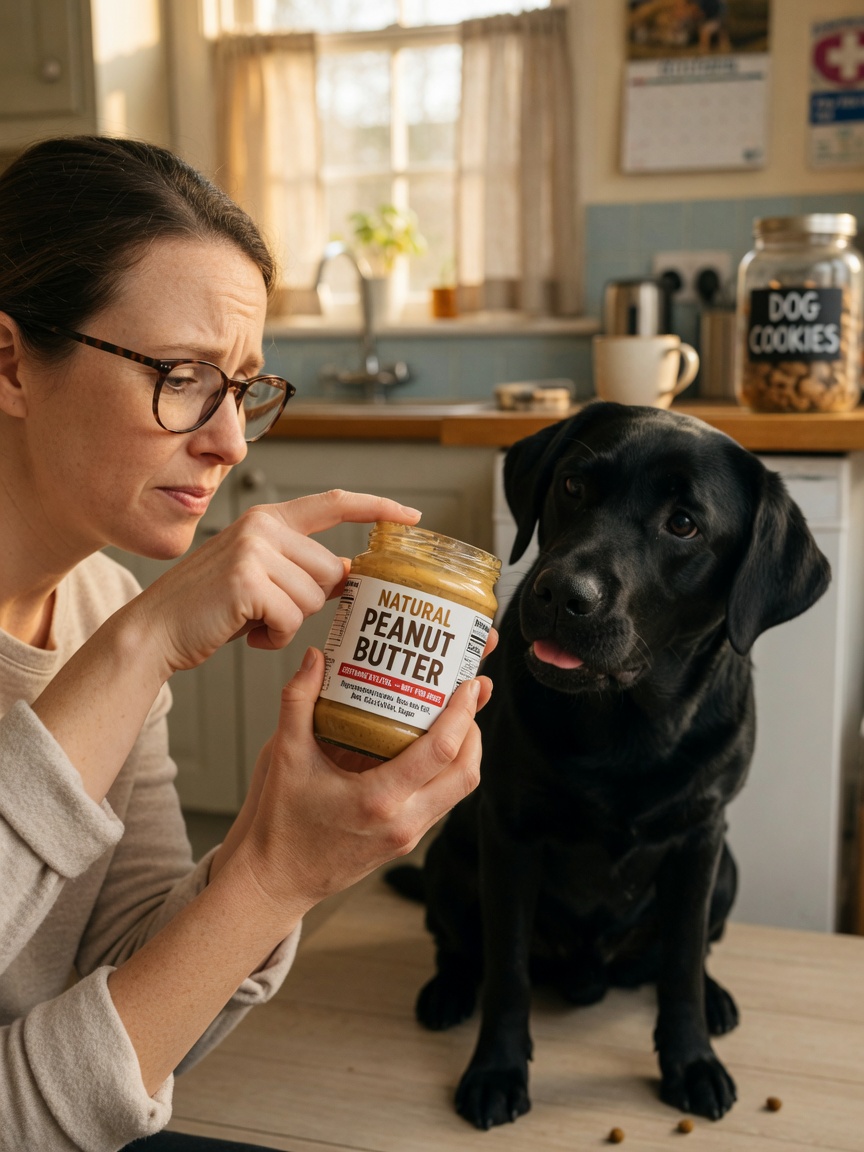
Dog owner reading peanut butter jar label carefully while black Labrador waits nearby

The most dangerous concern regarding peanuts and peanut butter for dogs is xylitol, an artificial sweetener used in some "sugar-free" products. Xylitol is highly toxic to dogs and can cause severe hypoglycaemia (low blood sugar), liver damage, and even death.

Always check peanut butter labels carefully. If xylitol appears in the ingredient list, do not give it to your dog under any circumstances. Some brands that market themselves as healthy or sugar-free options are particularly likely to contain this harmful sweetener. When in doubt, contact the manufacturer or consult your veterinarian.

Nutritional Considerations and Portion Control

Peanuts are calorie-dense and high in fat, which can contribute to obesity and pancreatitis in dogs, particularly in smaller breeds or those prone to weight gain. A single peanut contains approximately 5 calories, so even a small handful can represent a significant portion of a small dog's daily calorie allowance.

As a general rule, treats should comprise no more than 10 per cent of your dog's daily caloric intake. For most dogs, this means occasional peanuts rather than regular snacking. Additionally, peanuts can be difficult to digest for some dogs, potentially causing gastrointestinal upset.

Allergies and Individual Sensitivities

Although uncommon, some dogs can develop peanut allergies. Signs of an allergic reaction include itching, swelling of the face or mouth, vomiting, diarrhoea, or difficulty breathing. If you're introducing peanuts for the first time, start with a tiny amount and monitor your dog closely for several hours.

Dogs with sensitive stomachs or those with a history of pancreatitis should avoid peanuts altogether, as the high fat content can trigger digestive issues or inflammation.

Safer Alternatives to Consider

If you're looking for nutritious treats to reward your dog, several safer options exist:

  • Plain carrots or apple slices (remove seeds)
  • Green beans
  • Watermelon (seedless)
  • Plain cooked chicken or turkey
  • Pumpkin

Key Takeaways for Pet Owners

Plain, unsalted peanuts can be given to most dogs occasionally, but they shouldn't be a regular part of their diet. Always prioritise safety by checking labels for xylitol, considering your dog's weight and health status, and offering only small quantities. When in doubt, consult your veterinarian before introducing any new food to your pet's diet. Your dog's health and wellbeing should always come first.

```
#are peanuts safe for dogs things all pet owners must know#dog health#dog nutrition#forpetshealthcare

Sources & further reading

This article is based on peer-reviewed veterinary research and reputable animal-health sources. Explore the underlying science in our Research Library.

Related articles

The 19 Best Animal Shelters in the Netherlands (2026)

the Netherlands's animal shelters, rescue associations and refuges save thousands of dogs, cats and other animals every year, almost always on tiny budgets and volunteer power. To build the most objective ranking possible, we analysed public Google reviews across more than 56 registered animal-prote…

Read more →

The 25 Best Animal Shelters in Italy (2026)

Italy's animal shelters, rescue associations and refuges save thousands of dogs, cats and other animals every year, almost always on tiny budgets and volunteer power. To build the most objective ranking possible, we analysed public Google reviews across more than 121 registered animal-protection org…

Read more →

The 48 Best Animal Shelters in Germany (2026)

Germany's animal shelters, rescue associations and refuges save thousands of dogs, cats and other animals every year, almost always on tiny budgets and volunteer power. To build the most objective ranking possible, we analysed public Google reviews across more than 152 registered animal-protection o…

Read more →

The 32 Best Animal Shelters in France (2026)

France's animal shelters, rescue associations and refuges save thousands of dogs, cats and other animals every year, almost always on tiny budgets and volunteer power. To build the most objective ranking possible, we analysed public Google reviews across more than 89 registered animal-protection org…

Read more →

The 8 Best Animal Shelters in Portugal (2026)

Portugal's animal shelters, rescue associations and municipal centros de recolha save thousands of dogs, cats and other animals every year, almost always on tiny budgets and volunteer power. To build the most objective ranking possible, we analysed public Google reviews across more than 86 registere…

Read more →

Sphynx Cat Skin care and hygiene: Causes, Signs & Care

Sphynx cats have little to no coat, which means the skin itself takes on jobs that fur normally does — insulation, oil dispersal, and barrier protection — leaving it prone to greasiness, blocked pores, fungal infections, and sunburn. The single most important thing to know is that a Sphynx's skin ne…

Read more →
Disclaimer:This article is for informational purposes only and does not constitute veterinary advice. Always consult a qualified veterinarian for your pet's health concerns.

Free newsletter

Pet health tips, straight to your inbox

Weekly science-backed advice for dog & cat owners. No spam, unsubscribe anytime.