

I Bulldog Francesi sono tra le razze più soggette a problemi di pelle e allergie, soprattutto a causa delle loro profonde pieghe facciali, della barriera cutanea sensibile e della predisposizione genetica alla dermatite atopica. Se c'è una cosa da ricordare, è questa: il prurito persistente, il rossore o l'odore in un Frenchie non è mai "solo normale per la razza" — solitamente segnala una condizione sottostante curabile, e riconoscerla presto rende la gestione molto più facile e economica.
Perché i Bulldog Francesi Sono Soggetti a Problemi di Pelle
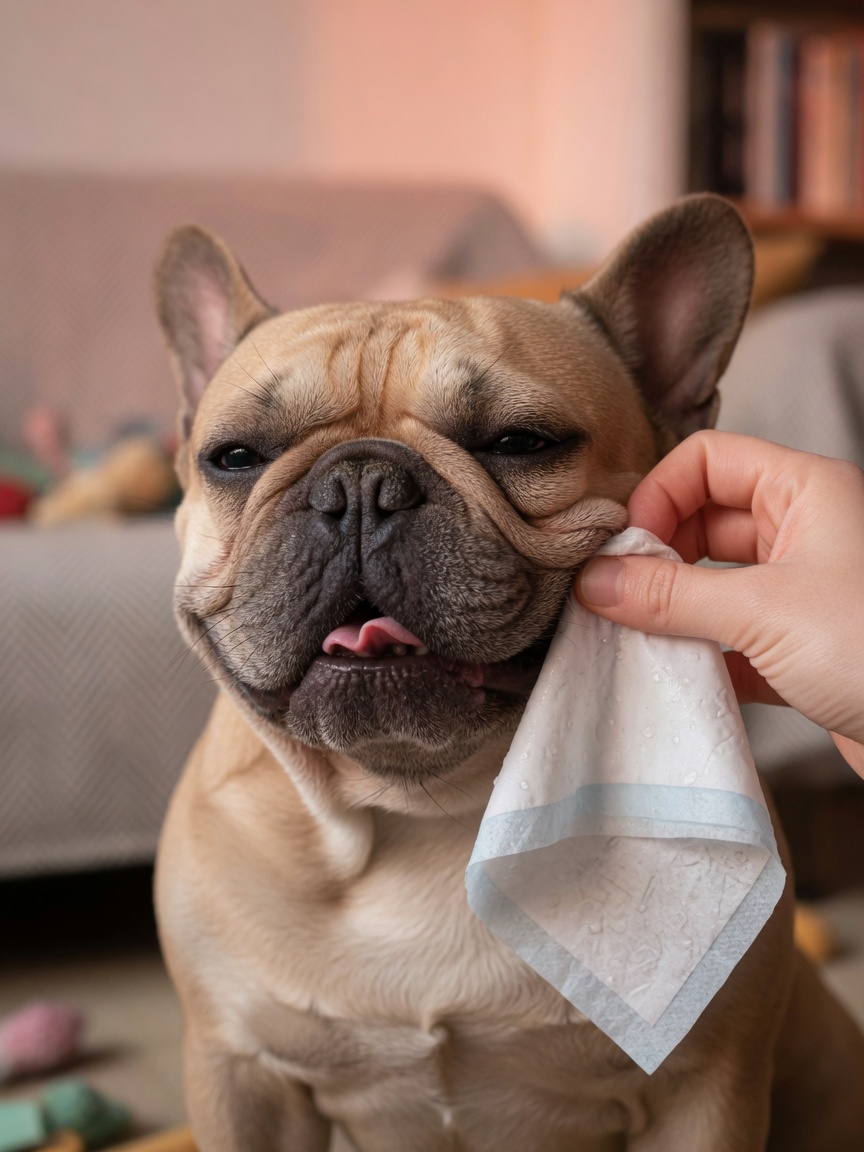
L'aspetto distintivo del Bulldog Francese è parte del problema. Le loro pieghe di pelle, in particolare intorno al viso, al naso e talvolta alla coda, intrappolano umidità, calore e detriti, creando un ambiente ideale per la moltiplicazione di batteri e lieviti. Questo porta a una condizione nota come intertrigo, o dermatite da piega, che causa rossore, irritazione e odore sgradevole se non pulita regolarmente.
Oltre alle pieghe, i Bulldog Francesi sono geneticamente predisposti alla dermatite atopica, una condizione allergica della pelle scatenata da allergeni ambientali come polline, acari della polvere e muffe. La loro barriera cutanea tende a essere meno robusta rispetto a molte altre razze, consentendo agli allergeni e agli irritanti di penetrare più facilmente e scatenare l'infiammazione. Questo è aggravato da una tendenza verso reazioni cutanee legate al cibo in alcuni individui, anche se le vere allergie alimentari sono meno comuni di quelle ambientali.
La loro forma corporea aggiunge ulteriori complicazioni. L'eccessiva rugosità, un mantello corto e denso, e la tendenza al sovrappeso aumentano tutti l'attrito, intrappolano il calore e riducono la circolazione d'aria alla pelle. Combinato con la loro anatomia brachicefalica — che può causare surriscaldamento e un aumento del leccare o mordere le aree pruriginose a causa del disagio — questa razza affronta una tempesta perfetta di fattori di rischio per la malattia cutanea cronica. Se stai considerando la razza o già condividi la tua vita con uno, vale la pena leggere la guida alla razza del Bulldog Francese per capire come questi tratti si collegano a considerazioni sanitarie più ampie.
Segni e Sintomi Iniziali da Osservare
Poiché la malattia della pelle nei Bulldog Francesi è spesso cronica e a sviluppo lento, il riconoscimento precoce è importante. Osserva:
- Rossore o scurimento della pelle, in particolare nelle pieghe facciali, ascelle, inguine e tra le dita
- Prurito persistente, leccamento o mordicchiamento di zampe, fianco o base della coda
- Un odore sgradevole, di lievito o di muffa, in particolare dalle pieghe della pelle o dalle orecchie
- Macchie di pelle grassa o squamosa
- Infezioni ricorrenti dell'orecchio (scuotimento della testa, grattamento dell'orecchio, secrezione)
- Assottigliamento dei capelli o perdita a chiazze
- Strofinamento del viso su mobili o moquette
- Punti caldi infiammati e rossi che compaiono all'improvviso e si diffondono rapidamente
I riacutizzazioni stagionali (peggiori in primavera/estate) spesso indicano allergie ambientali, mentre i sintomi durante tutto l'anno possono suggerire sensibilità al cibo, dermatite da piega o un'infezione secondaria che è diventata cronica.
Quando i Problemi di Pelle Diventano un'Emergenza
La maggior parte delle condizioni cutanee nei Bulldog Francesi sono scomode piuttosto che pericolose per la vita, ma alcune situazioni richiedono l'attenzione veterinaria tempestiva:
- Punti caldi che si diffondono rapidamente con pus visibile, sanguinamento o pelle cruda e che essuda
- Segni di infezione grave: febbre, letargia o un odore terribile insieme a gonfiore
- Gonfiore facciale o orticaria che suggerisce una possibile reazione allergica acuta
- Prurito estremo e incontrollabile che porta a auto-trauma e ferite aperte
- Segni di dolore quando l'area interessata viene toccata
Se noti uno di questi, non aspettare un appuntamento di routine — la valutazione veterinaria nello stesso giorno è più sicura, poiché le infezioni batteriche secondarie possono peggiorare rapidamente, specialmente nelle pieghe della pelle calde e umide.
Come i Veterinari Diagnosticano i Problemi di Pelle nei Bulldog Francesi
La diagnosi di solito inizia con una storia completa e un esame fisico, inclusa la verifica delle aree con pieghe, orecchie e zampe. I veterinari spesso chiederanno informazioni sulla dieta, la prevenzione delle pulci, i modelli stagionali e quanto tempo i sintomi sono stati presenti.
Gli strumenti diagnostici comuni includono:
- Raschiature cutanee e citologia per verificare la presenza di acari, batteri o lieviti
- Culture fungine se si sospetta la tigna
- Prove di dieta di eliminazione che durano diverse settimane per identificare i possibili fattori scatenanti correlati al cibo
- Test allergologici (intradermici o basati sul sangue) nei casi di sospetta atopia ambientale, solitamente una volta che le infezioni e i parassiti sono stati esclusi
- Esami dell'orecchio poiché le allergie dell'orecchio e della pelle spesso vanno di pari passo
Vale la pena notare che i test allergologici identificano i fattori scatenanti per aiutare con l'evitamento e la pianificazione del trattamento — non "curano" la dermatite atopica, che è tipicamente una condizione da gestire per tutta la vita piuttosto che da eliminare.
Opzioni di Gestione e Trattamento
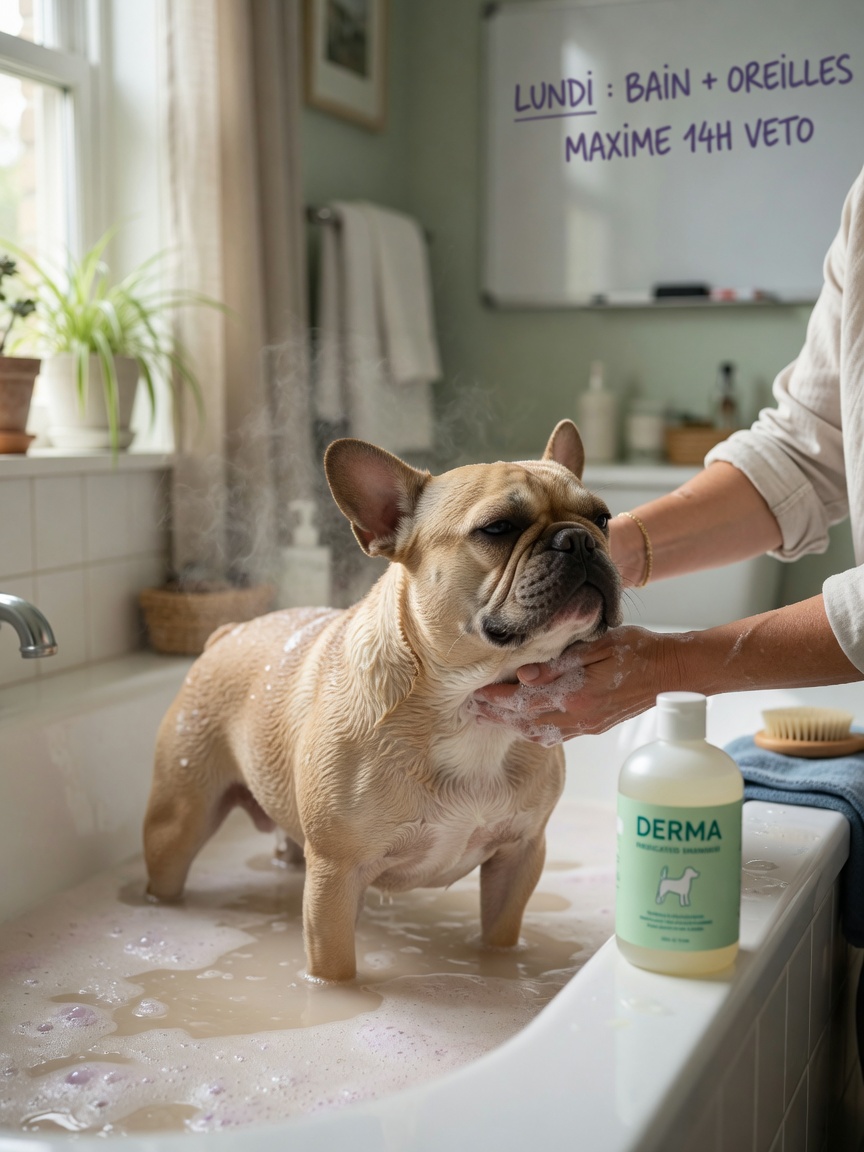
Il trattamento dipende molto dalla causa sottostante, ma spesso coinvolge una combinazione di approcci:
- Igiene della piega: Pulizia regolare e asciugatura accurata delle pieghe facciali e caudali utilizzando salviettine consigliate dal veterinario o soluzioni antisettiche diluite
- Shampoo medicati contenenti clorexidina o agenti antifungini per la crescita eccessiva batterica o da lievito
- Trattamenti topici per punti caldi localizzati o infezioni
- Farmaci anti-prurito orali o iniettabili prescritti da un veterinario, che possono migliorare significativamente la qualità della vita per chi soffre di allergie
- Diete su prescrizione se è sospettato o confermato un componente alimentare
- Immunoterapia (vaccini per allergie) per la gestione a lungo termine dell'allergia ambientale in alcuni cani
- Prevenzione continua delle pulci e dei parassiti, poiché la dermatite allergica da pulce può peggiorare o imitare altre condizioni cutanee
Poiché la malattia della pelle del Bulldog Francese è spesso multifattoriale, molti cani hanno bisogno di una combinazione di terapie piuttosto che di un singolo approccio.