
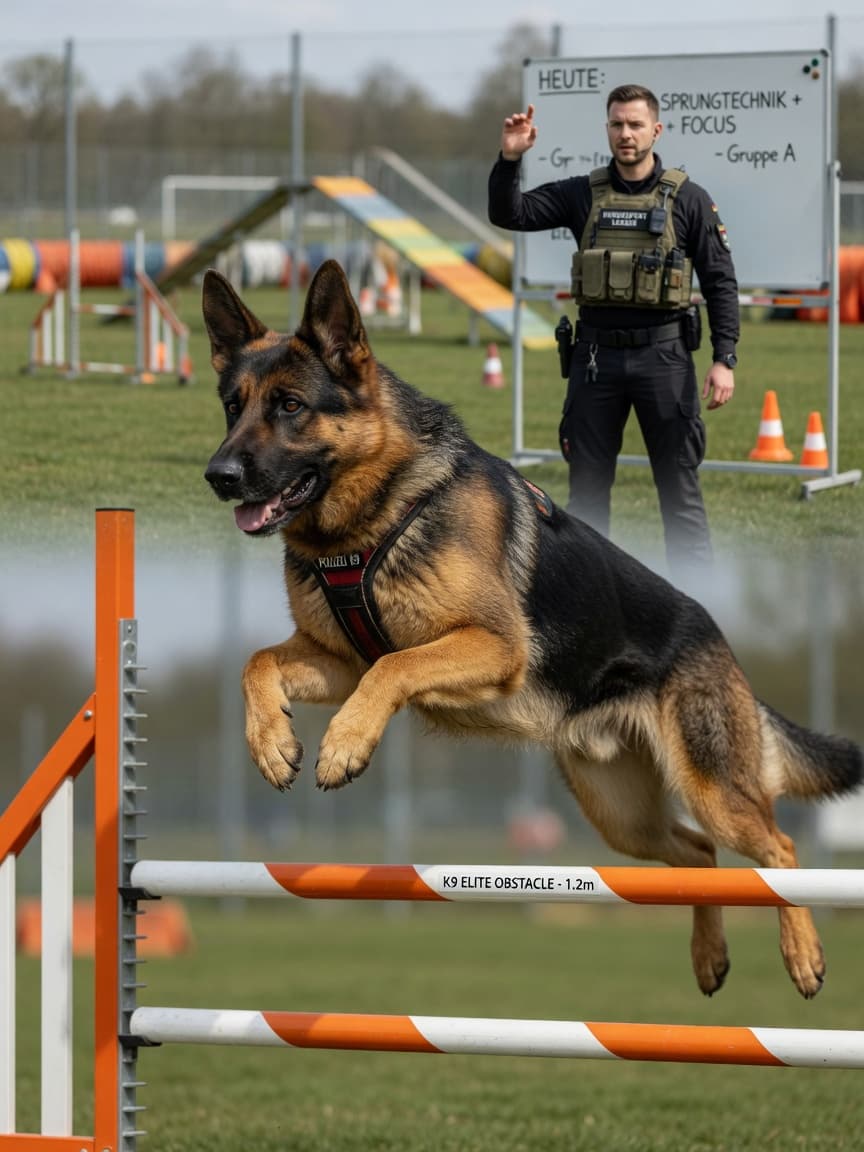
When the Dog Was Built for a Job That Never Ends
A Belgian Malinois kept as a family pet without adequate physical and cognitive stimulation is not merely a bored dog — it is a dog whose biology is working against its environment. Working breeds are not simply energetic versions of companion dogs. They are physiologically and neurologically distinct, and their health profile reflects that. Understanding what high-drive working breeds need differently is not optional for their owners; it is a welfare imperative.
Defining the Working Dog Category
The term "working breed" covers a broad range of dogs: those in the Kennel Club's Working Group (Dobermanns, Rottweilers, Boxers, Giant Schnauzers), herding breeds often classified separately (German Shepherds, Belgian Malinois, Border Collies), and purpose-bred dogs used in police, military, search and rescue, and detection roles. What they share is a high work drive, significant physical capability, and a nervous system calibrated for sustained arousal and task completion. That combination creates health needs that differ meaningfully from the average companion breed.
Musculoskeletal Health Under Pressure
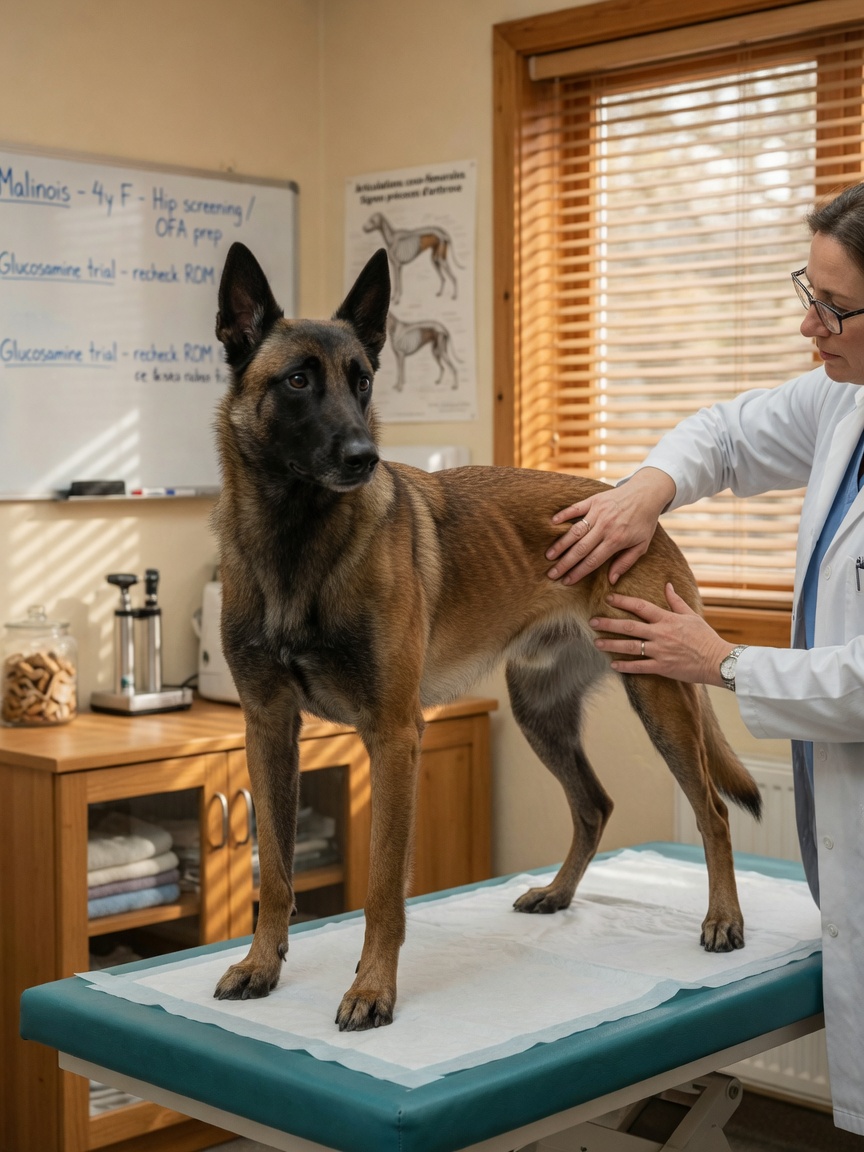
Working breeds put their bodies under mechanical stress that companion dogs rarely experience. This creates both acute injury risks and chronic degenerative conditions that owners and handlers need to manage proactively.
Hip and Elbow Dysplasia
Hip dysplasia is arguably the defining inherited health challenge across the working dog category. German Shepherds, Rottweilers, and Bernese Mountain Dogs show some of the highest prevalence rates of any breeds. Elbow dysplasia — encompassing fragmented coronoid process, osteochondrosis, and ununited anconeal process — causes forelimb lameness and early arthritis, and is well documented in Labradors, Rottweilers, and Bernese Mountain Dogs used in working roles. For dogs in active service, the progression from subclinical dysplasia to career-ending pain can be rapid under load. Screening breeding stock and monitoring working dogs' gait and recovery after exercise is foundational.
Degenerative Myelopathy
Degenerative myelopathy (DM) is a progressive neurological disease affecting the spinal cord, resulting in hindlimb weakness and eventual paralysis. The German Shepherd is heavily represented in DM cases, and a genetic mutation (in the SOD1 gene) now allows DNA testing of breeding animals. There is no treatment that reverses the disease, but early physiotherapy and hydrotherapy can maintain quality of life and mobility for a meaningful period.
Cardiac Health in Working Breeds
Several working breeds carry elevated cardiac risk that can go undetected without screening. Dilated cardiomyopathy (DCM) is the most significant, affecting Dobermanns with particular severity. Dobermann DCM is often silent in early stages — sudden death can be the first clinical sign in unsuspected cases. Holter monitoring (24-hour ECG) is the current gold standard for early detection in the breed, and annual cardiac assessment from middle age is strongly recommended. Boxers carry a distinct arrhythmogenic condition called Boxer cardiomyopathy (arrhythmogenic right ventricular cardiomyopathy), which also presents with sudden collapse or death and requires specialist cardiological management.
Nutritional and Metabolic Demands That Differ from Companion Dogs
A working dog's nutritional requirements are not simply "more of the same." The demands differ in kind, not just quantity.
Energy Substrate and Protein Requirements
Dogs performing sustained aerobic work — distance patrol, search and rescue, sled pulling — metabolise fat as a primary fuel source during extended activity. Diets higher in fat and protein support this better than high-carbohydrate formulations. Dogs in explosive, high-intensity roles (protection sport, agility) have different requirements again, with glucose availability more important for short-burst anaerobic effort. A veterinary nutritionist can tailor dietary guidance to the specific work type.
Joint Support and Recovery
Working dogs recover from training loads with appropriate rest, nutrition, and — for dogs experiencing early degenerative joint changes — veterinary-guided supplementation. Omega-3 fatty acids from marine sources have a documented anti-inflammatory effect on joint tissue, and their inclusion in working dog diets is well supported by evidence. Always discuss supplementation with your vet rather than self-prescribing.
Behavioural Health as a Physical Health Factor
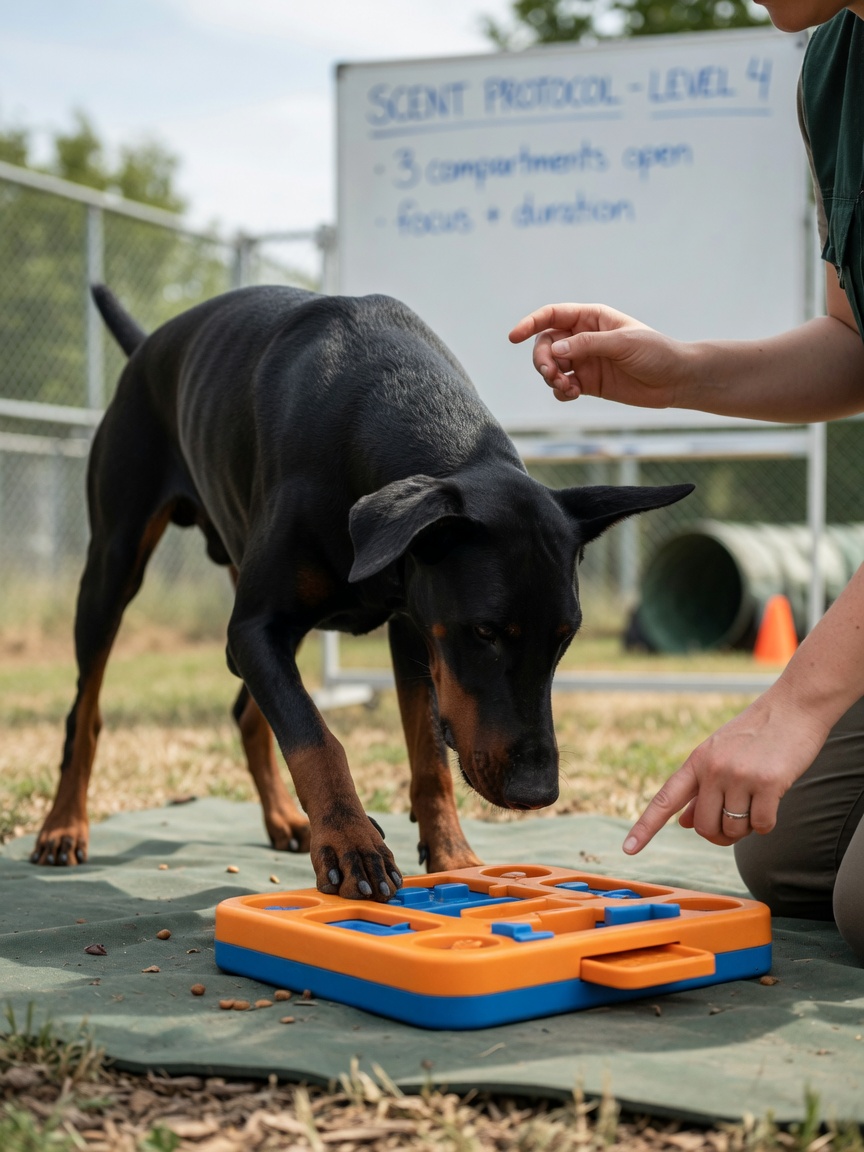
This point is underappreciated: in working breeds, psychological under-stimulation manifests as physical health problems. Chronic stress and frustration elevate cortisol, suppress immune function, and contribute to stereotypic behaviours that cause physical injury — compulsive licking leading to acral lick granulomas, repetitive jumping leading to tendon injury, and barrier frustration leading to tooth fracture. A working breed that is physically healthy but cognitively starved is not a healthy dog. Enrichment, appropriate task engagement, and structured training are not luxuries — they are preventive healthcare for this category of dog.
Practical Guidance for Working Breed Owners and Handlers
- Select breeding stock from health-tested lines: request hip and elbow scores, cardiac clearances, and DM DNA results relevant to your breed before purchase.
- Implement structured warm-up and cool-down protocols around high-intensity exercise — working dogs suppress pain signals during arousal and may injure themselves without noticing.
- Schedule cardiac assessment from middle age in Dobermanns and Boxers, including Holter monitoring if appropriate.
- Work with a veterinary nutritionist to match dietary composition to actual work type and intensity — "working dog food" labels vary enormously in quality and suitability.
- Provide daily cognitive engagement: scent work, training sessions, problem-solving tasks. A bored working dog is a dog at health risk.
- Consult your veterinarian about any changes in gait, recovery time, or willingness to work — these breeds mask pain, and behavioural change is often the earliest sign.
Working breeds are exceptional animals. Meeting their needs requires more than food and exercise — it requires understanding the biology behind the drive, and partnering with veterinary professionals who understand working dog physiology.