
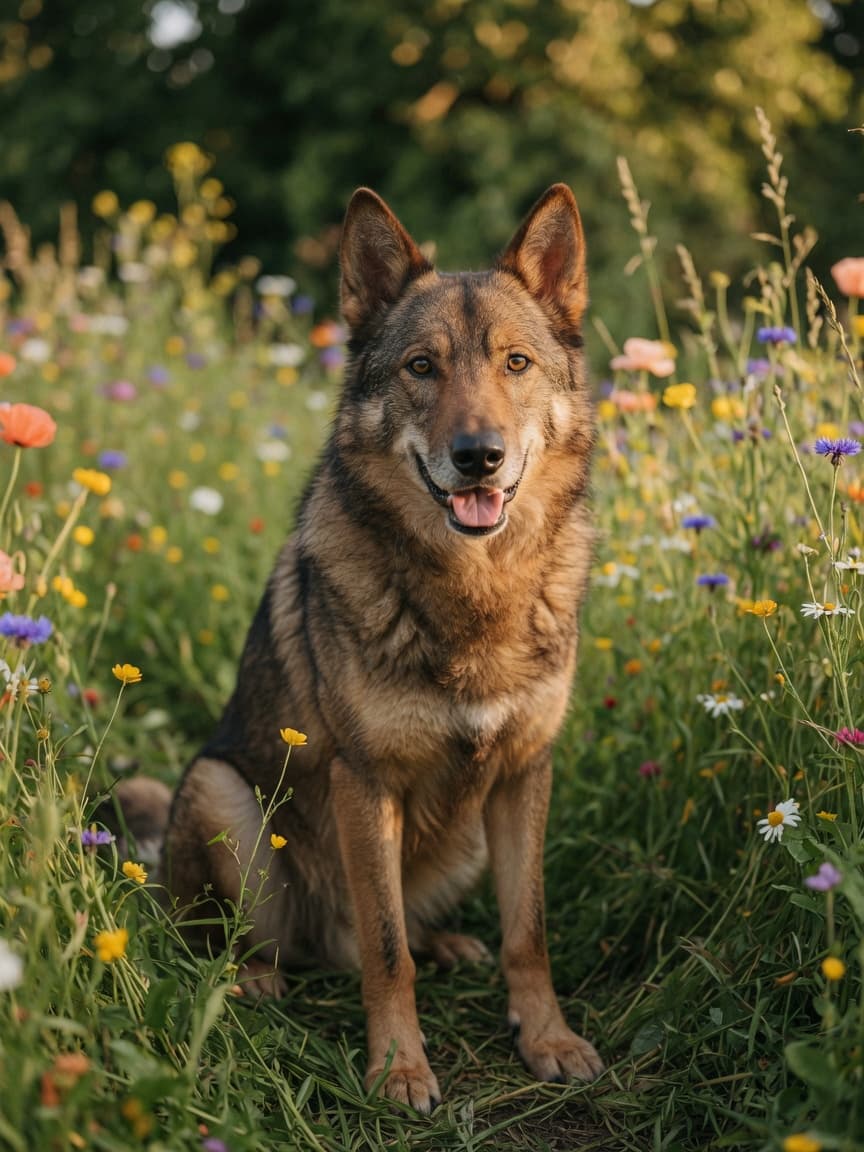
The Wolf at the Door — and Why It Should Stay Outside
Wolves occupy a unique space in human culture. They are simultaneously feared and revered, cast as villains in folklore and celebrated as symbols of wildness and loyalty. This cultural complexity has produced a persistent fascination with wolf ownership — and, more practically, with wolf-dog hybrids, animals bred to carry wolf genetics within a more manageable domestic package. The reality of living with either is far removed from the mythology.
Each year, animal rescue organisations across Europe and North America receive wolf-dogs surrendered by owners who found the reality unmanageable. Understanding why requires looking honestly at wolf biology, behaviour, and the limits of what selective breeding can actually achieve in a single generation.
Defining Wolf-Dog Hybrids
A wolf-dog hybrid is any animal bred from a domestic dog and a wolf, or from successive crosses that introduce wolf genetics into the domestic dog lineage. The term "wolf content" is sometimes used colloquially, with animals described as low, mid, or high content depending on the proportion and recency of wolf ancestry. These designations are largely unregulated and often inaccurate, as genetic testing is not universally required and breeders may misrepresent animals.
High-content wolf-dogs — those with a recent wolf parent or grandparent — behave in ways far closer to wild wolves than to domestic dogs. They are not simply large, unusual-looking dogs. Their instincts, social structures, and communication systems reflect their wild heritage in ways that create genuine challenges for domestic settings.
Legal Landscape
United Kingdom
In England and Wales, pure wolves are covered under the Dangerous Wild Animals Act 1976 and require a licence from the local authority. Wolf-dog hybrids are more legally complex. First-generation crosses (F1) are generally treated as dangerous wild animals. Later generations may fall under the Dangerous Dogs Act if they are deemed to be of a type bred for fighting, though this is rarely applied. The legal ambiguity does not mean wolf-dogs are straightforwardly legal to own — local authorities and courts have considerable discretion.
United States and Europe
In the United States, wolf ownership is banned in most states. Wolf-dog hybrids are legal in some states but banned in others, and many municipalities have their own ordinances regardless of state law. Across continental Europe, regulations vary considerably by country, with some nations treating wolf-dogs as domestic dogs and others applying wildlife legislation. Researching the specific legal position in your jurisdiction is essential, and this is best done in consultation with a legal professional familiar with wildlife law.
Behavioural Realities
Social Structure and Dominance
Wolves are not pack animals in the simplified "alpha dominance" model that popular culture has propagated. Modern wolf ethology describes family-based social structures in which parents lead and offspring follow, with social relationships that are nuanced, context-dependent, and constantly negotiated. Wolf-dogs retain elements of this complexity. Training methods effective with domestic dogs often do not translate, and attempts to apply dominance-based training can trigger defensive aggression.
Prey Drive and Environment
High-content wolf-dogs have an extremely powerful prey drive. This makes them dangerous around small animals, children, and in some contexts adults. Their need for space, mental stimulation, and appropriate social interaction exceeds what most domestic environments can provide. They require secure, large enclosures — standard garden fencing is wholly inadequate — and a level of daily engagement that most owners are not positioned to sustain.
Vocalisation and Noise
Wolves howl. Wolf-dogs howl. This is not a trainable behaviour — it is a fundamental aspect of their communication and social bonding. In residential areas, this creates immediate problems with neighbours, local authorities, and noise regulations.
What Veterinarians Say
The British Veterinary Association and equivalent bodies in most countries advise strongly against private ownership of wolves and high-content wolf-dogs. The concerns are both welfare-based and public safety-based. Wolf-dogs are frequently abandoned when owners cannot manage them, and they are extremely difficult to rehome. Sanctuaries specifically for wolf-dogs exist in several countries because the problem of abandoned animals is so consistent.
From a medical standpoint, standard domestic dog vaccine protocols may not be licensed for use in wolves or wolf-dogs, creating uncertainty around disease protection. Any veterinary procedure with a wolf-dog is inherently higher-risk due to unpredictability under stress. Always consult a vet with specific exotic canid experience before acquiring such an animal — and take it seriously if they advise you not to proceed.
If the Appeal Is the Wolf, Not the Pet
If your interest in wolves comes from genuine admiration for the species, there are meaningful ways to engage that do not involve private ownership. Wolf conservation organisations across Europe and North America offer adoption schemes, volunteer programmes, and educational visits to sanctuary settings. These options benefit actual wolf conservation and allow meaningful interaction without the ethical and practical problems of ownership.
Summary
- Pure wolf ownership is illegal without a licence in the UK and banned in most US states.
- Wolf-dog hybrid legality varies and is never straightforwardly permissive — always verify local law.
- High-content wolf-dogs behave more like wolves than dogs and require management most owners cannot provide.
- Prey drive, space requirements, vocalisation, and training challenges make domestic ownership problematic.
- Abandonment and welfare failure are consistently documented outcomes of wolf-dog ownership.
- Consult a veterinarian and wildlife law specialist before considering either animal, and support conservation organisations as an ethical alternative.