

If you've noticed your dog is unusually quiet, you're not alone in wondering what's going on. Whether your previously vocal companion has suddenly stopped barking or you've adopted a naturally quiet dog, silence from your furry friend can sometimes signal everything from contentment to health concerns. Understanding the reasons behind your dog's lack of vocalisations will help you determine whether this quiet behaviour is perfectly normal or whether you should consult your veterinarian.
Normal Breed Tendencies and Personality
Not all dogs are vocal by nature, and breed plays a significant role in barking frequency. Some breeds are bred specifically to be independent workers who communicate quietly, whilst others are naturally chatty companions. For instance, Basenji dogs are famous for their inability to bark in the traditional sense, instead making a unique yodel-like sound called a "baroo." Shiba Inus and Akitas are notoriously quiet breeds, whilst Siberian Huskies and Beagles are typically much more vocal.
Beyond breed characteristics, individual personality matters considerably. Some dogs are simply more reserved and observant, choosing to assess situations before vocalising. This quiet demeanour often reflects a dog's temperament and doesn't necessarily indicate a problem. Shy or anxious dogs may also bark less frequently due to their cautious nature.
Laryngeal Issues and Voice Loss
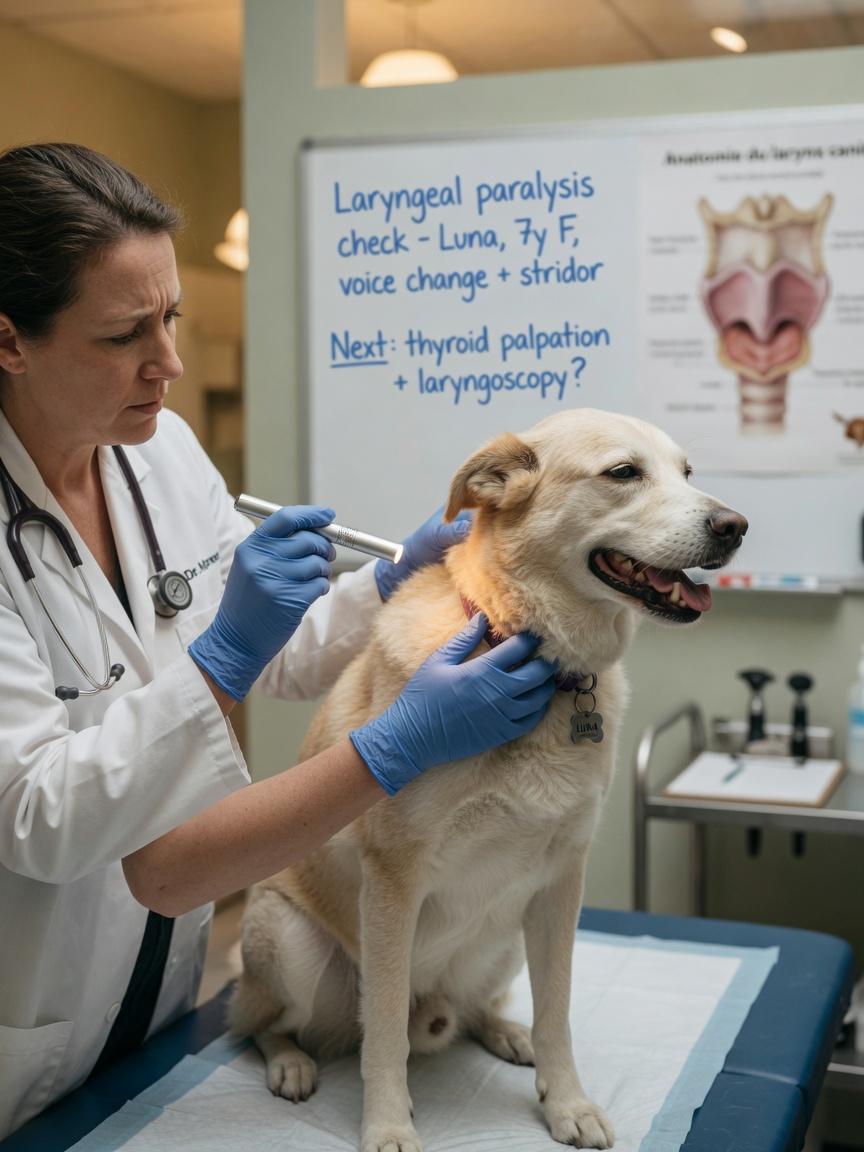
If your dog has recently become quiet when they previously barked regularly, a physical issue may be responsible. Laryngitis, polyps on the vocal cords, or laryngeal paralysis can all result in a loss of voice or significant voice changes. Dogs with these conditions may attempt to bark but produce only a hoarse, squeaky, or silent sound.
These conditions require veterinary attention, particularly if accompanied by:
- Difficulty breathing or laboured panting
- Coughing or gagging
- Difficulty swallowing
- Stridor (a high-pitched breathing sound)
Larger breeds, particularly Labrador Retrievers and German Shepherds, are predisposed to laryngeal paralysis, which commonly develops as dogs age.
Illness, Pain, and Stress Responses

Dogs experiencing illness or chronic pain often become unusually quiet. This behavioural change is sometimes their way of coping with discomfort. Conditions causing fatigue, such as anaemia, thyroid disorders, or heart disease, frequently result in decreased vocalisations alongside reduced activity.
Additionally, extreme stress or anxiety can cause dogs to become withdrawn and silent. Major life changes—such as moving house, loss of a companion, or traumatic experiences—may temporarily suppress a dog's normal barking behaviour as they cope psychologically.
Training and Environmental Factors
Sometimes lack of barking reflects successful training or environmental circumstances. Dogs raised in quiet households or trained specifically to minimise barking may naturally vocalise less than other dogs. Positive reinforcement training that rewards calm behaviour can result in genuinely quieter dogs.
The environment matters too. Dogs living in harmonious, stable homes with satisfied needs tend to bark less than those in stressful or understimulating environments.
When to Contact Your Veterinarian
Schedule a veterinary appointment if your dog's lack of barking is accompanied by:
- Sudden change in vocalisations (previously vocal dog becomes silent)
- Visible signs of illness or lethargy
- Weight loss or appetite changes
- Breathing difficulties
- Changes in other behaviour patterns
Key Takeaways
A quiet dog isn't automatically a problem. Breed predisposition, personality, and training all influence barking frequency. However, sudden changes in your dog's vocalisations warrant investigation. Trust your instincts—if something feels different about your dog's silence and it's accompanied by other behavioural or physical changes, your veterinarian is best equipped to evaluate their health and wellbeing. Remember, every dog communicates differently, and silent companionship can be just as rewarding as a vocal one.