
How Much Is Too Much
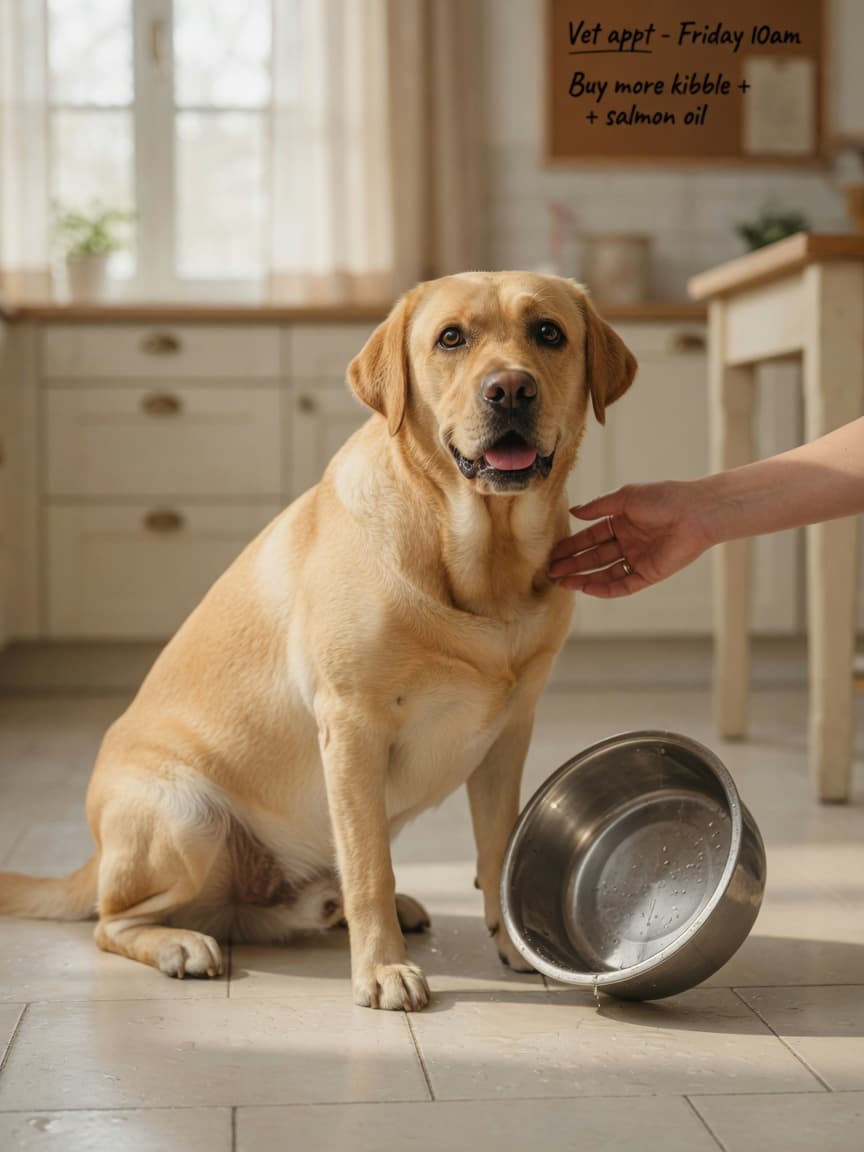
A healthy adult dog typically drinks between 50 and 100 millilitres of water per kilogram of body weight per day. A 10 kg dog consuming more than a litre daily, or a 30 kg dog consistently emptying a bowl that previously lasted two days, is showing a pattern worth taking seriously. Excessive water consumption, known as polydipsia, is a clinical sign rather than a diagnosis. It almost always occurs alongside increased urination, because the two are physiologically linked. Identifying which came first can actually help your vet narrow down the cause.
Conditions That Commonly Cause Polydipsia
Diabetes mellitus
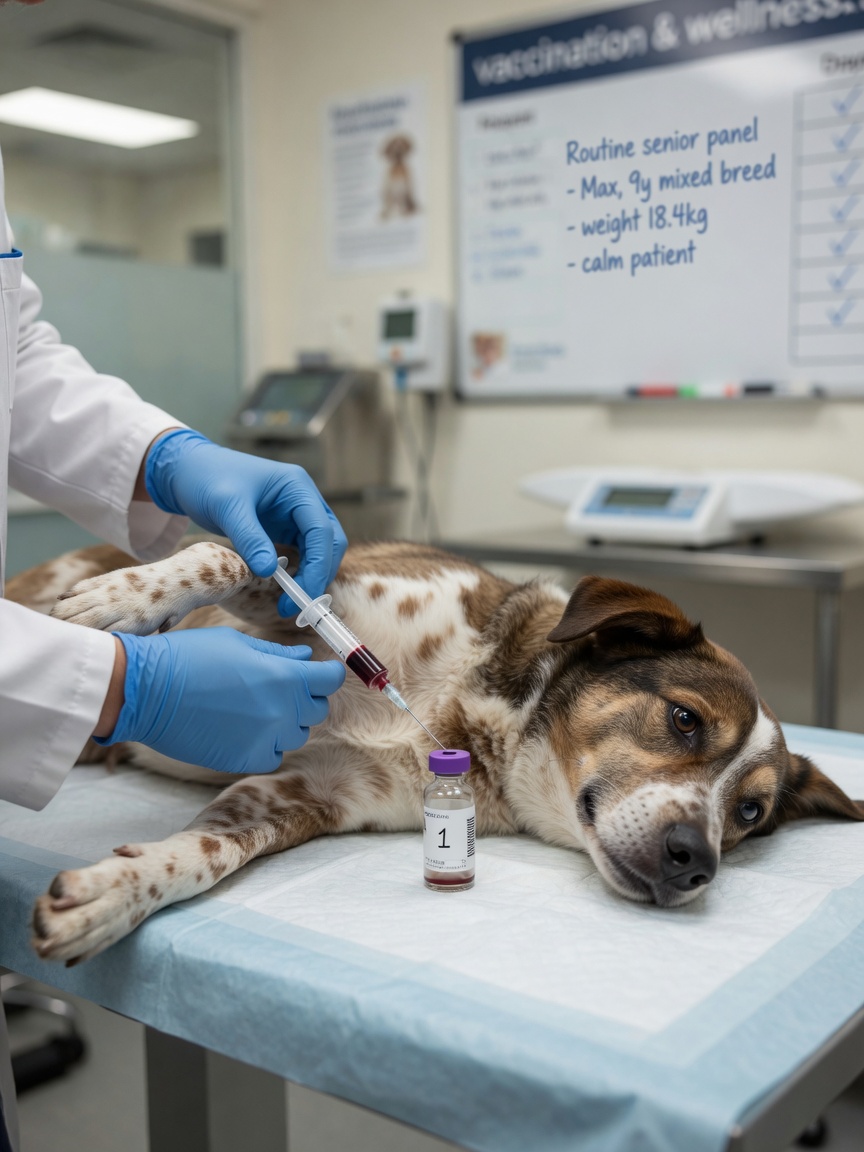
High blood glucose from insufficient or ineffective insulin causes glucose to spill into the urine, drawing water with it through osmosis. The dog loses large volumes of urine and compensates by drinking heavily. Weight loss despite a good or increased appetite is a characteristic accompaniment. Diagnosis is made through blood and urine glucose measurements. Insulin therapy and dietary adjustment are the mainstays of management, and many diabetic dogs live well for years with appropriate care.
Chronic kidney disease
Diseased kidneys lose the ability to concentrate urine efficiently, meaning the dog must produce larger volumes to eliminate the same quantity of waste. The resulting fluid loss triggers thirst. Chronic kidney disease is most common in older dogs and is frequently detected incidentally on routine blood panels before obvious symptoms develop. Management focuses on slowing progression through diet, fluid support, and medications that reduce the kidneys' workload.
Cushing's disease (hyperadrenocorticism)
Overproduction of cortisol, most commonly from a pituitary tumour, drives a classic cluster of signs: dramatically increased thirst and urination, increased appetite, a pot-bellied appearance, hair loss, and lethargy. Polydipsia in Cushing's can be striking, with some dogs drinking several times their normal volume. Diagnosis involves specific hormonal tests. Medical management with licensed medications is effective for many dogs, though pituitary-dependent Cushing's requires lifelong treatment.
Pyometra
Intact female dogs who develop a uterine infection often show marked polydipsia as bacterial toxins impair the kidneys' concentrating ability. Pyometra is a life-threatening emergency. If an unspayed female is drinking excessively, appears lethargic, and has a distended abdomen, emergency veterinary care is required immediately, regardless of whether a discharge is visible.
Liver disease
The liver plays a central role in metabolic regulation and in producing substances that affect kidney function. Hepatic disease frequently causes polydipsia, often alongside jaundice, vomiting, behaviour changes, and abdominal swelling. Blood tests assessing liver enzymes and function, alongside imaging, form the basis of diagnosis.
Hypercalcaemia
Elevated blood calcium interferes with the kidney's response to antidiuretic hormone, reducing the ability to retain water. Causes include certain cancers, primary hyperparathyroidism, and vitamin D toxicity. Polydipsia caused by high calcium typically resolves when the underlying cause is identified and treated.
Behavioural and Environmental Factors
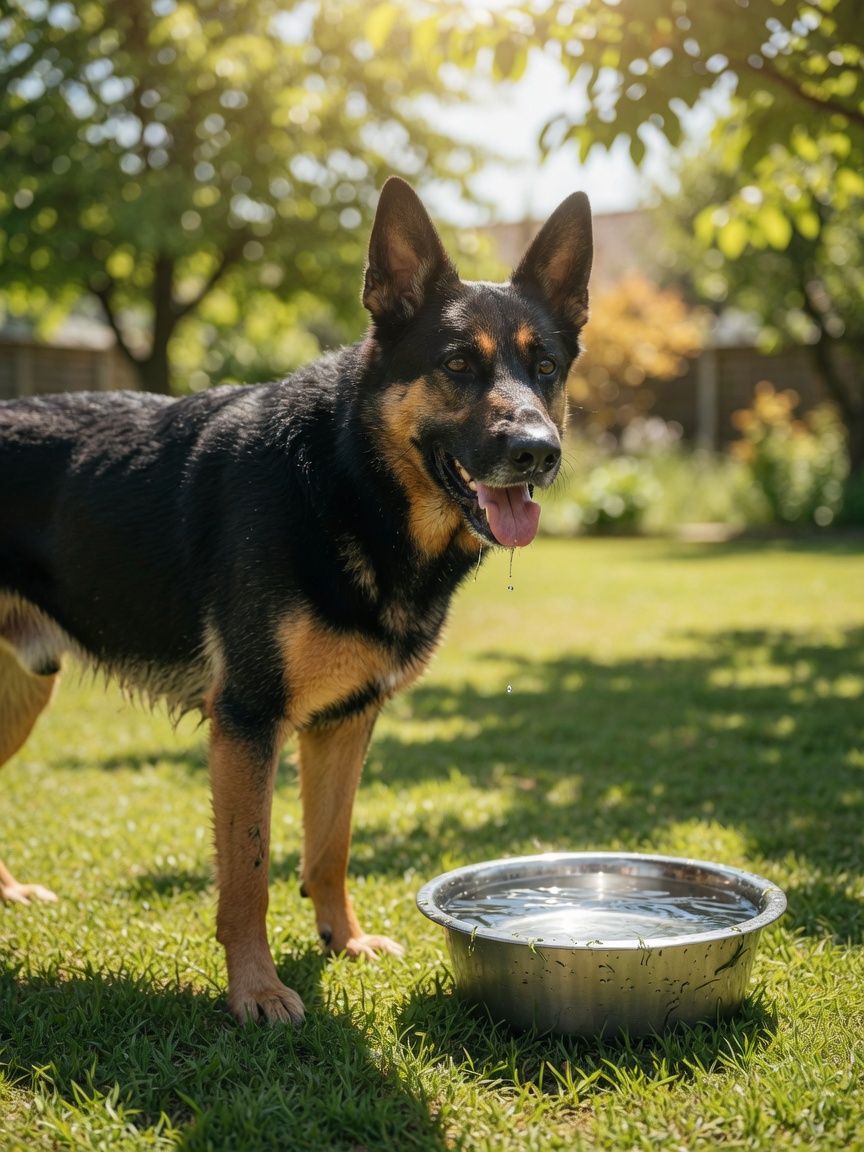
Not all increased water intake reflects disease. Dogs exercising heavily in warm weather legitimately need more water. A change from wet to dry food removes a significant dietary water source and will increase drinking. Certain medications, including steroids and some diuretics, reliably increase thirst as a side effect. Psychogenic polydipsia, where a dog drinks excessively for behavioural reasons, exists but is a diagnosis of exclusion made only after medical causes are ruled out.
How to Monitor and What to Tell Your Vet
Before your appointment, measuring your dog's water intake over 24 hours provides genuinely useful information. Use the same bowl, measure what you add and what remains, and account for any water given separately. Note any associated changes in urination frequency, urine colour, appetite, weight, and behaviour.
- Measure water intake over 24 hours and record the figure in millilitres
- Note whether urination has increased alongside drinking
- Record any recent medication changes, dietary changes, or heat exposure
- Check whether an intact female is showing any other signs of illness
- Do not restrict water access before a vet visit unless specifically instructed to do so
When to Seek Urgent Advice
A sudden, dramatic increase in thirst combined with lethargy, vomiting, abdominal distension, or collapse should prompt same-day veterinary contact. Polydipsia that develops gradually over weeks is also important to investigate promptly, but it rarely constitutes an emergency unless accompanied by deterioration in general condition. Your vet will most likely begin with blood and urine tests, which together can identify or exclude the majority of common causes efficiently. Most conditions that cause polydipsia are treatable, and earlier diagnosis consistently leads to better outcomes.