
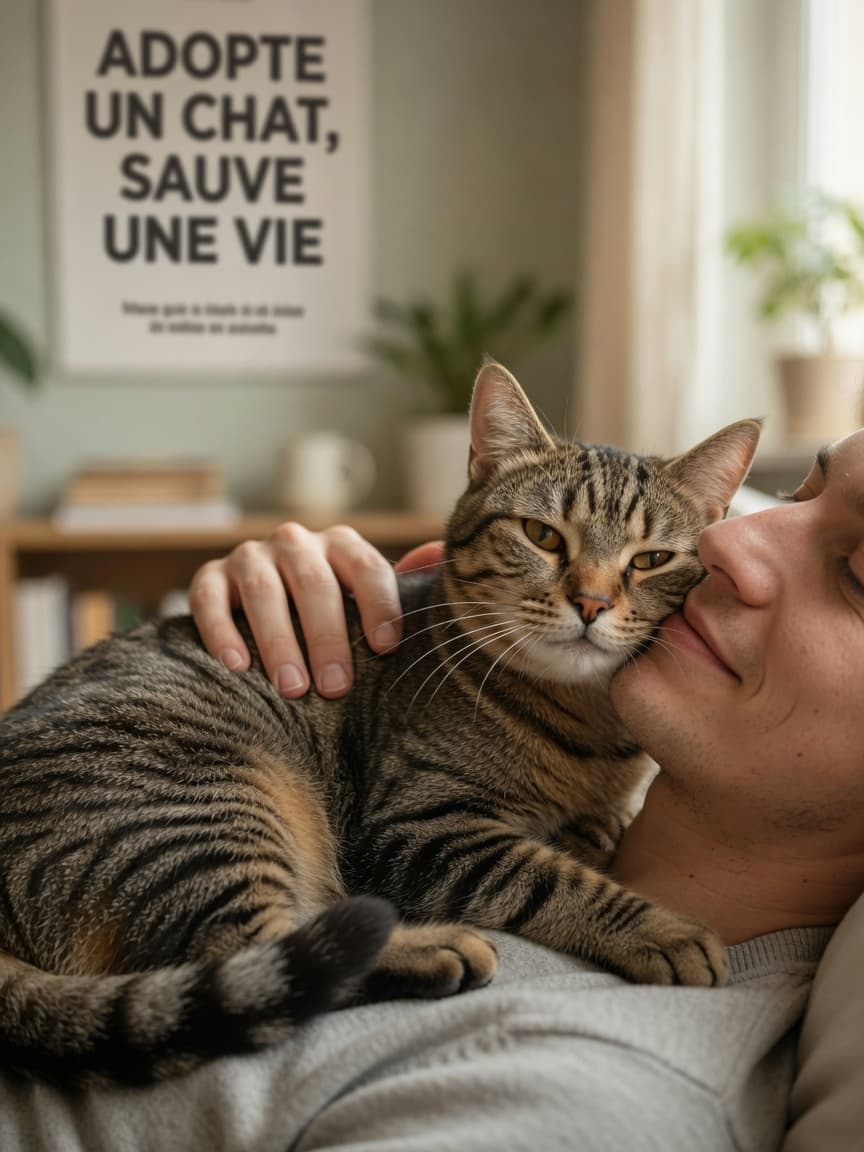
If you've ever experienced your cat rubbing their face, body, or tail against your legs, arms, or face, you've witnessed one of the most affectionate yet mysterious feline behaviours. This seemingly simple gesture is far more complex than it appears, involving scent marking, bonding, and communication. Understanding why your cat rubs against you not only deepens your connection with your pet but also helps you recognise their emotional and physical needs.
The Scent Marking Behaviour
When your cat rubs against you, they're not simply showing affection—they're leaving their scent behind. Cats possess specialised scent glands located on their face, cheeks, chin, flanks, and tail. These glands release pheromones, chemical signals that are invisible to us but incredibly meaningful to your cat.
By rubbing against you, your cat is essentially claiming you as part of their territory and family group. This is a positive behaviour that signifies trust and acceptance. Your cat is saying, "You belong to me, and I belong to you." Understanding this can help you appreciate just how important you are in your cat's life.
Bonding and Social Connection
In multi-cat households or feline colonies, cats rub against one another to strengthen social bonds and create a shared group scent. When your cat rubs against you, they're extending this bonding ritual to their human family member. This behaviour typically increases when cats feel secure and content in their environment.
If your cat frequently rubs against you, it's a genuine compliment. They're integrating you into their social structure and expressing comfort in your presence. This behaviour often intensifies when you've been away, as your cat is re-establishing your connection and reapplying their scent to you.
Communication and Greeting Rituals
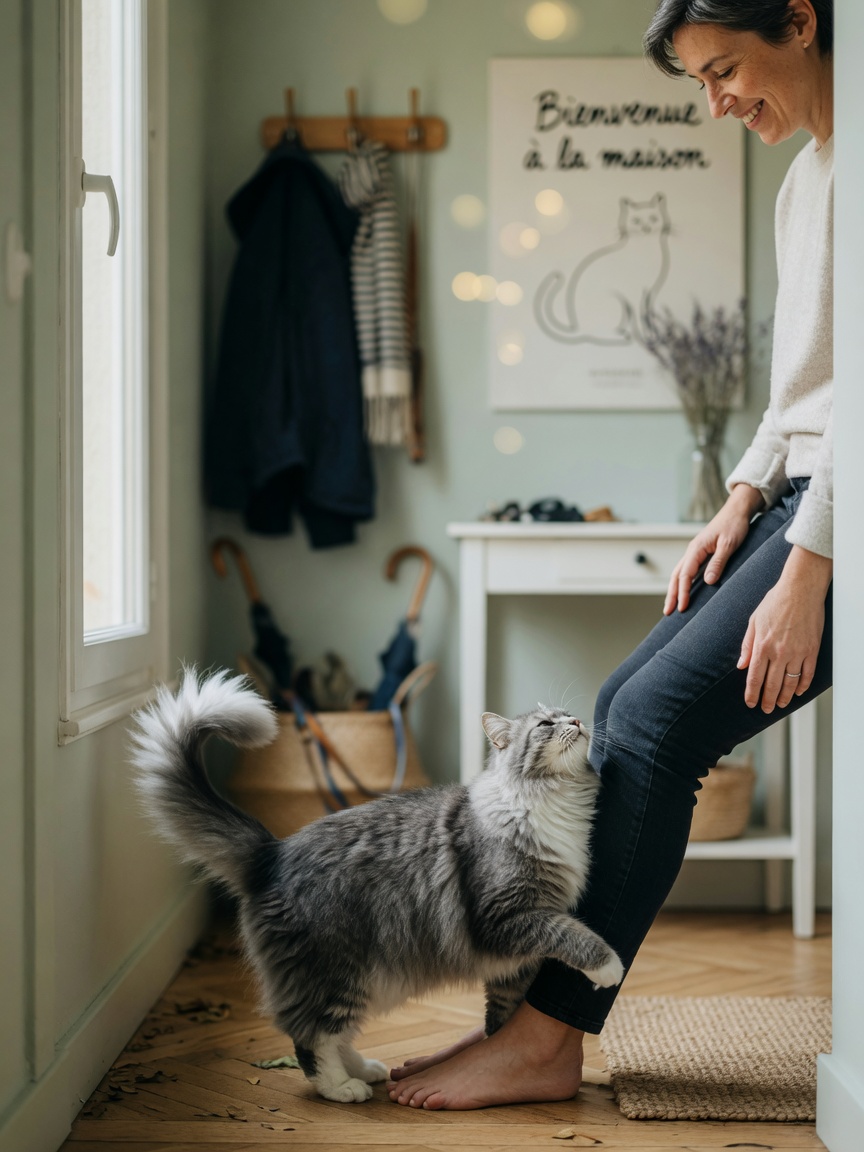
Cats use rubbing as a greeting ritual, similar to how humans might shake hands or hug. When you arrive home or your cat approaches you, rubbing is their way of saying hello and checking in with a family member. Kittens learn this behaviour from their mothers and continue it throughout their lives.
- Rubbing against your legs upon arrival home indicates recognition and welcoming
- Face rubbing on your hands or face shows particular affection and trust
- Slow, deliberate rubbing along your body suggests contentment and relaxation
- Intense or repeated rubbing may indicate they want your attention or a particular resource
Signs Your Cat Needs Attention
Whilst rubbing is generally a positive sign, it's worth noting that cats sometimes increase this behaviour when they need something—food, water, or playtime. If your cat's rubbing becomes particularly frequent or intense, check that all their basic needs are being met.
Occasionally, excessive rubbing combined with other symptoms like hair loss, skin irritation, or behavioural changes may indicate stress or a health concern. If you notice such changes, consult your veterinarian to rule out medical issues.
How to Respond to Your Cat's Rubbing
The best response to your cat's rubbing behaviour is gentle interaction. Stroke them softly, offer verbal affection, or simply sit quietly in their presence. Most cats appreciate the acknowledgment that their greeting has been received.
Some cats enjoy rubbing against specific items too—furniture, doorways, or your clothing. This is completely normal and helps them feel secure in their environment. Providing appropriate scratching posts and safe spaces can support this natural behaviour.
Key Takeaways
Your cat's rubbing behaviour is a multifaceted expression of love, trust, and communication. It represents scent marking, bonding, greeting, and social connection all rolled into one endearing gesture. By recognising and responding positively to this behaviour, you're strengthening your relationship with your feline companion and showing them that their affection is valued and reciprocated. Next time your cat rubs against you, take a moment to appreciate the complex emotional and chemical language they're using to tell you they care.