
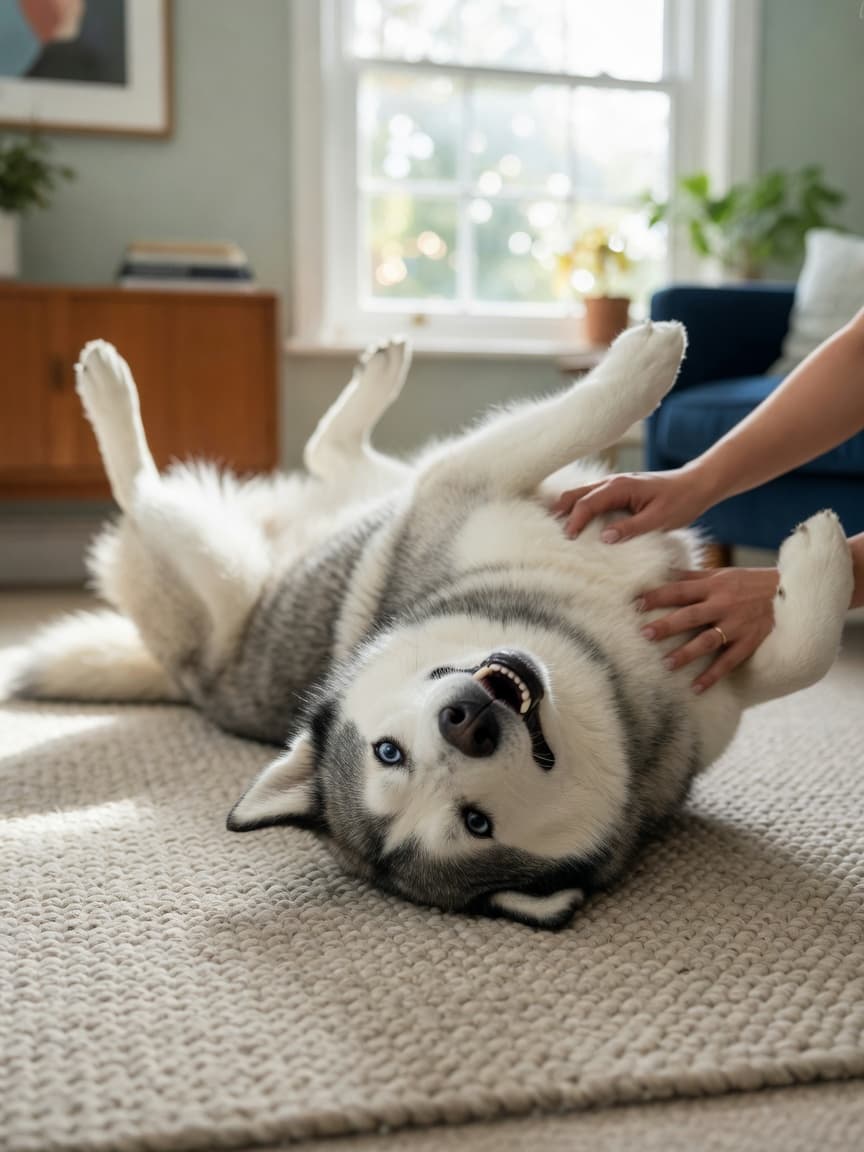
If you've ever owned a Husky or spent time around one, you've likely witnessed their remarkable ability to make even the grumpiest person crack a smile. These magnificent Arctic dogs aren't just stunning to look at—they're comedians wrapped in fur. But what's behind all that humour? From their dramatic vocalisations to their stubborn antics, Huskies possess a unique personality that sets them apart from other breeds. In this article, we'll explore the quirky traits that make Huskies the comedians of the canine world, whilst also understanding how to manage these behaviours for a happy household.
The Theatrical Drama Queens of the Dog World
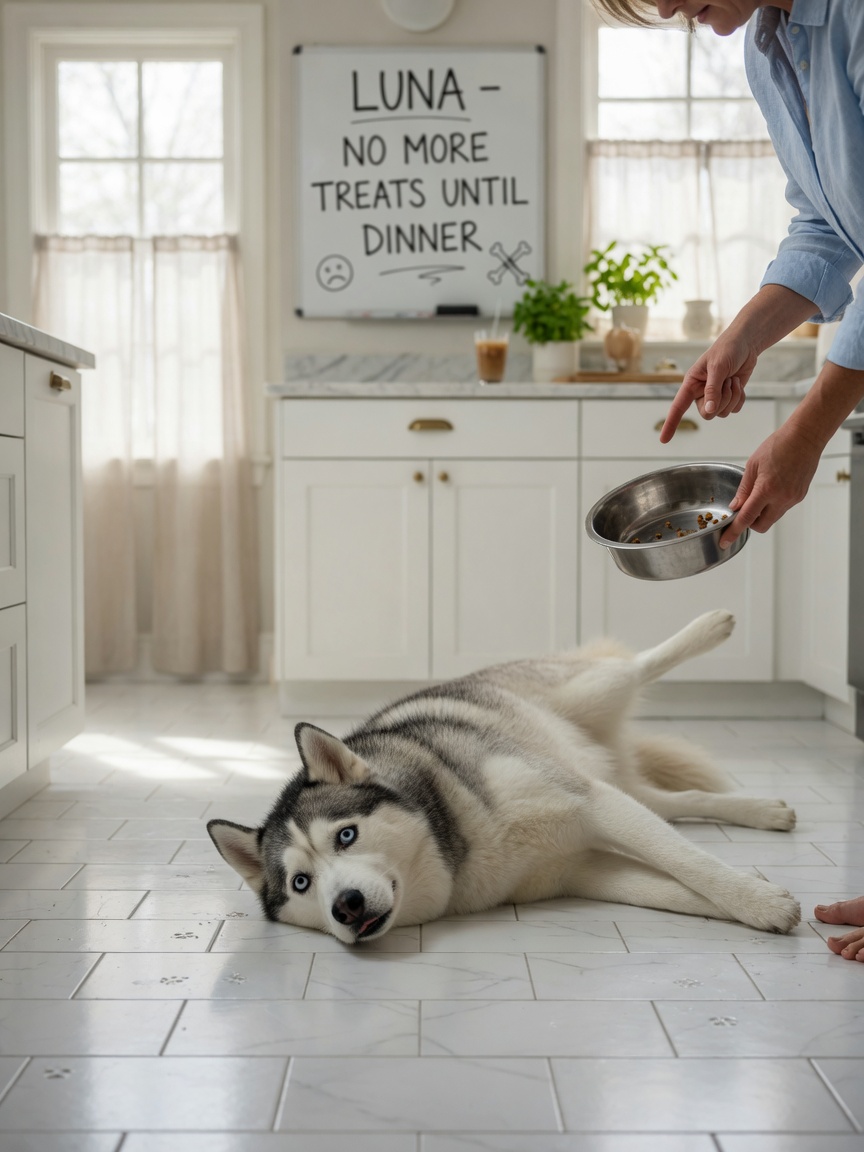
Huskies are renowned for their overdramatic responses to everyday situations. Whether it's mealtime arriving five minutes late or being asked to go outside in the rain, they'll let you know their displeasure through exaggerated sighs, whines, and theatrical collapses. This isn't bad behaviour—it's simply their way of communicating, and it's absolutely hilarious to witness.
Understanding this trait helps you manage it better. Huskies thrive on attention and engagement, so their dramatics are partly a bid for interaction. Provide regular mental stimulation through puzzle toys, training sessions, and interactive play to reduce excessive vocalisation.
The Notorious Escape Artists and Fence Explorers
Huskies earned their reputation as escape artists for good reason. These intelligent, independent dogs will dig under fences, scale barriers, and generally outsmart every containment method you've devised. The funny part? They're not trying to run away permanently—they simply believe the grass (or snow) on the other side is marginally more interesting.
- Ensure your garden fence is at least 1.8 metres tall
- Extend fencing below ground level to prevent digging
- Provide a dedicated digging area filled with sand or soil
- Ensure they have adequate exercise—a bored Husky is an escape artist
Their Peculiar Relationship with Grooming and Cleanliness
Most Huskies absolutely despise baths, yet they seem to attract dirt like magnets. Watching a Husky's resistance to grooming is comedic gold—they'll play dead, reverse away from you, or simply refuse to cooperate. Conversely, many Huskies are fastidiously clean, grooming themselves like cats and avoiding mud puddles.
Grooming is essential for Husky health, particularly during their notorious shedding seasons. Regular brushing twice weekly (and daily during shedding) prevents matting and manages the considerable amount of fur they shed. Start grooming routines when they're puppies to normalise the experience.
The Talking, Howling, and Chattering Chorus
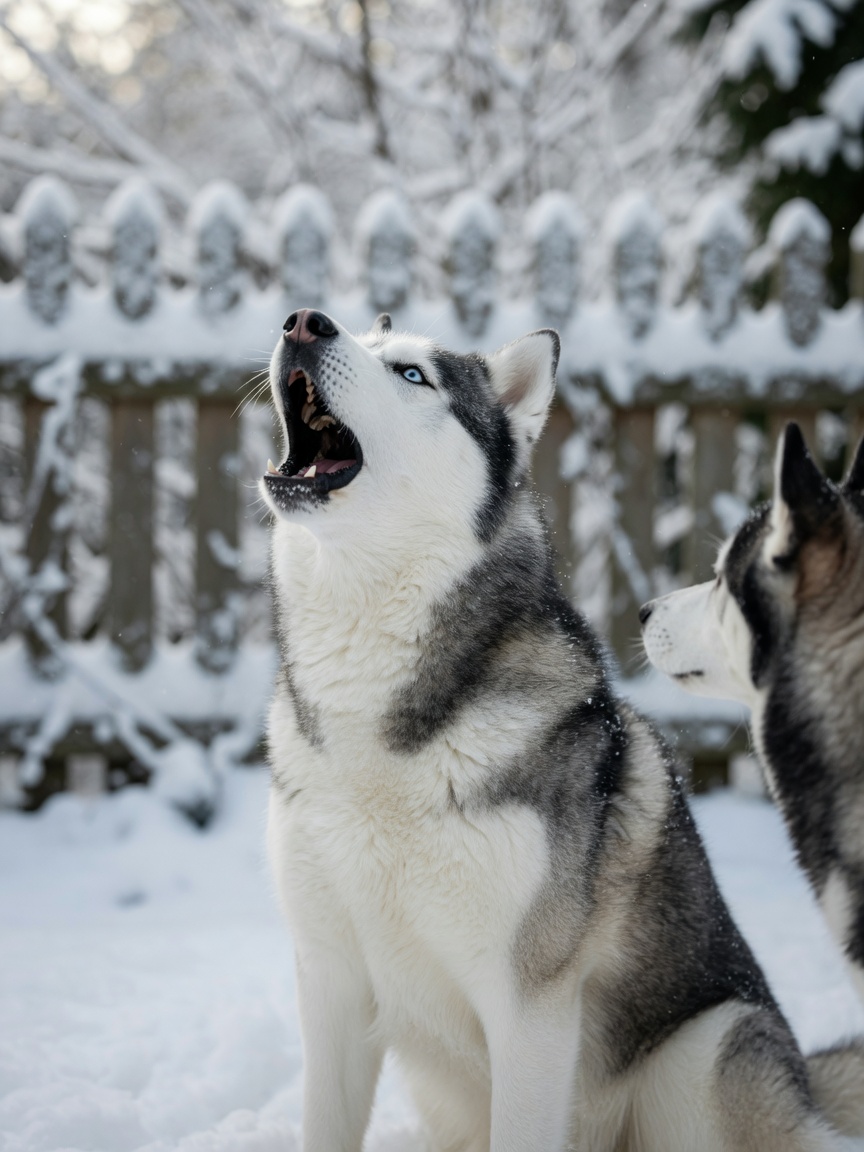
Huskies are vocal dogs—extraordinarily so. They don't just bark; they howl, whine, "talk" in adorable chattering voices, and produce sounds you didn't know dogs could make. This constant commentary on life is endlessly entertaining, though neighbours might disagree.
This vocality stems from their Arctic wolf heritage and pack mentality. Whilst you can't eliminate it entirely, you can manage excessive noise through training, exercise, and understanding that some vocalisation is simply their personality.
Their Independent, Stubborn Streak
Huskies were bred to make independent decisions whilst sled-pulling across frozen terrain. This means they don't always see the point in obeying commands, especially if they've formulated their own (arguably superior) plan. The moments when they choose to ignore you with apparent dignity are simultaneously frustrating and hilarious.
Channel this independent spirit through training that emphasises positive reinforcement rather than harsh commands. Use high-value rewards and keep sessions short and engaging to maintain their interest.
Key Takeaways for Living with Your Funny Husky
- Recognise their humorous traits stem from natural instincts and breed characteristics
- Provide at least two hours of daily exercise to prevent destructive boredom-based behaviours
- Establish consistent training using positive reinforcement methods
- Secure your garden and provide mental enrichment daily
- Accept their vocality as part of their charm—it's unlikely to change completely
- Schedule regular grooming appointments to manage their impressive shedding
Huskies are genuinely funny because they're intelligent, independent, and completely confident in their own opinions. Their humorous antics aren't a flaw—they're a feature of an extraordinary breed. By understanding what drives their behaviour, you can appreciate their comedic talents whilst maintaining a harmonious household where both you and your Husky thrive.
```