
Whippet Breed Guide
The Whippet is one of the most elegant dogs in the canine world — a lean, muscular sighthound that combines explosive athletic speed with a surprisingly gentle and affectionate temperament at home. Developed in northern England as a coursing and racing dog, the Whippet today is equally at home on a sofa as on a running track, making it a popular choice for a wide range of households. This guide covers the breed's origins, personality, key health concerns, and practical care requirements.
Origins and History
The Whippet was developed in the industrial towns of northern England during the 19th century, most likely from a combination of small Greyhound types and terrier crosses. Working-class miners and mill workers used the breed for rabbit coursing and informal racing — a sport known as "snap dog" racing — as a cheap recreational pursuit. The breed gained Kennel Club recognition in 1891 and is classified under FCI Group 10 (Sighthounds). It shares its group with the Greyhound and Saluki, and the influence of the Greyhound on the Whippet's conformation is immediately apparent.
Temperament
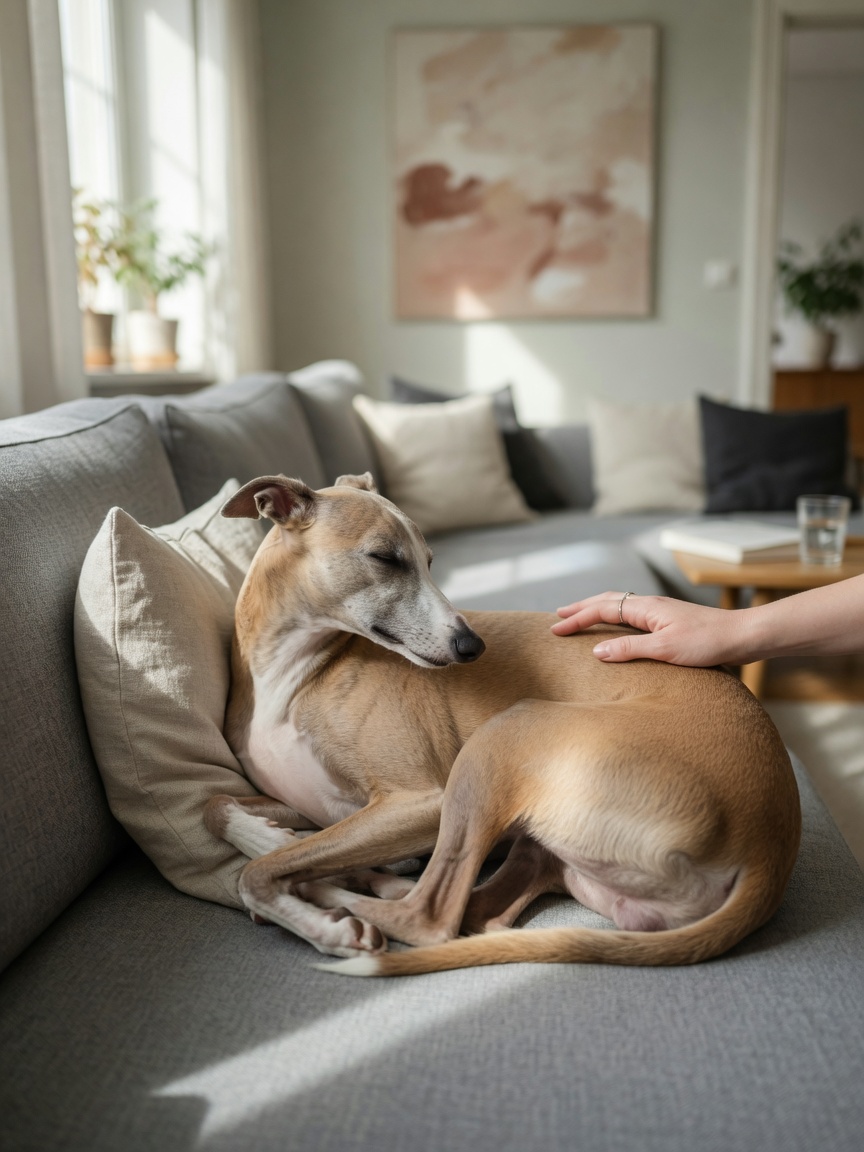
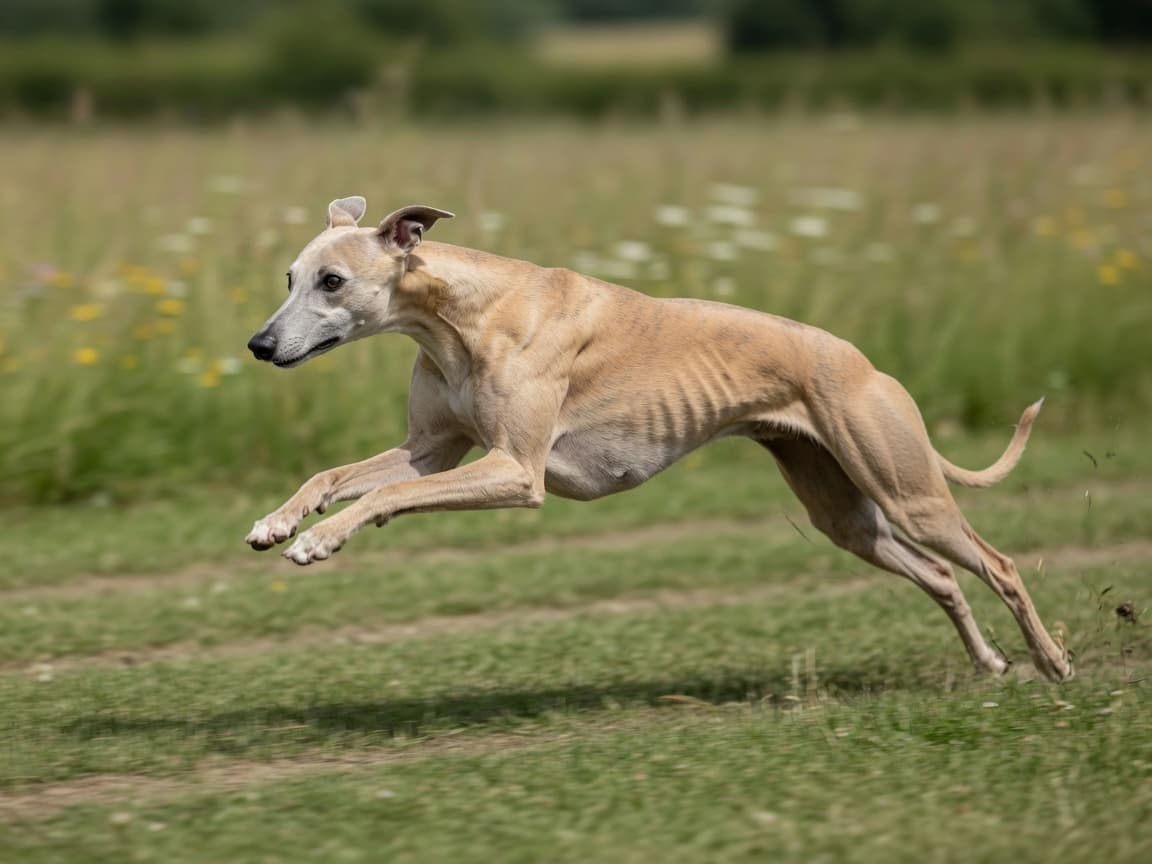
The Whippet has a dual personality that can surprise first-time owners. Indoors, the breed is famously calm, affectionate, and undemanding — often described as cat-like in its preference for comfortable resting spots and quiet companionship. It bonds closely with its family and is gentle with children. Outdoors, however, the Whippet transforms entirely. Once a Whippet sights prey or another dog to race, its acceleration is extraordinary, reaching speeds of around 56 kilometres per hour. Recall when in pursuit of a moving target can be poor, so a securely fenced area is essential for off-lead exercise.
Whippets are sensitive dogs that respond poorly to harsh training methods. Positive reinforcement, patience, and consistency produce the best results. They are not typically aggressive and generally get along well with other dogs, though their strong prey drive may make them unsuitable for households with small pets such as cats, rabbits, or guinea pigs — though early socialisation can help significantly. The breed's calm indoor manner makes it genuinely suitable for first-time dog owners, provided those owners understand the exercise requirements and the importance of secure outdoor space.
Size and Physical Characteristics
Whippets are a medium-sized breed, typically weighing between 12 and 18 kg, with males at the heavier end. The body is deep-chested and narrow-waisted, with a characteristic arch over the loin that gives the breed its distinctive silhouette. The head is long and lean, the eyes are oval and alert, and the rose ears fold neatly back when at rest. The coat is short, fine, and close-lying, coming in a wide range of colours including fawn, brindle, blue, black, white, and combinations thereof.
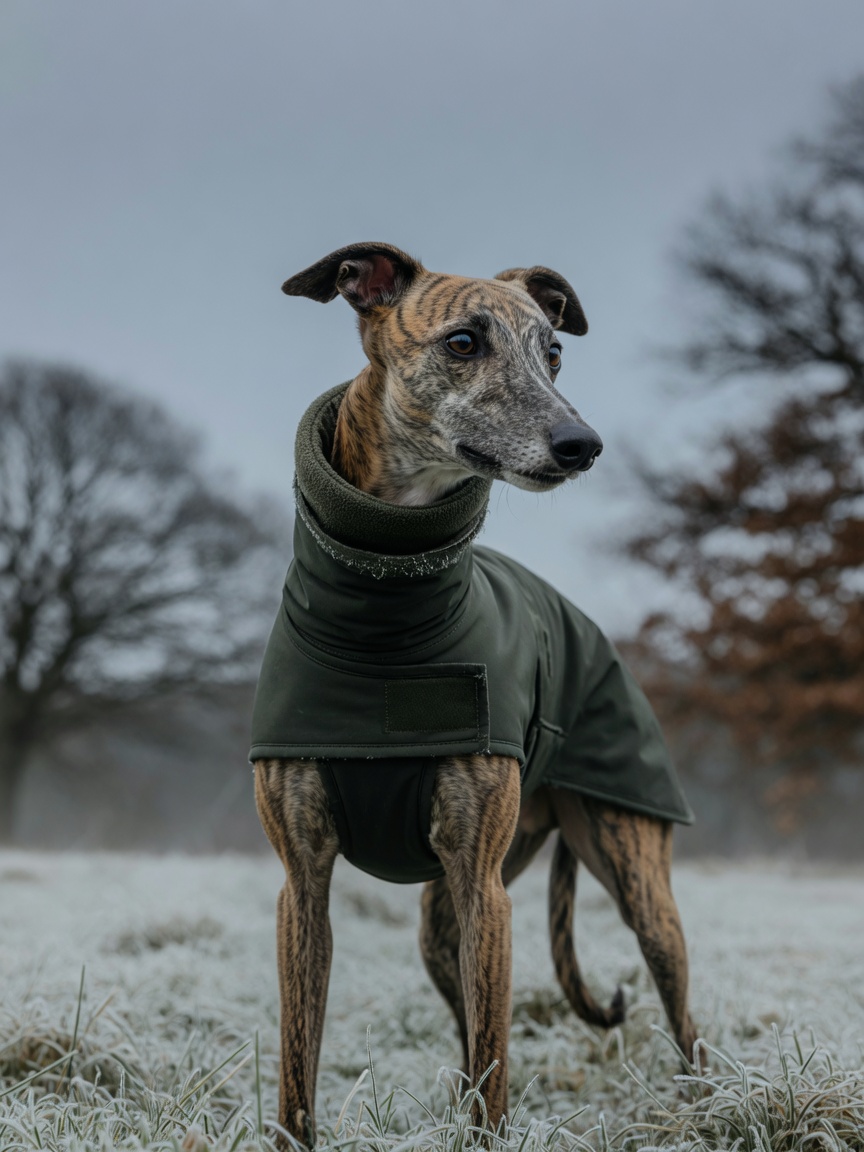
Because Whippets carry very little body fat and their coat provides minimal insulation, they feel the cold acutely. A good-quality dog coat is not a fashion accessory for a Whippet — it is a practical necessity during cold weather, particularly in the UK climate. Owners should have at least one well-fitted coat for winter walks and another for wet days. Whippets left outside in cold conditions are at genuine risk of hypothermia.
Key Health Conditions
Cardiac Arrhythmias
Whippets and other sighthound breeds can display cardiac electrical patterns that would be considered abnormal in other breeds but are within normal parameters for sighthounds. However, genuine cardiac arrhythmias — irregular heart rhythms — can occur and may be clinically significant. Prospective owners should ensure that any breeding dogs have been examined by a veterinary cardiologist, and any Whippet displaying exercise intolerance, fainting, or weakness should be assessed promptly. Working with a vet familiar with sighthound physiology is important for accurate interpretation of ECG results.
Anaesthesia Sensitivity
Sighthound breeds, including the Whippet, have an altered response to certain anaesthetic agents. Their low body fat means that drugs which are stored in fat tissue remain in circulation longer, and their lean muscle mass affects metabolic rates. The barbiturate thiopental, for example, is contraindicated in sighthounds. It is essential that any veterinarian treating a Whippet — particularly for surgery — is aware of the sighthound anaesthesia protocol. Owners should carry a card or note in their pet's records stating that sighthound anaesthetic protocols must be used, and should inform any emergency vet of this requirement. Recovery from anaesthesia should be closely monitored and the dog kept warm throughout.
Thin Skin and Lacerations
The Whippet's skin is notably thin compared to many other breeds, and the short coat provides little protection. This means that lacerations, grazes, and puncture wounds occur relatively easily, particularly when the dog is running at speed through undergrowth or near fencing. Wounds on Whippets can appear dramatic and are sometimes deep despite small surface openings. Owners should inspect their dog carefully after off-lead exercise and seek veterinary attention for any wound that penetrates below the skin surface. Healing can be slower than in breeds with more substantial skin and coat, and infection risk in untreated wounds is real.
Hypothyroidism
Hypothyroidism — underactivity of the thyroid gland — has been reported in Whippets with greater frequency than in some other breeds. It is characterised by weight gain, lethargy, poor coat condition, cold intolerance, and a general slowing of metabolism. Diagnosis is confirmed through a blood test measuring thyroid hormone levels (T4 and TSH). Treatment is straightforward and involves daily oral supplementation with synthetic thyroxine (levothyroxine), which must be continued for the lifetime of the dog. Once on treatment, most dogs make a full recovery and return to normal energy levels and coat quality.
Exercise Needs
Whippets are sprinters rather than endurance athletes. Two good runs per day — ideally in a safely enclosed space where the dog can reach full speed — are ideal. A Whippet that is exercised regularly in this way will be calm and settled at home. Without sufficient opportunity to run, the breed may become restless or develop unwanted behaviours. Lure coursing is a sport that Whippets take to naturally and provides excellent mental and physical stimulation. Long, slow walks are less suited to the breed's physiology, though they are better than nothing.
Grooming
Grooming the Whippet is exceptionally low maintenance. The short, fine coat requires only occasional wiping down with a damp cloth or a gentle brush to remove loose hair. The breed does shed, but the hair is short and relatively unobtrusive. Routine care should include regular nail trimming — important in a breed that spends significant time running — along with ear checks and dental hygiene.
Is the Whippet Right for You?
The Whippet is an outstanding companion for owners who can offer daily off-lead running in a safe space, a warm environment, and the patience to manage a dog with a prey drive. It is genuinely one of the calmest and most manageable sighthounds in the home, and its low grooming requirements make it practical for busy households. Always source a Whippet from a breeder who can provide cardiac screening results for both parents and who is familiar with the breed's specific health requirements.