
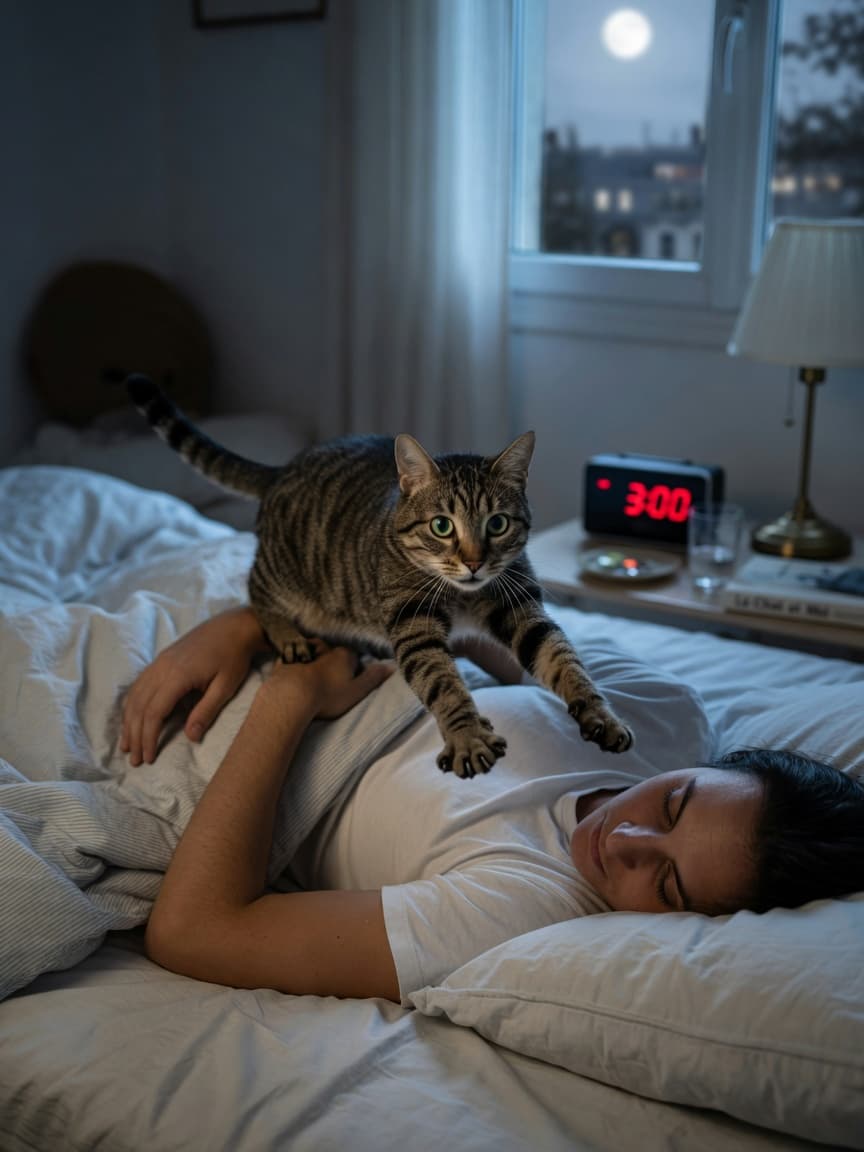
There's nothing quite like being jolted awake at 3 a.m. by your beloved feline companion meowing loudly, pouncing on your feet, or knocking items off your bedside table. If this sounds familiar, you're certainly not alone—nocturnal cat behaviour is one of the most common complaints I hear from pet owners. The good news is that understanding why your cat is waking you up is the first step towards restoring peaceful nights for both of you.
Understanding Your Cat's Natural Behaviour
Cats are crepuscular animals, meaning they're naturally most active during dawn and dusk rather than throughout the day or night. This evolutionary trait helped their wild ancestors hunt when prey was most active. Your pet cat's internal clock may still be partially governed by these instincts, making early mornings and evenings prime activity times. However, excessive nighttime disturbances often signal an underlying issue that needs addressing.
Medical Reasons for Nighttime Disruptions
Before assuming your cat is simply being mischievous, it's important to rule out health problems:
- Thyroid issues: Hyperthyroidism causes increased activity and hunger, particularly common in older cats
- Urinary problems: Cats with urinary tract infections or kidney disease may need frequent toilet trips
- Cognitive dysfunction: Senior cats (over 15 years) may experience disorientation and confusion
- Pain or discomfort: Arthritis, dental disease, or other conditions may cause restlessness
- Hunger: Particularly in younger cats or those on inadequate diets
Schedule a veterinary check-up to eliminate medical causes before implementing behavioural strategies.
Environmental and Behavioural Factors
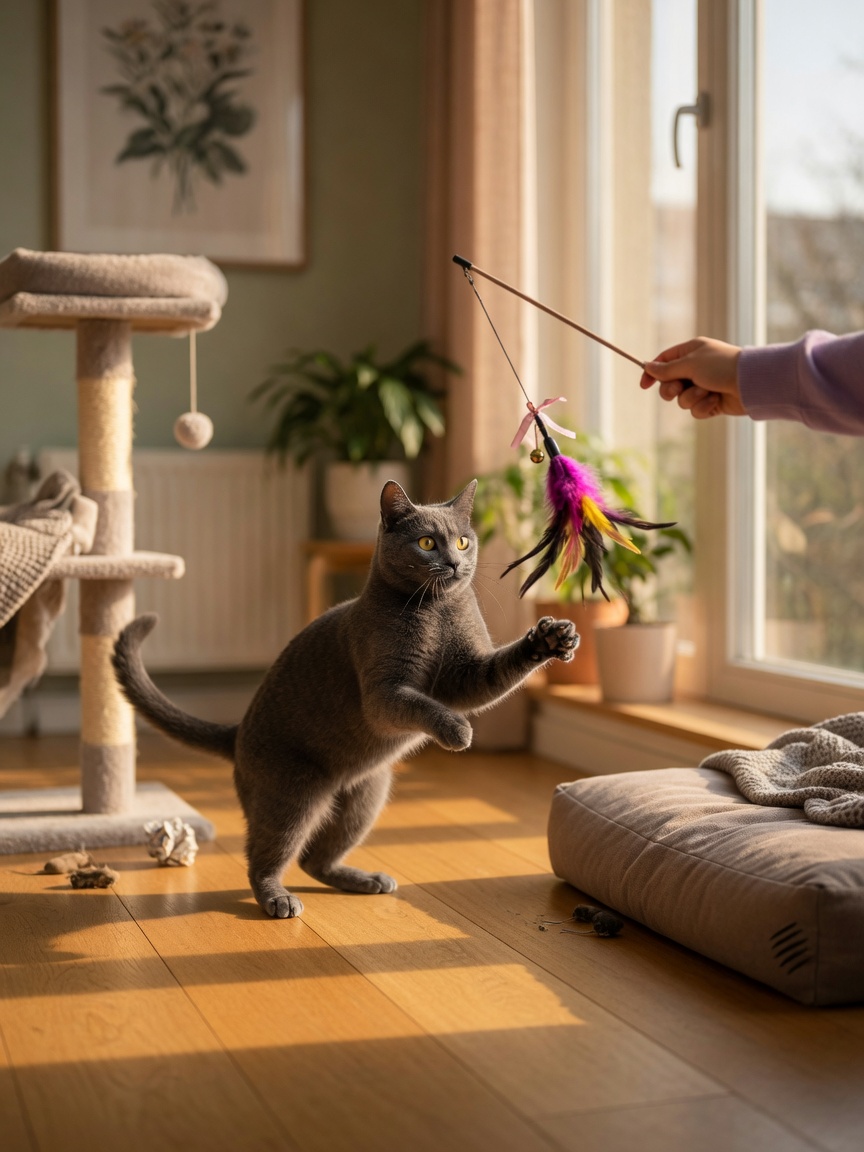
Once medical issues are ruled out, examine your cat's environment and daily routine:
- Insufficient daytime stimulation: Cats need 2-3 play sessions daily to burn energy. Interactive toys, climbing frames, and window perches encourage daytime activity.
- Inconsistent feeding schedule: Feed your cat their largest meal in the evening to encourage drowsiness, similar to how a full stomach affects humans.
- Bedroom environment: Ensure your bedroom is dark, quiet, and comfortable. Consider whether light or noise from outside is triggering your cat's alertness.
- Attention-seeking: If you've previously responded to nighttime antics with attention (even negative attention), your cat has learned that waking you works.
Practical Solutions and Strategies
Creating a structured routine is key to improvement:
- Establish a consistent bedtime routine with vigorous play 2-3 hours before sleep
- Use puzzle feeders and enrichment toys to maintain mental stimulation throughout the day
- Consider a separate sleeping area for your cat during the adjustment period
- Maintain consistent meal times, with the largest portion in the evening
- Ignore nighttime vocalisations entirely—resist the urge to respond, scold, or comfort
- Use white noise or blackout curtains to create a sleep-conducive environment
When to Seek Professional Help
If nighttime disruptions persist despite environmental changes and veterinary clearance, consult a feline behaviour specialist. They can assess your specific situation and recommend tailored interventions, which may include pheromone diffusers or other evidence-based approaches.
Key Takeaways
Nocturnal cat behaviour stems from a combination of natural instincts, environment, and routine. Start by scheduling a veterinary appointment to rule out medical causes, then systematically address behavioural and environmental factors through consistent play, structured feeding, and ignoring attention-seeking behaviour. Most cats respond well to these changes within 2-4 weeks, though patience and consistency are essential. Sweet dreams aren't far away.