
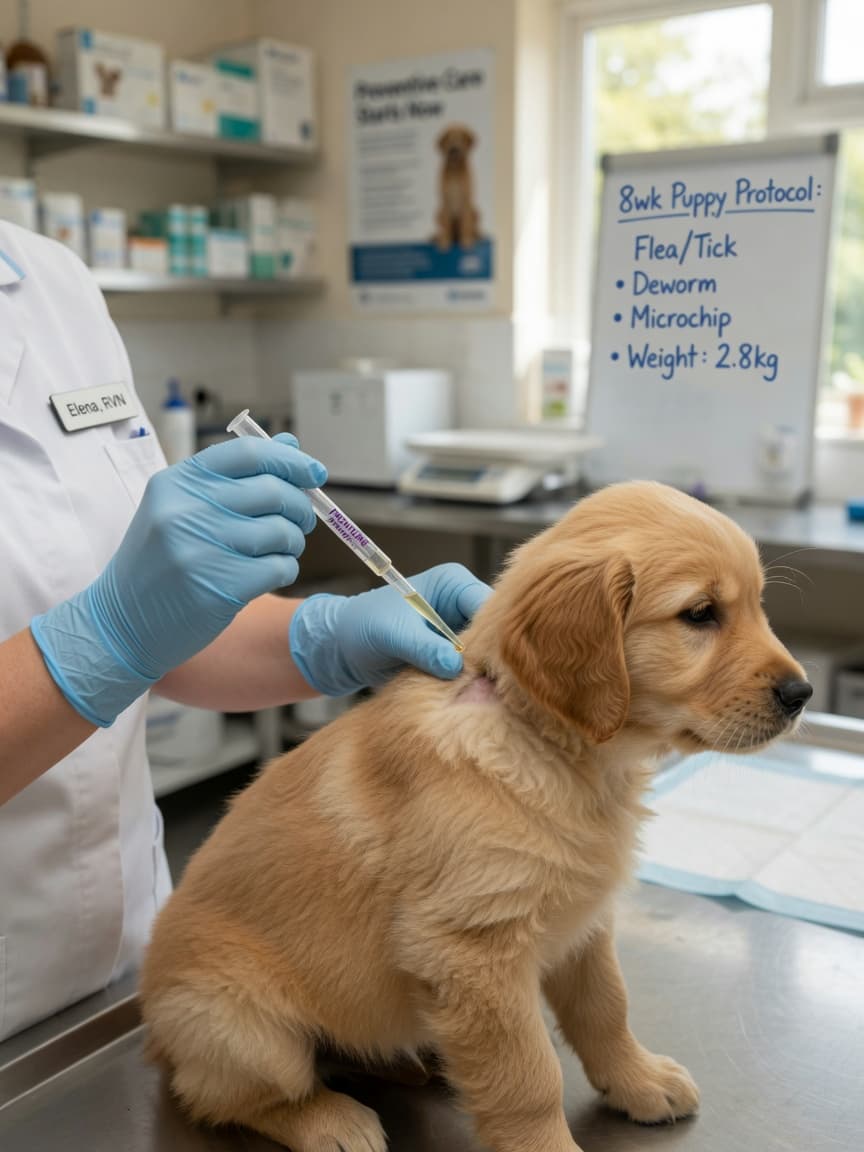
Bringing a new puppy home is exciting, but it also comes with important health responsibilities. One of the most common questions new puppy owners ask is: when should I start flea and tick treatment? The answer isn't simply "wait until they're older" – timing matters significantly for your puppy's health and wellbeing. Starting protection at the right age helps prevent parasites before they become a problem, whilst ensuring the treatments are safe for your young pet's developing system.
Understanding When Puppies Are Most Vulnerable

Puppies can acquire fleas and ticks from their mother, the environment, or other animals almost immediately after birth. However, their ability to tolerate certain medications develops gradually. Most puppies aren't ready for standard flea and tick treatments until they reach 6-8 weeks of age, though this varies depending on the product type and your puppy's weight.
Environmental parasites pose a genuine threat to young puppies. Fleas can cause anaemia in tiny puppies, whilst tick-borne diseases can develop quickly in their immature immune systems. This is why preventative action during these vulnerable early weeks is crucial.
Age Guidelines for Different Treatment Types
- 8 weeks and older: Most topical spot-on treatments become suitable. Always check the minimum weight requirement – many require puppies to weigh at least 1.5-2 kg
- 12 weeks and older: Oral tablets and collars often become available options, depending on the specific product
- 16 weeks and older: Injectable flea treatments may be considered, though your vet will advise based on your puppy's health
- Before 8 weeks: Discuss safe alternatives with your vet, such as regular combing or environmental control measures
Working With Your Veterinary Surgeon
Your vet is your best resource for determining the ideal starting point for your puppy. During your puppy's first health check, usually scheduled around 6-8 weeks old, discuss flea and tick prevention openly. Your vet will:
- Assess your puppy's current weight and health status
- Consider your local parasite risk and seasonal factors
- Recommend products appropriate for your puppy's age and breed
- Create a treatment schedule that aligns with vaccinations
- Address any breed-specific sensitivities (particularly important for herding breeds)
Practical Pre-Treatment Measures for Young Puppies
If your puppy is too young for chemical treatments, you're not defenceless. Several safe approaches protect your puppy whilst waiting for them to reach treatment age:
- Brush your puppy's coat daily with a fine-toothed comb to spot and remove parasites manually
- Wash bedding regularly in hot water to eliminate flea eggs and larvae
- Vacuum your home thoroughly and frequently
- Keep your puppy away from wildlife and untreated animals
- Maintain strict hygiene after outdoor play
Creating a Treatment Schedule

Once your puppy is old enough, most parasites require year-round protection in the UK, though risk peaks from April to November. Monthly treatments are standard, whilst some newer products offer protection lasting up to 12 weeks. Coordinate flea and tick treatment with your puppy's vaccination schedule – your vet will help you time these appropriately to avoid overloading your young pet's system.
Key Takeaways
Start flea and tick prevention as soon as your puppy is old enough, typically at 8 weeks or when they reach the minimum weight requirement for your chosen product. Consult your vet before beginning any treatment to ensure it's appropriate for your individual puppy. Until your puppy can tolerate chemical treatments, use manual removal and environmental control methods. Remember that consistent, year-round prevention is far easier than treating an established infestation. Your vigilance now protects your puppy's long-term health and comfort.