
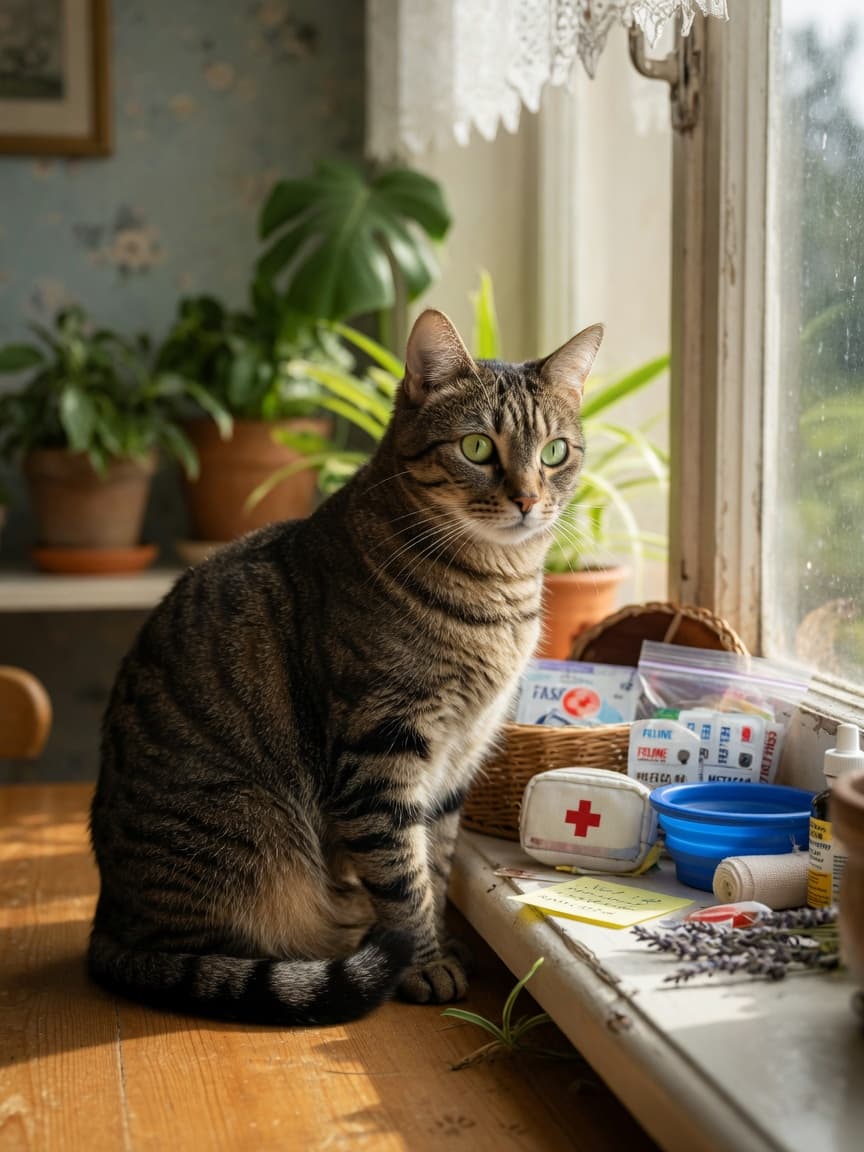
Cat emergencies can happen when you least expect them — a sudden illness, an accident, or a natural disaster can strike without warning. As a responsible cat owner, having a well-stocked emergency kit at home could make the difference between a manageable situation and a crisis. Whether you're dealing with a minor injury or preparing for an evacuation, this comprehensive guide will help you assemble everything your feline friend might need during an unexpected emergency.
Why Every Cat Owner Needs an Emergency Kit
Emergency situations often come with time pressure and stress, making it difficult to gather supplies quickly. A pre-prepared kit means you're ready to act immediately, whether it's treating a minor wound or safely transporting your cat to the veterinary clinic. Beyond health emergencies, natural disasters, fires, or other situations requiring rapid evacuation mean having your cat's essentials already packed and accessible.
Medical Supplies and First Aid Essentials
The foundation of any cat emergency kit should include basic first aid supplies:
- Sterile gauze pads and bandages — for wound dressing and bleeding control
- Adhesive tape — hypoallergenic tape suitable for sensitive feline skin
- Non-stick wound dressings — prevent damage when removing bandages from fur
- Antiseptic wipes or saline solution — to clean minor cuts and scratches
- Tweezers — for careful removal of splinters or foreign objects
- Blunt-ended scissors — for trimming matted fur around injuries safely
- Cotton balls and cotton swabs — useful for cleaning ears and eyes
- Hydrogen peroxide (3% solution) — can be used to induce vomiting under veterinary guidance
- Digital thermometer — essential for detecting fever (normal feline temperature is 38-39°C)
Medications and Documentation
Keep a dedicated section for medications your cat may need during an emergency:
- Current prescription medications — maintain a two-week backup supply in a clearly labelled container
- Antihistamines — useful for allergic reactions (consult your vet about appropriate doses)
- Pain relief — paracetamol must never be given to cats; ask your vet about safe alternatives
- Anti-diarrhoeal medication — keep on hand for digestive upsets
- Medical records folder — include vaccination certificates, microchip information, and recent health records
- Medication list with dosages — clearly documented instructions for administering any medications
Comfort Items and Containment
During emergencies, cats become stressed and frightened. Include items that provide comfort and safe containment:
- A secure, well-ventilated pet carrier with blankets
- Familiar bedding or a blanket with home scent
- Recent photographs of your cat (helpful if you need to search for a lost pet)
- Litter tray and disposable litter
- Litter bags and cleaning supplies
- Collar, lead, and harness if your cat is harness-trained
- Toys or treats to provide distraction
Food and Hydration Supplies
Maintain an emergency supply of essentials your cat can consume:
- One to two weeks' worth of tinned food (shelf-stable)
- Bottled water dedicated to your cat
- Portable bowls or plates for feeding
- Any special dietary supplements your cat requires
Important Contact Information and Records
Keep a waterproof folder containing:
- Your veterinary clinic's contact details and after-hours emergency number
- Your cat's microchip number and registration details
- Recent vaccination records and health history
- Your contact information clearly written
- Names and contact details of friends or family who can help
- Identification photos showing distinctive markings
Key Takeaways
A well-organised cat emergency kit provides peace of mind and practical readiness for whatever unexpected situations may arise. Store your kit in an accessible location that all household members know about, and review it twice yearly to replace expired items and update medical records. Remember that whilst first aid is valuable, professional veterinary care should always be sought for serious injuries or illnesses. By preparing now, you're giving your beloved cat the best chance of a swift and complete recovery when emergencies strike.