ForPetsHealthcare
Dogs

What to Know About Cat Head Pressing

By Julia WrenfieldUpdated August 4, 20264 min read
Evidence-based · Sources checked
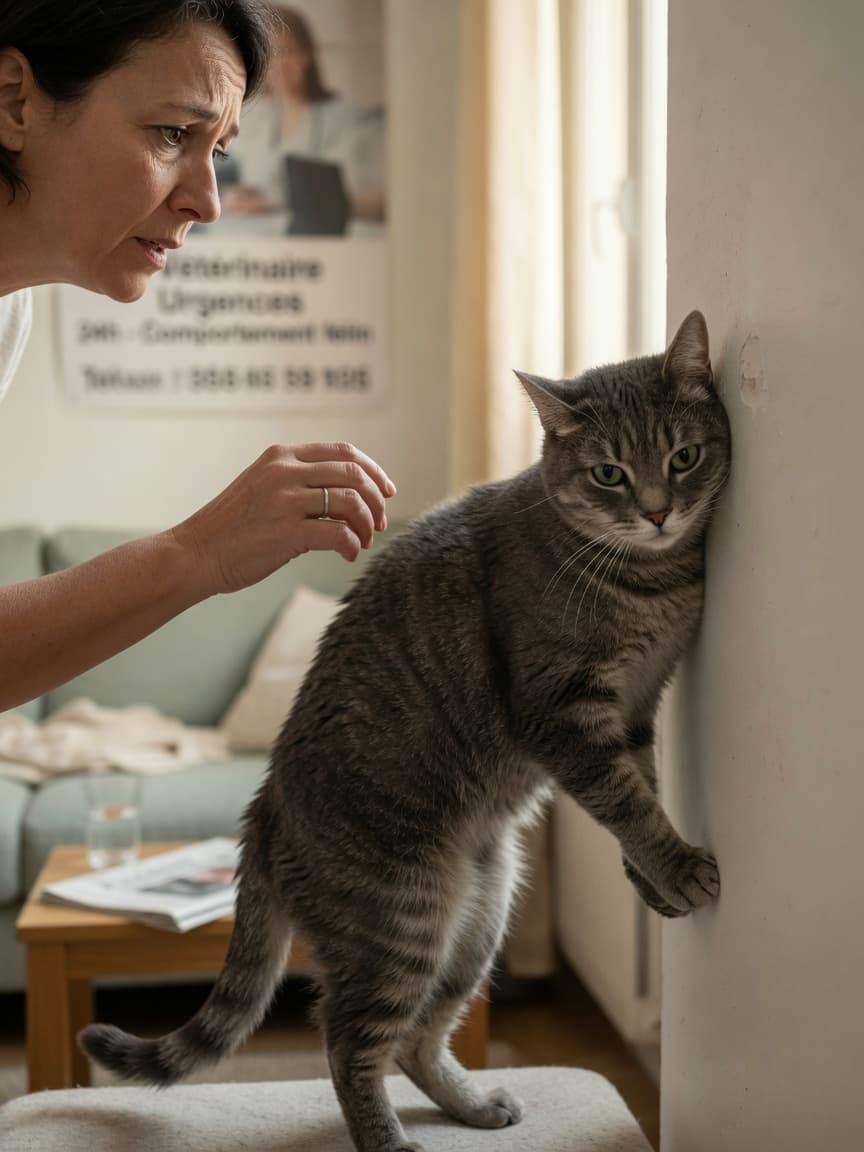
{"en": "Cat pressing head against wall or furniture, displaying head pressing behavior that may indicate health concerns", "es": "Gato presionando su cabeza contra la pared, mostrando comportamiento de presi\u00f3n cef\u00e1lica que puede indicar problemas de salud", "fr": "Chat appuyant sa t\u00eate contre un mur, pr\u00e9sentant un comportement de compression c\u00e9phalique pouvant indiquer des probl\u00e8mes de sant\u00e9", "de": "Katze dr\u00fcckt ihren Kopf gegen die Wand und zeigt Kopfdruck-Verhalten, das auf Gesundheitsprobleme hinweisen kann", "nl": "Kat die zijn hoofd tegen de muur drukt, vertonend kopdrukgedrag dat gezondheidsproblemen kan aanduiden", "pt": "Gato pressionando a cabe\u00e7a contra a parede, exibindo comportamento de press\u00e3o cef\u00e1lica que pode indicar problemas de sa\u00fade", "it": "Gatto che preme la testa contro il muro, mostrando comportamento di pressione cranica che potrebbe indicare problemi di salute"}

If you've noticed your cat pressing their head against walls, furniture, or your hands more frequently than usual, it might seem like an affectionate behaviour. However, persistent head pressing in cats can actually signal an underlying health concern that warrants immediate veterinary attention. This peculiar behaviour is one of the most important warning signs pet owners should recognise, as it often indicates neurological or metabolic issues requiring prompt diagnosis and treatment.

Understanding Cat Head Pressing

Head pressing differs from normal affectionate head bunting. When cats rub their head against you or objects, they're marking territory with scent glands and showing affection. Head pressing, conversely, involves the cat forcefully and persistently pushing their head against surfaces, often appearing almost dazed or unaware of their surroundings. The behaviour typically lasts longer than casual bunting and occurs repeatedly throughout the day.

This distinction is crucial for cat owners, as head pressing should never be dismissed as endearing behaviour. It's an abnormal clinical sign that demands veterinary evaluation.

Potential Causes of Head Pressing
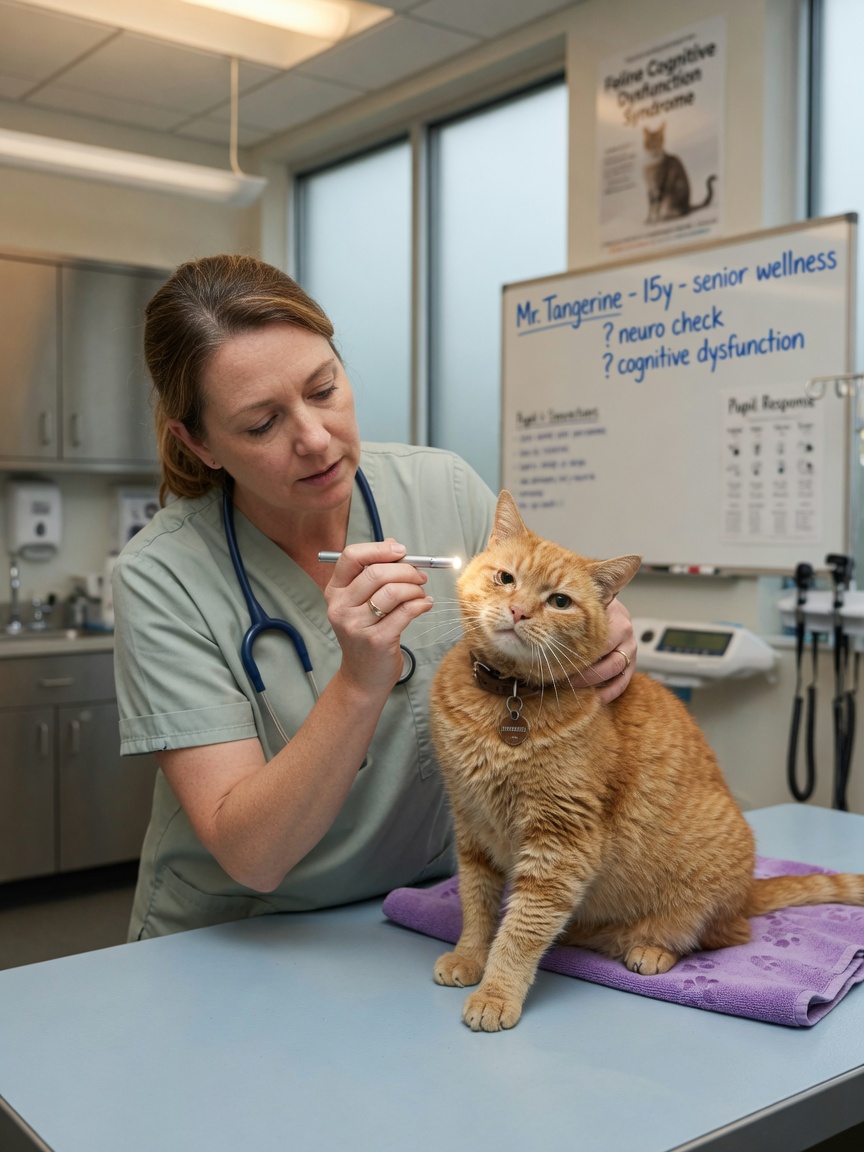
Veterinarian performing neurological examination on senior orange cat with penlight in clinic

Head pressing in cats can stem from several serious conditions:

  • Hepatic Encephalopathy: Liver disease leading to toxin accumulation in the brain, causing neurological dysfunction
  • Hypertension: High blood pressure affecting the nervous system, particularly common in older cats and those with kidney disease
  • Brain Tumours: Intracranial masses causing pressure and neurological changes
  • Feline Infectious Peritonitis (FIP): A serious viral infection affecting the central nervous system
  • Stroke or TIA: Cerebrovascular events causing acute neurological symptoms
  • Encephalitis: Brain inflammation from various infectious or inflammatory causes
  • Metabolic Disorders: Including diabetes complications, hypoglycaemia, and electrolyte imbalances

Additional Symptoms to Watch For

Head pressing rarely occurs in isolation. Observe your cat for accompanying signs that help veterinarians narrow down the diagnosis:

  • Disorientation or confusion
  • Changes in sleeping patterns
  • Altered appetite or water intake
  • Vomiting or diarrhoea
  • Lethargy or unusual aggression
  • Loss of balance or coordination
  • Seizures
  • Changes in vocalisations

When to Seek Veterinary Care

Cat owner rushing into emergency vet clinic carrying lethargic black and white cat

Head pressing warrants urgent veterinary attention, particularly if it's a new behaviour. Schedule an appointment immediately if your cat displays this sign, even if they seem otherwise well. If head pressing accompanies seizures, severe lethargy, or loss of consciousness, seek emergency veterinary care right away.

During your appointment, provide your vet with a detailed history: when you first noticed the behaviour, how frequently it occurs, any recent changes in health or behaviour, and details about diet, medications, and vaccination status. Video footage of the behaviour can be invaluable for diagnosis.

Diagnostic Process and Treatment

Your veterinarian will likely recommend a thorough examination including blood work, biochemistry panels, and possibly imaging studies such as ultrasound or MRI to identify the underlying cause. Treatment depends entirely on diagnosis—managing liver disease differs significantly from treating hypertension or addressing neurological conditions.

Early diagnosis substantially improves outcomes, particularly for treatable conditions like hypertension or metabolic imbalances.

Key Takeaways

  • Head pressing is abnormal and always requires veterinary evaluation
  • It differs fundamentally from normal affectionate head bunting
  • Multiple serious conditions can cause this behaviour
  • Prompt veterinary assessment improves treatment outcomes
  • Keep detailed observations of when and how often head pressing occurs
  • Report any accompanying symptoms to your veterinarian immediately

Your cat's health and wellbeing depend on recognising these important warning signs. Trust your instincts—if something seems amiss with your feline friend's behaviour, contact your veterinarian today.

#what to know about cat head pressing#cat health#feline nutrition#forpetshealthcare

Sources & further reading

This article is based on peer-reviewed veterinary research and reputable animal-health sources. Explore the underlying science in our Research Library.

Related articles

The 19 Best Animal Shelters in the Netherlands (2026)

the Netherlands's animal shelters, rescue associations and refuges save thousands of dogs, cats and other animals every year, almost always on tiny budgets and volunteer power. To build the most objective ranking possible, we analysed public Google reviews across more than 56 registered animal-prote…

Read more →

The 25 Best Animal Shelters in Italy (2026)

Italy's animal shelters, rescue associations and refuges save thousands of dogs, cats and other animals every year, almost always on tiny budgets and volunteer power. To build the most objective ranking possible, we analysed public Google reviews across more than 121 registered animal-protection org…

Read more →

The 48 Best Animal Shelters in Germany (2026)

Germany's animal shelters, rescue associations and refuges save thousands of dogs, cats and other animals every year, almost always on tiny budgets and volunteer power. To build the most objective ranking possible, we analysed public Google reviews across more than 152 registered animal-protection o…

Read more →

The 32 Best Animal Shelters in France (2026)

France's animal shelters, rescue associations and refuges save thousands of dogs, cats and other animals every year, almost always on tiny budgets and volunteer power. To build the most objective ranking possible, we analysed public Google reviews across more than 89 registered animal-protection org…

Read more →

The 8 Best Animal Shelters in Portugal (2026)

Portugal's animal shelters, rescue associations and municipal centros de recolha save thousands of dogs, cats and other animals every year, almost always on tiny budgets and volunteer power. To build the most objective ranking possible, we analysed public Google reviews across more than 86 registere…

Read more →

Sphynx Cat Skin care and hygiene: Causes, Signs & Care

Sphynx cats have little to no coat, which means the skin itself takes on jobs that fur normally does — insulation, oil dispersal, and barrier protection — leaving it prone to greasiness, blocked pores, fungal infections, and sunburn. The single most important thing to know is that a Sphynx's skin ne…

Read more →
Disclaimer:This article is for informational purposes only and does not constitute veterinary advice. Always consult a qualified veterinarian for your pet's health concerns.

Free newsletter

Pet health tips, straight to your inbox

Weekly science-backed advice for dog & cat owners. No spam, unsubscribe anytime.