ForPetsHealthcare
Dogs

What To Expect for Bone Cancer in Dogs

By Julia WrenfieldUpdated August 4, 20264 min read
Evidence-based · Sources checked
{"en": "Large dog with visible lameness in hind leg, illustrating mobility issues common in canine bone cancer", "es": "Perro grande con cojera visible en la pata trasera, ilustrando problemas de movilidad comunes en el c\u00e1ncer \u00f3seo canino", "fr": "Grand chien pr\u00e9sentant une boiterie visible sur la patte arri\u00e8re, illustrant les probl\u00e8mes de mobilit\u00e9 du cancer osseux canin", "de": "Gro\u00dfer Hund mit sichtbarem Hinken in der Hinterbeinen, das Mobilit\u00e4tsprobleme bei Knochenkrebs bei Hunden zeigt", "nl": "Grote hond met zichtbare mankheid in achterpoot, illustrerend mobiliteitsproblemen bij hondenbeenkanker", "pt": "C\u00e3o grande com claudica\u00e7\u00e3o vis\u00edvel na pata traseira, ilustrando problemas de mobilidade comuns no c\u00e2ncer \u00f3sseo canino", "it": "Cane di grossa taglia con visibile zoppia sulla zampa posteriore, illustrando i problemi di mobilit\u00e0 del cancro osseo canino"}

Discovering that your beloved dog has been diagnosed with bone cancer can feel overwhelming. Osteosarcoma, the most common type of bone cancer in dogs, accounts for roughly 85% of all canine bone malignancies. Whilst this is undoubtedly serious, understanding what to expect—from symptoms through treatment options to quality-of-life considerations—can help you make informed decisions and provide the best possible care for your furry companion during this challenging time.

Understanding Bone Cancer in Dogs

Osteosarcoma typically develops in the long bones of the legs, particularly around the shoulder, elbow, hip, and knee joints. It's most common in larger and giant breeds, with German Shepherds, Golden Retrievers, and Rottweilers at higher risk. The disease usually affects middle-aged to older dogs, though younger large-breed dogs can also develop it.

Bone cancer is aggressive and often progresses quickly. Without treatment, most dogs with osteosarcoma will experience significant pain and reduced mobility within weeks.

Recognising the Early Signs
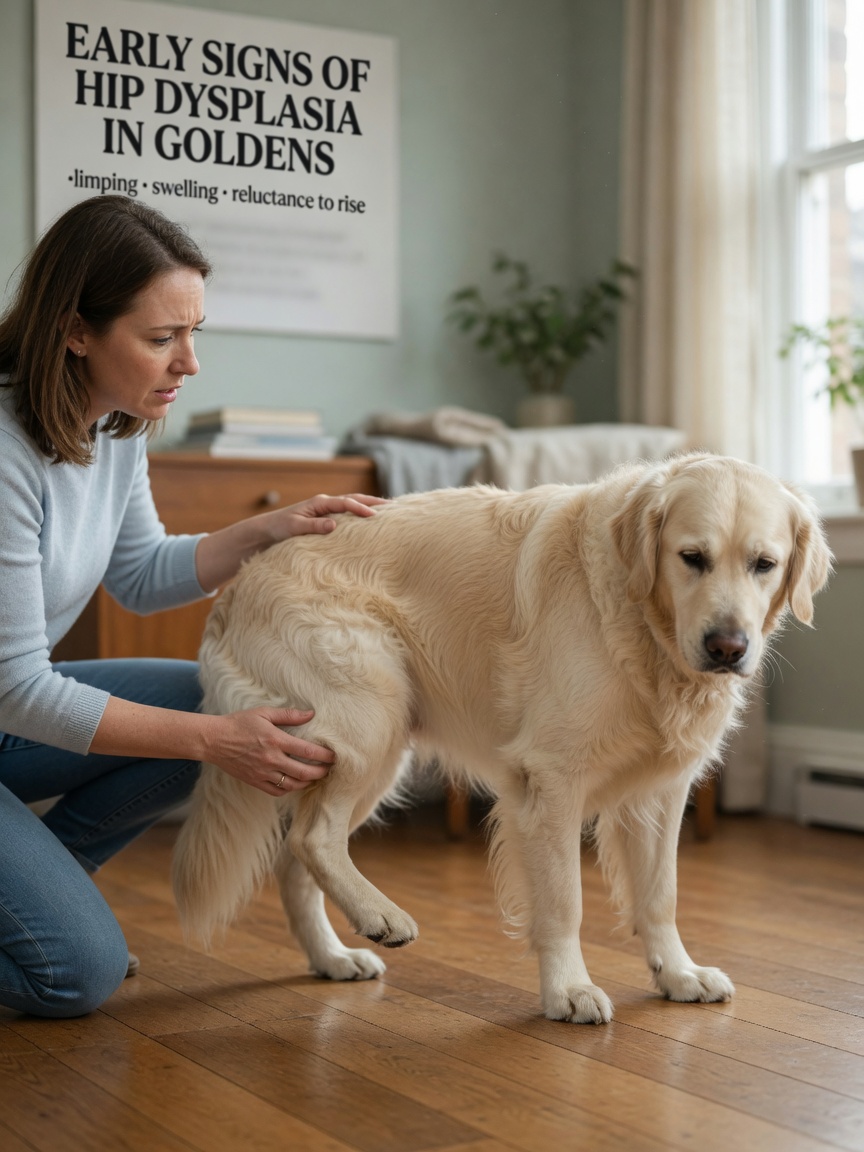
Golden Retriever limping on hind leg with owner observing at home

Early detection can make a genuine difference in your dog's quality of life. Watch for these warning signs:

  • Persistent lameness or limping, particularly in the hind legs or front legs
  • Swelling or a visible lump around a joint or bone
  • Reluctance to put weight on one leg
  • Difficulty standing, jumping, or climbing stairs
  • Pain when the affected area is touched
  • Lethargy or decreased interest in activities your dog normally enjoys

If you notice any of these signs, arrange a veterinary appointment promptly. Your vet may recommend X-rays or other imaging to confirm a diagnosis.

Diagnostic Process

Your veterinarian will typically start with physical examination and radiographs (X-rays) of the affected limb. These images can reveal characteristic changes in the bone structure associated with osteosarcoma. A biopsy—taking a small tissue sample—may be performed to confirm the diagnosis definitively.

Your vet may also recommend staging tests, including chest X-rays and potentially CT scans, to determine whether cancer has spread to other parts of the body, particularly the lungs.

Treatment Options
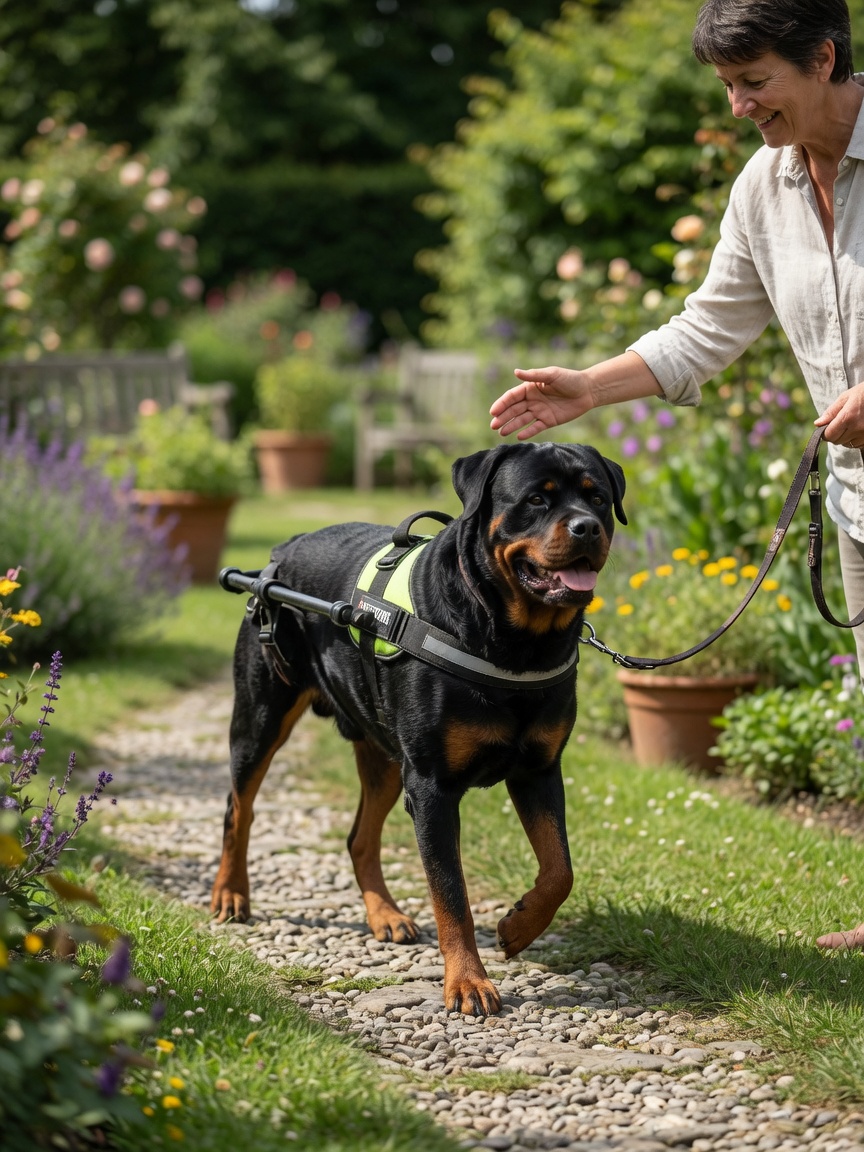
Rottweiler walking confidently on three legs in garden with supportive owner

The primary treatment approaches include:

  1. Amputation—Removing the affected limb is the most common surgical option. Whilst this sounds drastic, most dogs adapt remarkably well to three-legged mobility, particularly with appropriate pain management and physiotherapy.
  2. Limb-sparing surgery—In some cases, veterinary surgeons can remove the tumour whilst preserving the limb. This is complex and only suitable for specific tumour locations.
  3. Chemotherapy—Often combined with surgery, chemotherapy can extend survival time and manage pain. Modern protocols are generally well-tolerated by dogs.
  4. Palliative care—If surgery isn't appropriate, pain management and quality-of-life measures become the priority.

Managing Pain and Supporting Quality of Life

Effective pain control is absolutely essential. Your vet may recommend:

  • Non-steroidal anti-inflammatory drugs (NSAIDs)
  • Stronger analgesics for advanced disease
  • Physiotherapy and gentle exercise tailored to your dog's mobility
  • Comfortable bedding and easy access to food and water bowls
  • Environmental modifications to reduce stress on the affected limb

Key Takeaways

Bone cancer in dogs is serious, but modern veterinary medicine offers genuine options to extend and improve your dog's life. Early detection matters significantly. Discuss all available treatments thoroughly with your veterinary team, considering your dog's age, overall health, and your family's circumstances. Many dogs enjoy a good quality of life following amputation or chemotherapy. Focus on maintaining comfort, mobility, and joyful moments with your companion. Your vet and potentially a veterinary oncologist can guide you through each decision, ensuring your dog receives compassionate, evidence-based care.

#what to expect for bone cancer in dogs#dog health#dog nutrition#forpetshealthcare

Sources & further reading

This article is based on peer-reviewed veterinary research and reputable animal-health sources. Explore the underlying science in our Research Library.

Related articles

The 19 Best Animal Shelters in the Netherlands (2026)

the Netherlands's animal shelters, rescue associations and refuges save thousands of dogs, cats and other animals every year, almost always on tiny budgets and volunteer power. To build the most objective ranking possible, we analysed public Google reviews across more than 56 registered animal-prote…

Read more →

The 25 Best Animal Shelters in Italy (2026)

Italy's animal shelters, rescue associations and refuges save thousands of dogs, cats and other animals every year, almost always on tiny budgets and volunteer power. To build the most objective ranking possible, we analysed public Google reviews across more than 121 registered animal-protection org…

Read more →

The 48 Best Animal Shelters in Germany (2026)

Germany's animal shelters, rescue associations and refuges save thousands of dogs, cats and other animals every year, almost always on tiny budgets and volunteer power. To build the most objective ranking possible, we analysed public Google reviews across more than 152 registered animal-protection o…

Read more →

The 32 Best Animal Shelters in France (2026)

France's animal shelters, rescue associations and refuges save thousands of dogs, cats and other animals every year, almost always on tiny budgets and volunteer power. To build the most objective ranking possible, we analysed public Google reviews across more than 89 registered animal-protection org…

Read more →

The 8 Best Animal Shelters in Portugal (2026)

Portugal's animal shelters, rescue associations and municipal centros de recolha save thousands of dogs, cats and other animals every year, almost always on tiny budgets and volunteer power. To build the most objective ranking possible, we analysed public Google reviews across more than 86 registere…

Read more →

Sphynx Cat Skin care and hygiene: Causes, Signs & Care

Sphynx cats have little to no coat, which means the skin itself takes on jobs that fur normally does — insulation, oil dispersal, and barrier protection — leaving it prone to greasiness, blocked pores, fungal infections, and sunburn. The single most important thing to know is that a Sphynx's skin ne…

Read more →
Disclaimer:This article is for informational purposes only and does not constitute veterinary advice. Always consult a qualified veterinarian for your pet's health concerns.

Free newsletter

Pet health tips, straight to your inbox

Weekly science-backed advice for dog & cat owners. No spam, unsubscribe anytime.