
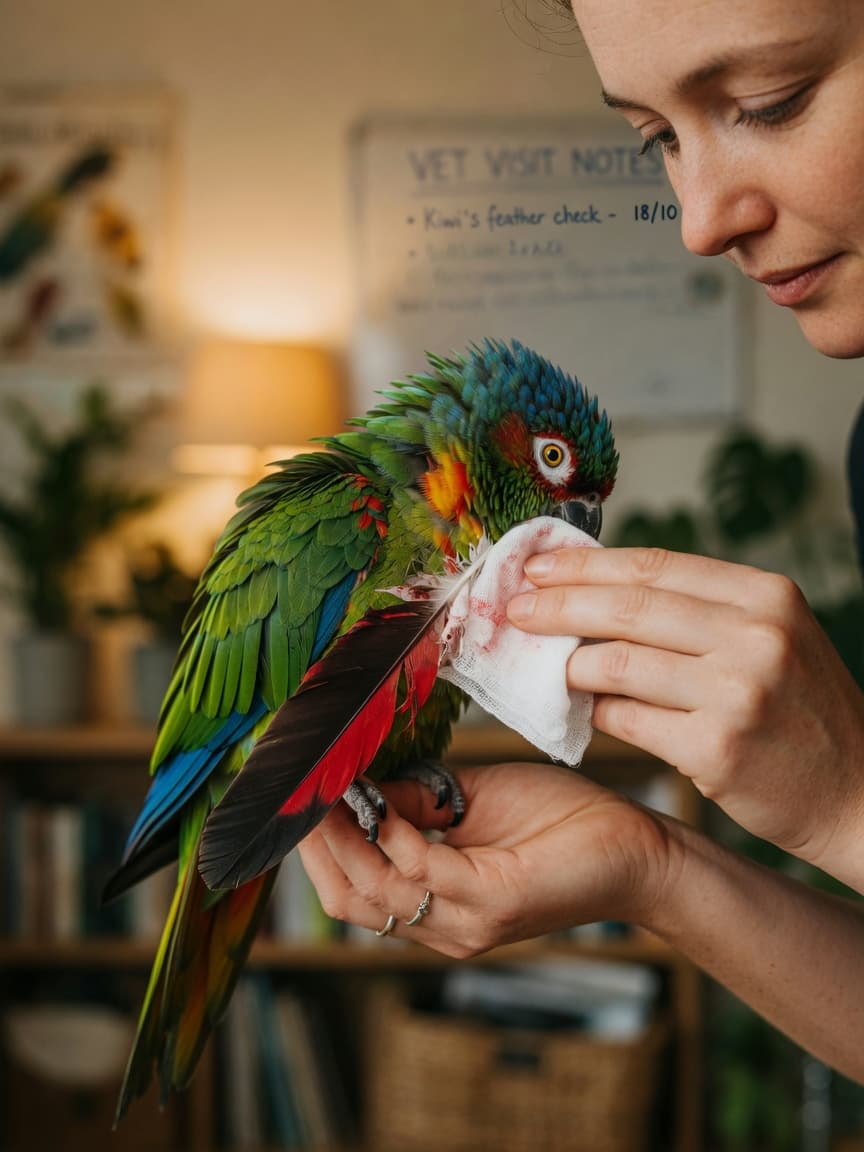
Blood feathers are a normal part of your bird's development and moulting cycle, but when they break, they can cause significant bleeding and distress. Unlike mature feathers, blood feathers contain active blood vessels and are still actively growing. If your feathered companion injures one, knowing how to respond quickly and calmly can prevent complications and reduce pain. This guide will walk you through everything you need to know about managing this common avian emergency.
Understanding Blood Feathers and Why They're Different
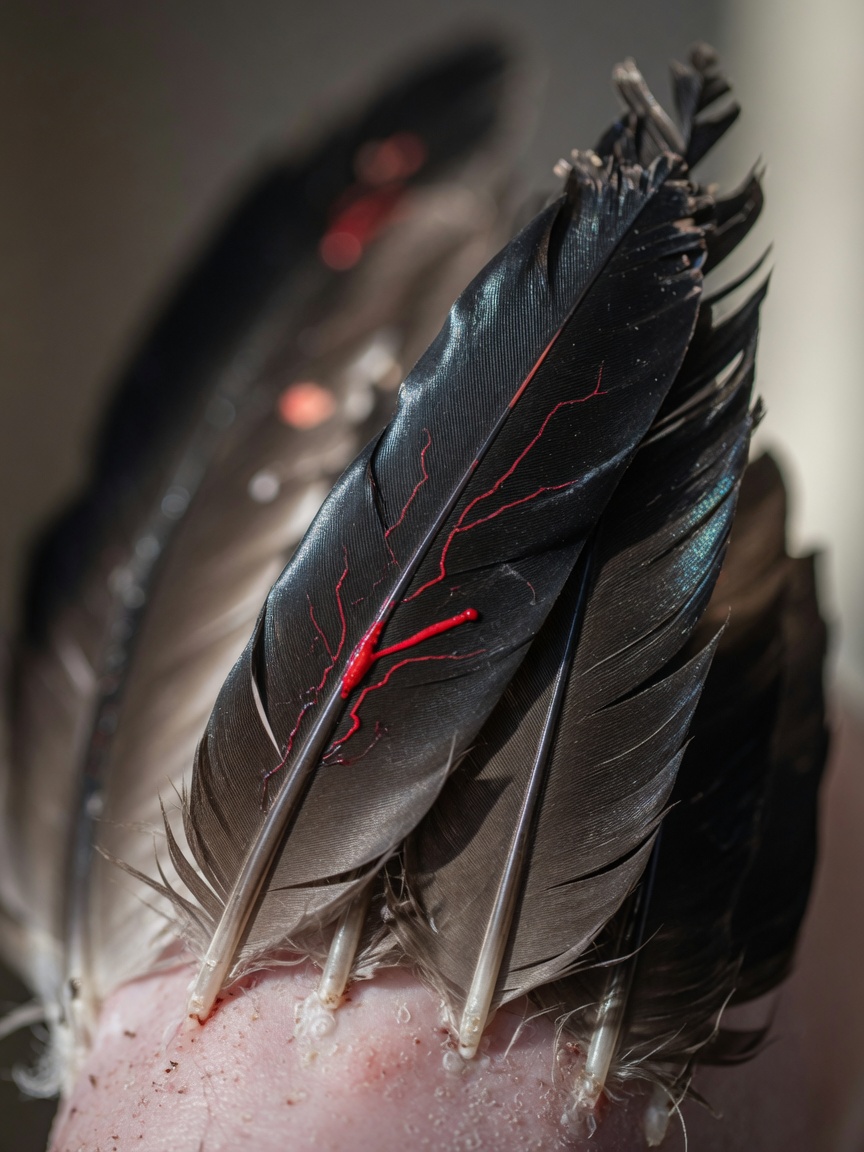
Blood feathers, also called pin feathers or blood quills, are newly developing feathers that contain blood vessels. They appear as dark, waxy-looking feathers and are most visible during moulting season. Once fully mature, the blood supply recedes and the feather becomes a normal flight feather. The problem arises when a blood feather breaks before this process completes – the exposed blood vessel can bleed continuously and profusely, sometimes alarming pet owners with the amount of blood involved.
Immediate First Aid Steps
If your bird has broken a blood feather, your first priority is stopping the bleeding. Follow these steps in order:
- Remain calm. Birds sense anxiety and panic, which increases their stress and heart rate, promoting further bleeding.
- Gently restrain your bird using a soft cloth if necessary, being careful not to squeeze or cause additional injury.
- Apply pressure to the bleeding feather using gauze, cotton wool, or a clean cloth for 5-10 minutes continuously.
- Avoid direct pulling unless the feather is still actively bleeding after 15-20 minutes of pressure – only a trained veterinarian should extract a blood feather.
- Rinse gently with cool (not cold) water once bleeding has stopped to assess the severity.
- Keep your bird warm and quiet in a dimly lit, familiar environment during recovery.
When to Contact Your Veterinarian
Whilst minor blood feather breaks often resolve with basic first aid, certain situations require professional veterinary attention. Contact your vet immediately if:
- Bleeding doesn't stop after 20 minutes of continuous pressure
- Your bird appears lethargic, weak, or unresponsive
- The bird is breathing rapidly or showing signs of shock
- Multiple feathers are bleeding simultaneously
- You're uncertain about the severity of the injury
- Your bird is a young chick or particularly small species
Your vet may need to extract the broken blood feather carefully, using sterile equipment and proper restraint techniques. This prevents infection and promotes faster healing.
Post-Injury Care and Recovery
After the bleeding has stopped, keep your bird calm and monitor closely for the next 24-48 hours. Provide:
- A quiet, stress-free environment away from other pets
- Easy access to food and water at ground level if your bird is reluctant to perch
- Normal, nutrient-rich diet to support feather regrowth
- Minimal handling until fully recovered
- Regular observation for signs of infection or renewed bleeding
Prevention Strategies
Whilst accidents happen, you can reduce the risk of blood feather injuries by ensuring your bird's environment is safe. Remove sharp objects, secure perches firmly, prevent collision hazards, and keep your bird away from other animals during moulting season when blood feathers are most vulnerable.
Key Takeaways
A broken blood feather can be frightening, but with swift, gentle action, most cases resolve without complications. Stay calm, apply gentle pressure to stop bleeding, and seek veterinary advice if bleeding persists or your bird shows signs of distress. Remember that blood feathers are temporary – your bird will continue moulting and developing healthy mature feathers. By understanding this normal avian process and knowing how to respond, you'll be well-prepared to handle this common emergency with confidence.