
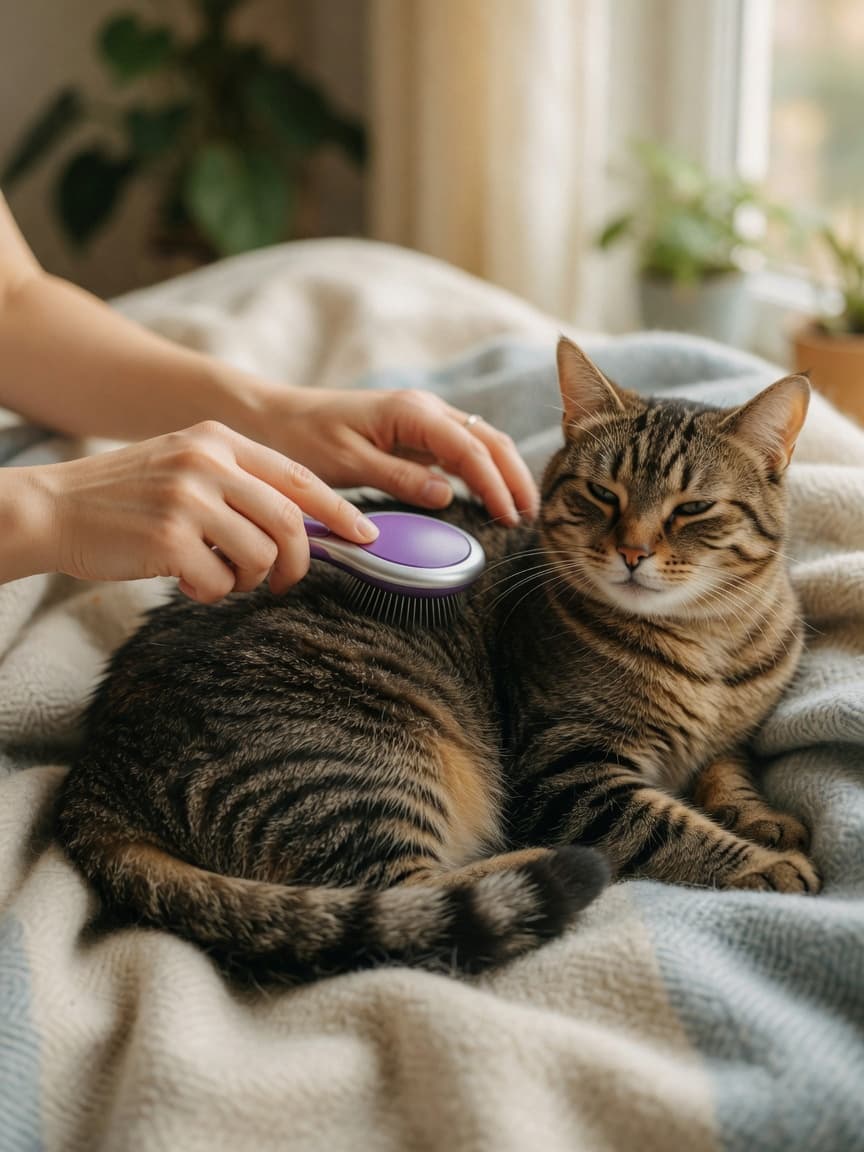
Brushing your cat might seem like a straightforward task, but there's genuinely a right and wrong way to do it. Many cat owners struggle with grooming because they're unsure about technique, frequency, or even why it matters so much. The truth is, regular brushing isn't just about keeping your feline friend looking pristine—it's essential for their health, comfort, and your relationship. Whether you have a long-haired Persian or a short-haired tabby, understanding the proper brushing technique will transform grooming from a battle into a bonding opportunity.
Why Brushing Your Cat Matters
Regular brushing offers far more benefits than aesthetics alone. It removes loose fur, preventing hairballs that can cause digestive issues or, in severe cases, require veterinary intervention. Brushing also distributes natural oils throughout your cat's coat, improving skin health and reducing dryness. Additionally, it allows you to spot potential health issues early—matted patches, skin infections, lumps, or parasites—before they become serious problems.
Perhaps most importantly, consistent brushing helps your cat become accustomed to being handled, which makes visits to the vet considerably less stressful.
Choosing the Right Brush for Your Cat
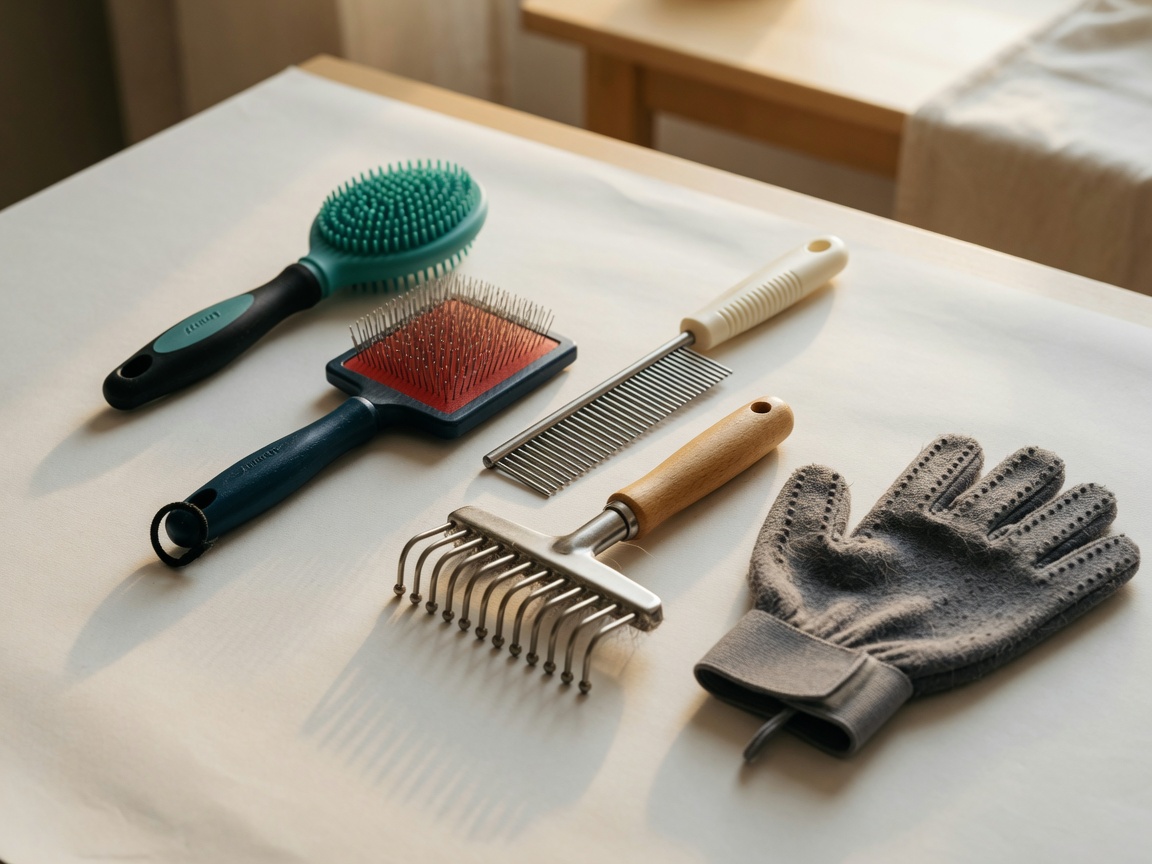
Not all brushes are created equal, and using the wrong tool can make your cat uncomfortable or even cause skin irritation. Your choice depends entirely on your cat's coat type:
- Short-haired cats: Use a rubber curry brush or slicker brush to gently remove loose fur
- Long-haired cats: Opt for a wide-toothed comb or slicker brush to prevent matting and tangles
- Double-coated breeds: A metal comb and undercoat rake work best to reach the dense undercoat
- Sensitive skin: Choose a soft rubber brush or grooming glove to avoid irritation
Many cat owners find that having two or three different tools on hand allows them to adjust based on their cat's mood and coat condition on any given day.
The Proper Brushing Technique
Technique is absolutely crucial. Here's how to brush your cat correctly:
- Choose the right time: Brush when your cat is relaxed and content—after meals or during their calm periods work well
- Use gentle, short strokes: Always brush in the direction of hair growth, using light pressure to avoid scratching the skin
- Pay special attention to sensitive areas: The belly, armpits, and behind the ears are prone to matting and tangles, but also more sensitive
- Work systematically: Start at the head and move backwards toward the tail, ensuring you cover the entire body
- Don't force it: If you encounter a mat, gently work through it rather than pulling. If it's severe, consider professional grooming
- Keep sessions short: Most cats tolerate 5-10 minutes of brushing; it's better to brush frequently for short periods than infrequently for long ones
Brushing Frequency Guidelines
How often you brush depends on your cat's coat length and type. Short-haired cats generally need brushing 1-2 times weekly, whilst long-haired breeds require daily attention to prevent matting. During shedding season (spring and autumn), increase frequency regardless of coat length. Cats with health conditions affecting their grooming ability—such as obesity or arthritis—may need more frequent brushing.
Making Brushing a Positive Experience
If your cat resists brushing, introduce it gradually. Start with just a few strokes, reward with treats or affection, and build up tolerance over time. Some cats respond better to grooming gloves than traditional brushes. Keep sessions upbeat and positive, stopping before your cat becomes frustrated or irritated.
Key Takeaways
Brushing your cat properly enhances their physical health, prevents serious complications like hairballs and matting, and strengthens your bond. Select the appropriate brush for your cat's coat type, use gentle techniques that follow the direction of hair growth, and establish a regular schedule that suits your cat's individual needs. With patience and consistency, brushing becomes a cherished routine that benefits your beloved feline friend for years to come.