
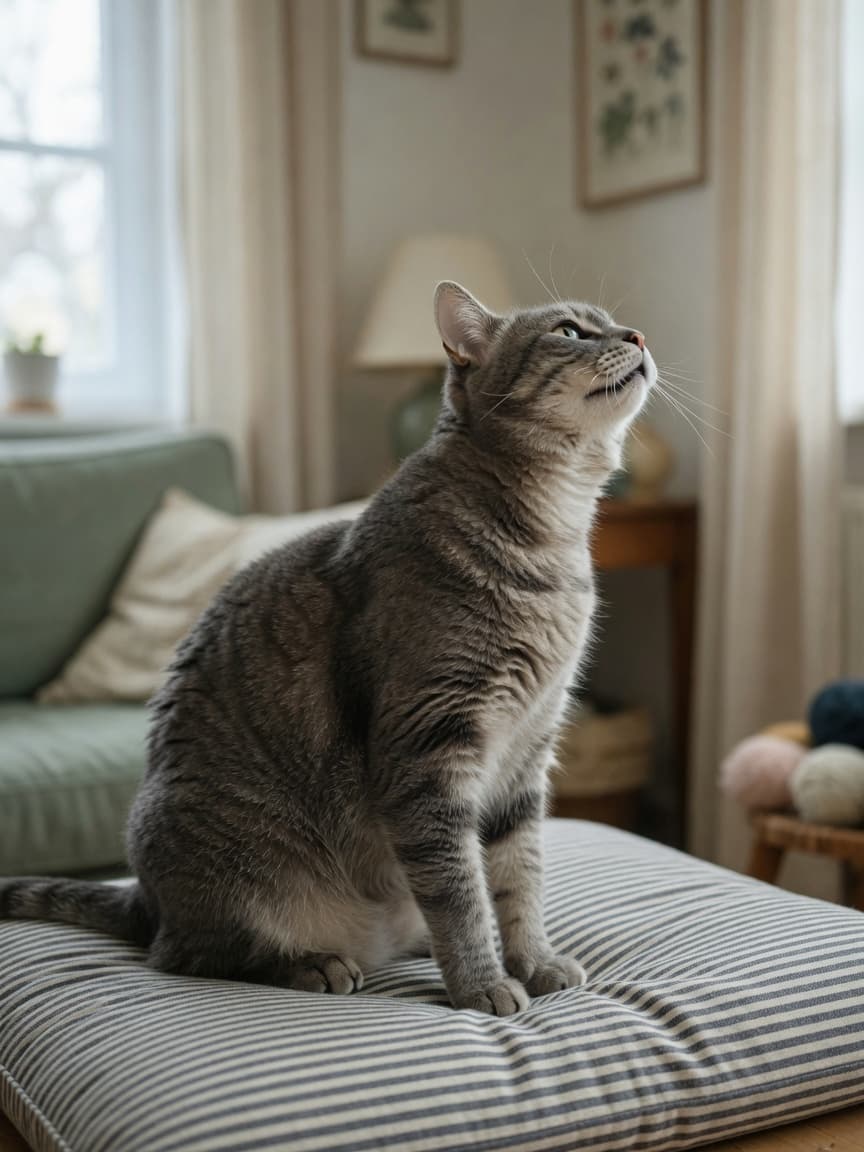
If you've ever heard your cat make a sudden, alarming snorting or gasping sound—almost as though they're struggling to breathe—you may have witnessed reverse sneezing. Despite its rather dramatic presentation, reverse sneezing is usually harmless and far more common than many cat owners realise. Understanding what it is, why it happens, and when you should be concerned can help you respond calmly if your feline friend experiences one of these episodes.
Understanding Reverse Sneezing in Cats
Reverse sneezing, medically known as "pharyngeal spasm" or "backwards sneezing," is an involuntary and repetitive inhalation through the nose. Unlike normal sneezing, where air is expelled outwards, reverse sneezing involves rapidly sucking air inwards. The episodes typically last between five and thirty seconds, though they can occasionally continue for a minute or two.
During an episode, your cat may extend their neck, make a snorting or honking sound, and appear to be choking or struggling. Their body remains fairly still, and they may seem startled or distressed. Whilst it looks uncomfortable—and certainly sounds concerning—the cat is breathing normally; they're simply experiencing a temporary spasm of the throat and soft palate.
Common Causes of Reverse Sneezing
Reverse sneezing can be triggered by several factors, ranging from environmental irritants to minor health issues:
- Allergies — Environmental allergens, dust, or pollen can irritate the throat and trigger episodes
- Nasal congestion — Upper respiratory infections or sinus congestion may cause reverse sneezing
- Irritants — Household aerosols, perfumes, smoke, or strong cooking odours can provoke spasms
- Excitement or stress — Sudden emotional changes can sometimes trigger episodes
- Rapid temperature changes — Moving from a warm room to cold air or vice versa
- Foreign materials — Occasionally, a small piece of food, dust, or debris may irritate the throat
- Eating too quickly — Gulping food or water rapidly can stimulate the reflex
When to Be Concerned
Most reverse sneezing episodes are completely harmless and require no treatment. However, you should contact your veterinary surgeon if:
- Episodes become very frequent (several times daily over several days)
- They last longer than a minute or two
- Your cat shows signs of respiratory distress between episodes
- There's discharge from the nose or mouth
- Your cat seems in pain or is unable to eat or drink normally
- The episodes are accompanied by coughing, wheezing, or lethargy
These signs could indicate a more serious condition such as asthma, polyps, or a respiratory infection that requires professional evaluation.
How to Help Your Cat During an Episode
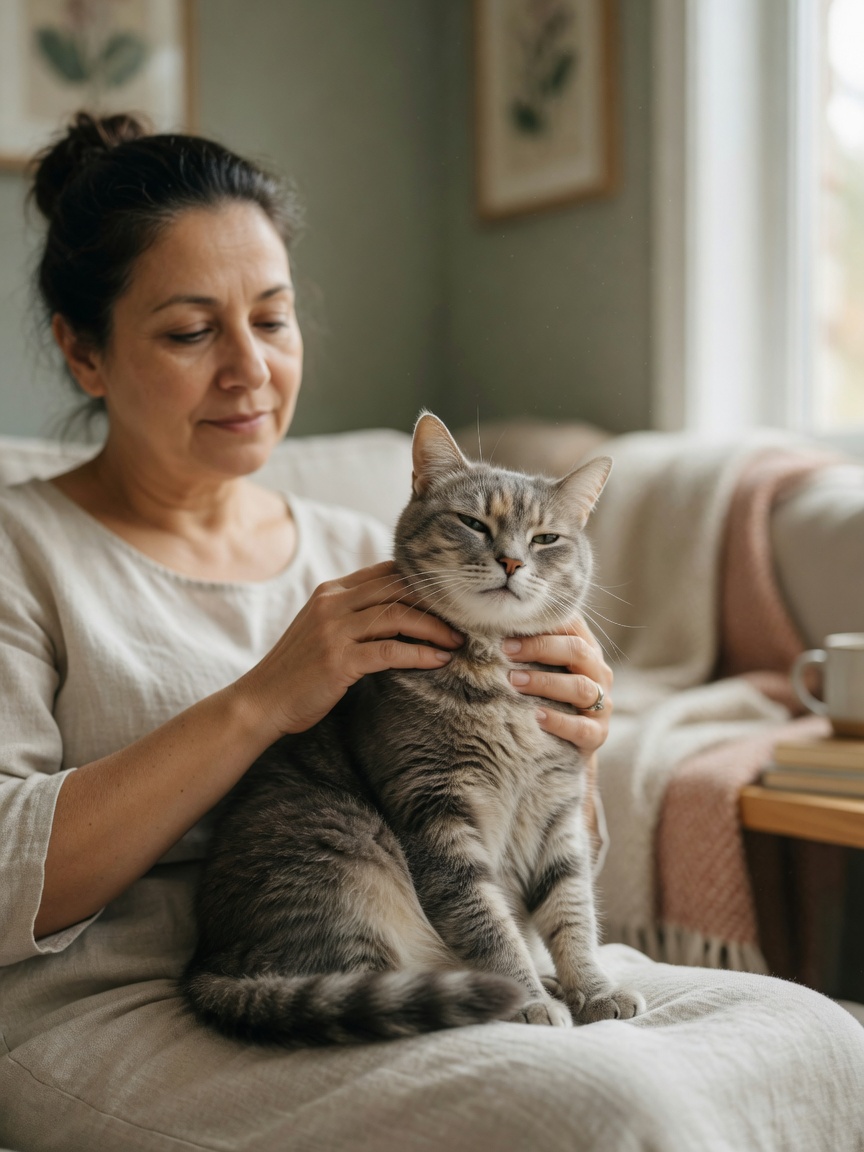
If your cat experiences reverse sneezing, the best approach is to remain calm and provide gentle reassurance. Most cats find it helpful if you:
- Stay quiet and avoid startling them further
- Gently stroke their back to help them relax
- Avoid sudden movements or loud noises
- Allow the episode to run its course—it will pass on its own
- Offer water after the episode ends, if they seem interested
Some owners find that lightly massaging their cat's throat or closing their mouth gently (allowing breathing only through the nose) can help terminate episodes more quickly, though this isn't necessary in most cases.
Prevention and Long-Term Management
Whilst you can't always prevent reverse sneezing, you can minimise triggers by maintaining a clean, dust-free environment. Use unscented cleaning products, avoid aerosol sprays, and ensure good air quality in your home. If your cat has allergies, discuss management options with your veterinary surgeon.
Key Takeaways
Reverse sneezing in cats is almost always harmless, though it can certainly look alarming to concerned pet owners. By understanding what it is and recognising the difference between normal episodes and signs of genuine illness, you can respond appropriately and keep your cat comfortable. Monitor your cat's episodes and contact your veterinary surgeon only if they become frequent, prolonged, or accompanied by other symptoms. Most cats experience reverse sneezing occasionally throughout their lives without any negative impact on their health or wellbeing.