
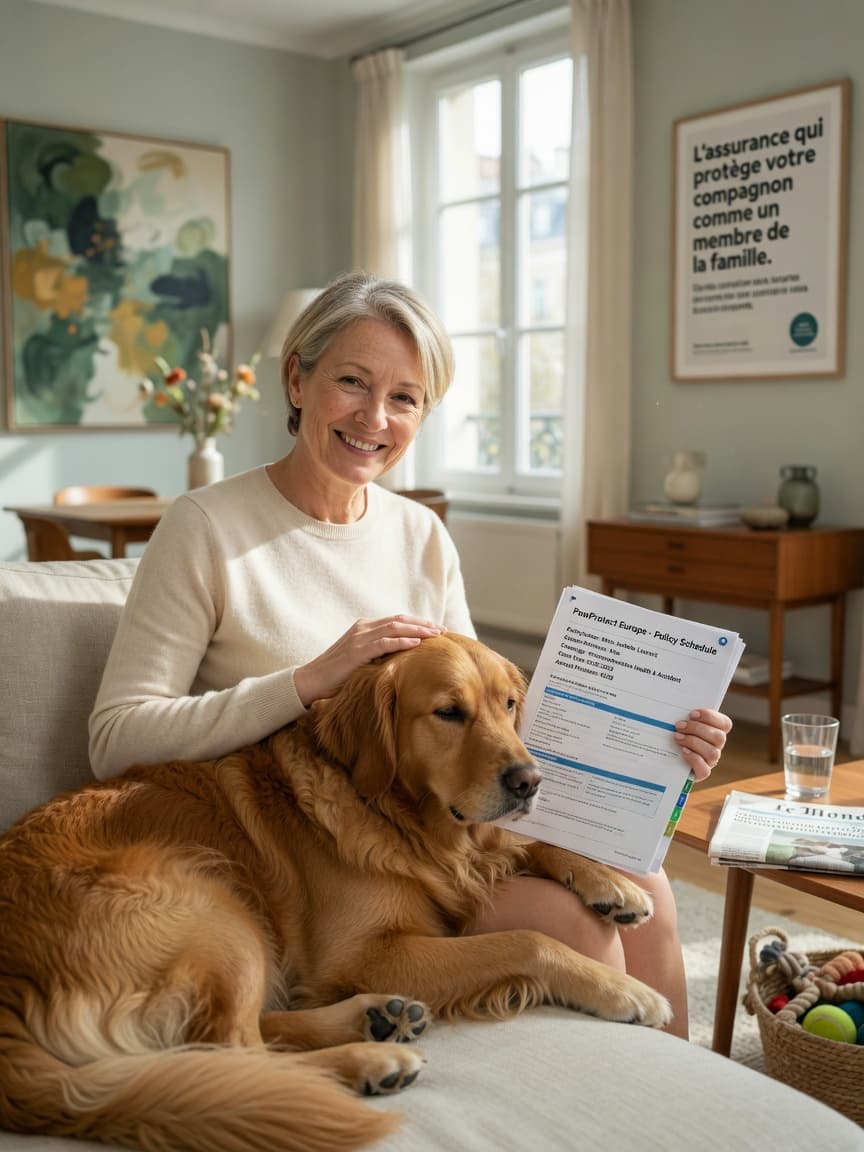
Veterinary costs have risen significantly over the past decade, and unexpected pet health emergencies can quickly drain even the most carefully planned budget. Pet insurance has emerged as a practical financial safety net for many European pet owners, offering peace of mind and enabling you to make healthcare decisions based on your pet's needs rather than your wallet. But is it the right choice for your family? Understanding how pet insurance works is the first step toward making an informed decision.
Understanding Pet Insurance: The Basics
Pet insurance operates on a relatively straightforward principle: you pay a monthly premium, and your insurer reimburses a percentage of eligible veterinary costs. Unlike human health insurance, most pet insurance policies are designed as reimbursement schemes rather than direct payment systems. This means you'll typically pay your vet upfront and submit a claim for reimbursement afterwards.
The concept originated in Sweden in 1890 and has become increasingly popular throughout Europe as pet ownership has grown and veterinary medicine has advanced. Today, millions of pet owners rely on insurance to manage their pets' healthcare costs.
How Pet Insurance Actually Works

Here's the typical process:
- You select a policy and pay your monthly premium
- You visit your veterinarian for treatment or routine care
- You pay the vet bill in full at the time of service
- You submit your receipt and claims form to your insurance provider
- The insurer reviews the claim and reimburses you based on your policy terms
Most policies operate on one of three models: accident-only cover (the most basic and affordable), accident and illness cover (comprehensive), or accident, illness, and wellness cover (premium). Deductibles, excess amounts, annual limits, and co-insurance percentages vary significantly between providers and policies.
Key Factors That Affect Your Premiums
- Pet's age: Younger animals typically have lower premiums, with costs increasing substantially after age seven
- Breed: Certain breeds with genetic predispositions to specific conditions may face higher premiums
- Medical history: Pre-existing conditions are rarely covered; your pet's health status matters
- Location: Veterinary costs vary regionally, affecting premium prices
- Coverage level: More comprehensive policies naturally cost more than basic accident-only cover
- Excess amount: Choosing a higher excess (deductible) reduces your monthly premium
Is Pet Insurance Right for You?
Pet insurance makes the most sense for pet owners who:
- Cannot comfortably afford unexpected veterinary bills of £500-£5,000
- Have young, healthy pets (ideally insured before any health issues develop)
- Want to prioritise their pet's health without financial constraints
- Own breeds prone to hereditary or breed-specific conditions
- Prefer comprehensive coverage including routine care
Conversely, pet insurance may not be necessary if you have substantial savings set aside for emergencies, own an elderly pet with established chronic conditions, or are willing to accept the financial risk yourself.
Important Questions to Ask Before Choosing a Policy
- Are pre-existing conditions excluded permanently or just for a waiting period?
- What are the annual and per-condition limits?
- Does the policy cover hereditary conditions relevant to your pet's breed?
- Is there a waiting period before coverage begins?
- How straightforward is the claims process?
- Are there restrictions on which veterinarians you can visit?
Key Takeaways
Pet insurance is a valuable tool for managing veterinary costs, but it's not a one-size-fits-all solution. The best time to insure your pet is when they're young and healthy. Compare policies carefully, read the fine print regarding exclusions and limits, and ensure you understand the reimbursement process. Ultimately, pet insurance should give you the confidence to pursue necessary medical care for your beloved companion without financial worry.
```