

Many dog owners wonder whether they can share their fruit snacks with their canine companions. Whilst dogs are primarily carnivores, certain fruits can make nutritious, low-calorie treats that support their overall health and wellbeing. However, not all fruits are safe for dogs, and some can be potentially harmful. This comprehensive guide will help you navigate which fruits are beneficial for your dog and which ones to avoid entirely.
Why Fruit Can Be Beneficial for Dogs
Fruits offer several advantages when incorporated appropriately into your dog's diet. They're rich in vitamins, minerals, and dietary fibre that support digestive health and immune function. Many fruits contain antioxidants that help reduce inflammation and support cognitive function in ageing dogs. Additionally, low-sugar fruits make excellent low-calorie treats for weight management and training rewards.
However, fruit should never replace a balanced, complete commercial or home-prepared diet. Instead, treats (including fruit) should comprise no more than 10% of your dog's daily caloric intake, with the remaining 90% coming from a nutritionally complete dog food.
Safe Fruits for Dogs
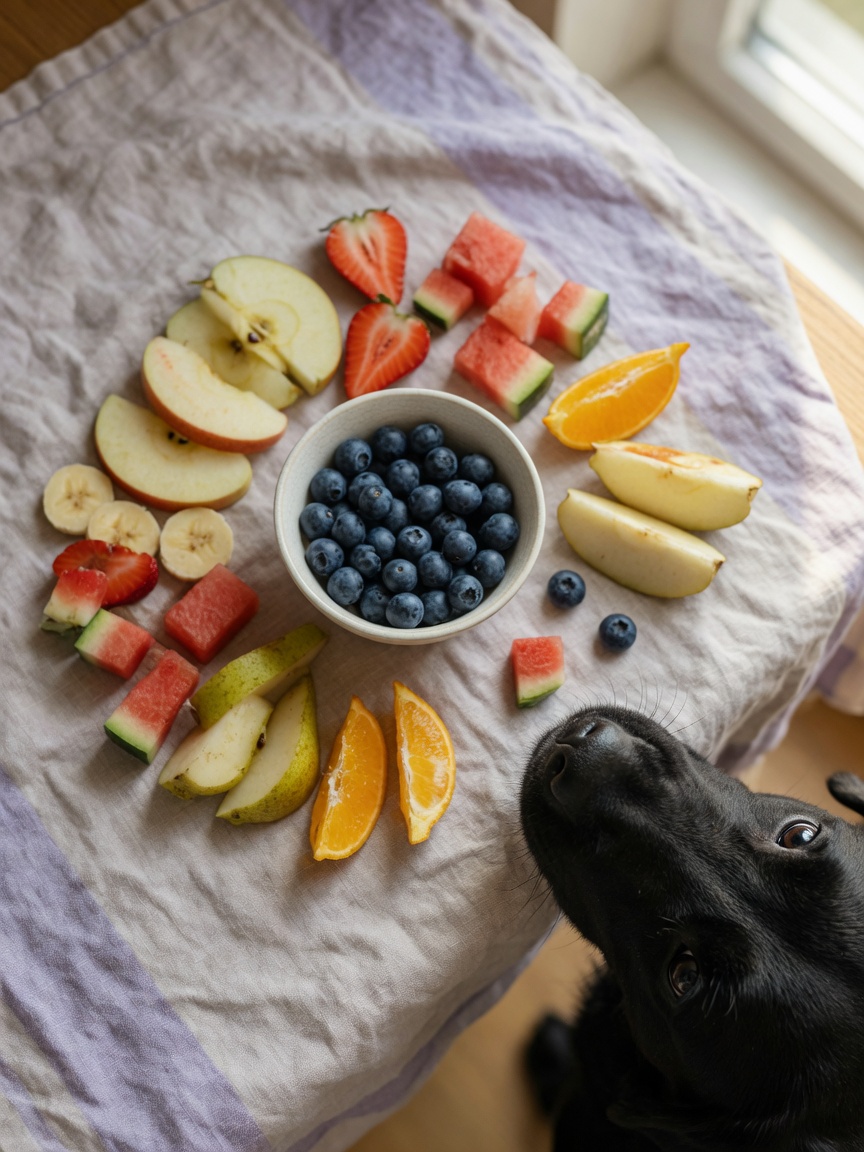
The following fruits are generally safe for dogs to eat in moderation:
- Apples – Remove seeds and core entirely, as they contain cyanogenic compounds. Serve in small, bite-sized pieces.
- Bananas – High in potassium and vitamin B6, though relatively high in natural sugars. Offer as an occasional treat.
- Blueberries – Excellent source of antioxidants and fibre; can be served fresh or frozen as mental enrichment.
- Watermelon – Hydrating and low in calories, but remove all seeds and rind before serving.
- Strawberries – Rich in vitamin C; serve in moderation due to natural sugar content.
- Pumpkin – Technically a fruit; beneficial for both constipation and diarrhoea due to fibre content.
- Pears – Remove seeds and core; serve in small portions.
- Oranges – Vitamin C-rich, though some dogs dislike the flavour. Remove pith and seeds.
Fruits to Avoid Completely
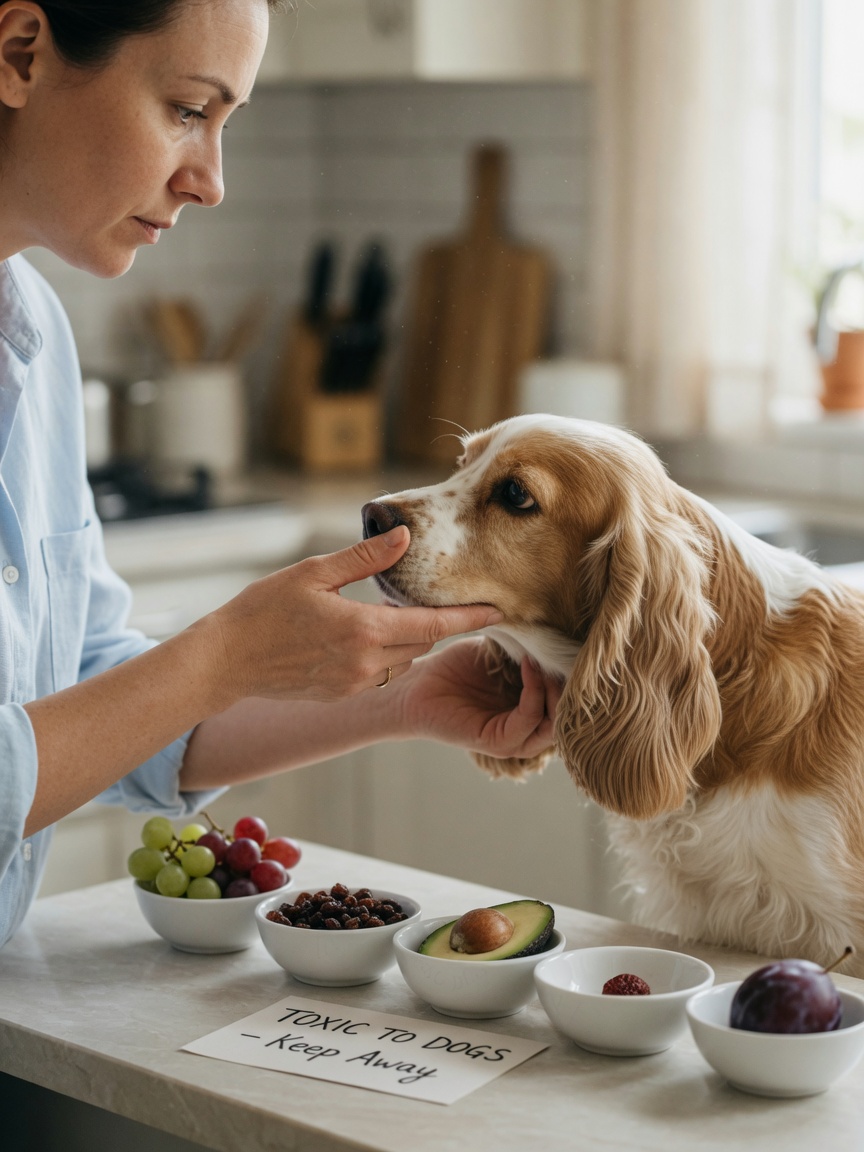
Some fruits are toxic to dogs and should never be given under any circumstances:
- Grapes and Raisins – These can cause acute kidney failure in dogs, even in small quantities. The mechanism remains poorly understood, but individual susceptibility varies widely.
- Avocados – Contain persin, which can cause gastrointestinal upset and vomiting.
- Macadamia Nuts – Can cause weakness, tremors, and hyperthermia in dogs.
- Cherries – The pit, stem, and leaves contain cyanogenic compounds dangerous to dogs.
- Plums – Like cherries, their pits are toxic. Additionally, the flesh can cause digestive upset.
Portion Sizes and Serving Guidelines
When introducing fruit to your dog's diet, start with small quantities to monitor for digestive sensitivity. A general guideline is to offer fruit pieces no larger than a marble for small breeds and no larger than a grape for medium to large breeds. Fresh fruit is preferable to processed or dried varieties, which concentrate natural sugars.
For dogs with diabetes or obesity, consult your veterinary surgeon before offering fruit, as even natural sugars can impact blood glucose levels and caloric balance.
Practical Tips for Serving Fruit Safely
Always wash fruit thoroughly under running water before serving. Remove all seeds, cores, pits, and stems, as many contain toxic compounds or pose choking hazards. Frozen fruit can provide engaging enrichment during warm weather, particularly for dogs experiencing mild teething discomfort. Consider offering fruit in a puzzle toy or frozen within an ice cube tray for extended enjoyment.
Key Takeaways
Offering appropriate fruits can enhance your dog's nutritional intake and provide engaging treat alternatives. Stick to safe options in proper portions, always remove potential hazards like seeds and pits, and maintain fruit treats within the 10% daily treat allowance. When in doubt about specific fruits or your individual dog's suitability for any new food, consult your veterinary surgeon. With these guidelines in mind, you can confidently share wholesome fruit treats with your canine companion.