

Understanding your dog's needs and desires is one of the most rewarding aspects of pet ownership. Our canine companions communicate constantly through body language, behaviour, and vocalisation, yet many of us struggle to interpret what they're truly asking for. Whether your dog is jumping at the door, whining persistently, or displaying destructive behaviour, there's usually a genuine need or want driving their actions. By learning to recognise these signals, you'll strengthen your bond and create a happier, more harmonious household.
Physical Exercise and Mental Stimulation
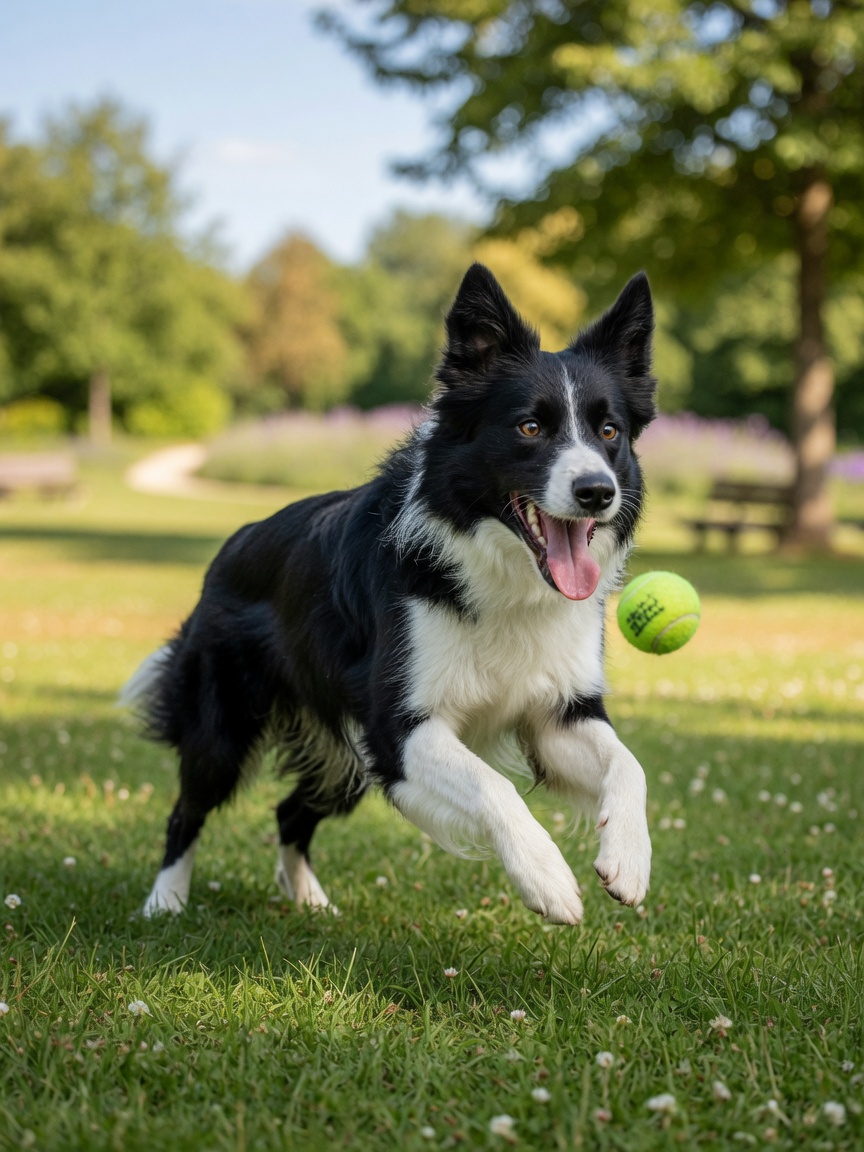
The most common want from dogs is adequate exercise. A tired dog is typically a well-behaved dog. Most adult dogs require at least one to two hours of daily physical activity, though this varies by breed, age, and individual temperament. High-energy breeds like Border Collies and Springer Spaniels often need significantly more.
However, physical exercise alone isn't enough. Dogs crave mental stimulation equally. Without it, even well-exercised dogs may develop behavioural problems like excessive barking, destructive chewing, or digging.
- Daily walks in varied environments
- Interactive play sessions with toys
- Training sessions and learning new commands
- Puzzle feeders and sniff games
- Socialisation with other dogs and people
Comfort, Safety, and Security

Your dog wants to feel safe in their environment. This includes having a designated sleeping area—a bed or crate where they can retreat undisturbed. Dogs are denning animals by nature and appreciate a cosy, secure space of their own. Consistent routines also provide emotional security, helping your dog understand what to expect throughout the day.
Anxiety-related behaviours, such as excessive panting, pacing, or clinginess, often indicate your dog is seeking reassurance. Creating a calm environment during stressful situations (fireworks, thunderstorms, or vet visits) demonstrates that you understand their need for safety.
Food and Access to Fresh Water
Whilst this seems obvious, many behavioural issues stem from nutritional inadequacy or inappropriate feeding schedules. Your dog wants food that nourishes them properly and a consistent feeding routine they can rely on. Most adult dogs thrive on two meals daily, spaced approximately eight to twelve hours apart.
Fresh water should be available at all times. Dehydration can lead to both physical and behavioural problems. If your dog is consistently asking for water or food, consult your veterinarian to rule out underlying health conditions like diabetes or thyroid dysfunction.
Social Connection and Attention
Dogs are pack animals with an inherent need for social bonding. Your dog wants your attention, affection, and companionship. This doesn't mean constantly entertaining them, but rather consistent, quality interactions. Even ten minutes of focused play or training can satisfy this need.
Attention-seeking behaviours—jumping, barking, or bringing you toys—are your dog's way of communicating that they need connection. Rather than ignoring these behaviours, redirect them positively with scheduled play or training sessions.
Boundaries and Leadership
Contrary to popular belief, dogs genuinely want boundaries and structure. Clear rules help them understand their world and reduce anxiety. Dogs want a confident leader they can trust to make safe decisions for the pack. Inconsistent rules or permissive ownership often results in anxious, destructive behaviour.
Health and Comfort
Your dog wants to feel well. Excessive whining, panting, or changes in behaviour often signal pain or illness. Regular veterinary check-ups, preventative care, and prompt attention to health concerns demonstrate that you're meeting this fundamental need.
Key Takeaways
Your dog's wants ultimately boil down to five essentials: appropriate exercise and mental stimulation, security and comfort, proper nutrition and hydration, social connection, and consistent boundaries. By recognising and responding to these needs thoughtfully, you're not just meeting your dog's wants—you're building a foundation for a long, happy, and balanced life together. When your dog behaves in ways that puzzle you, pause and consider which of these fundamental needs might not be fully met. Often, the answer lies in simple, loving adjustments to your daily routine.