
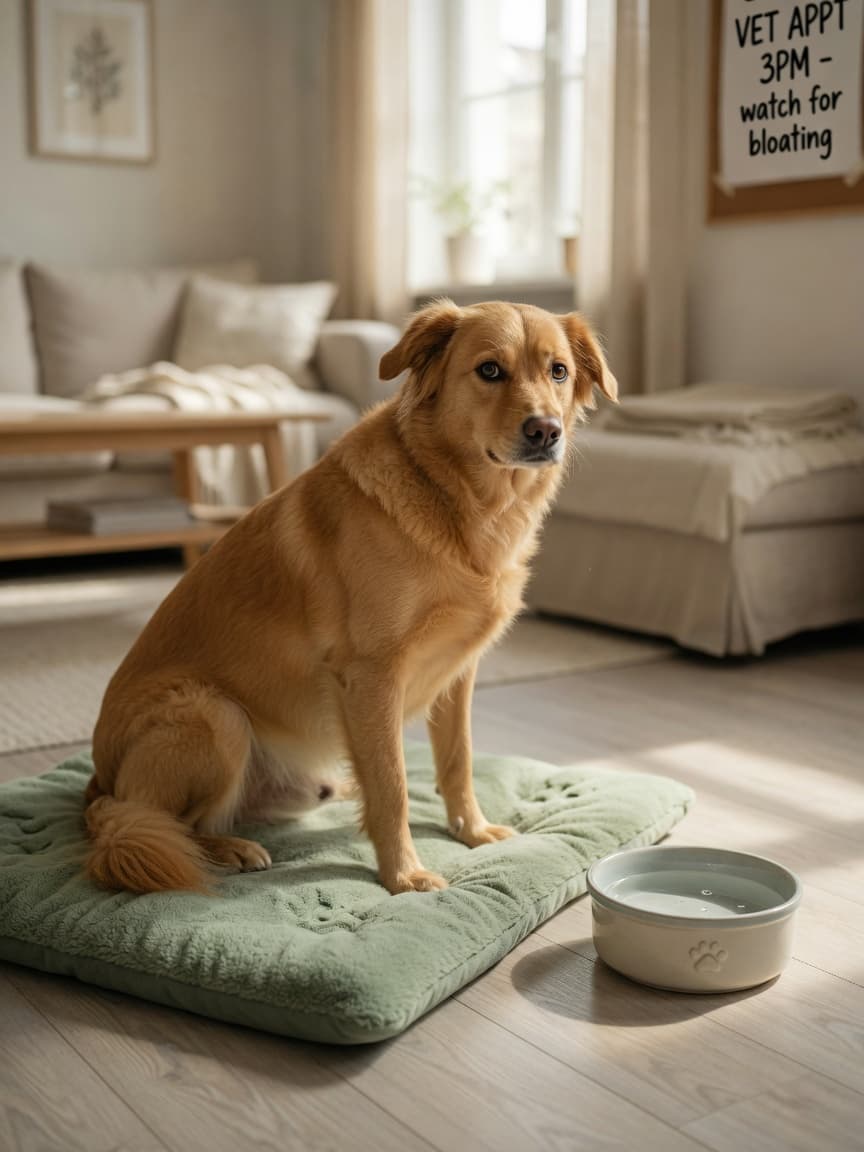
Occasional constipation in dogs is a common concern that many pet owners face, yet it's often manageable with simple, practical interventions. If your dog hasn't had a bowel movement for more than a day or is straining uncomfortably, there are several safe, evidence-based approaches you can try at home before consulting your vet. This guide will help you understand what relief options are available and when to seek professional advice.
Understanding Why Dogs Get Constipated
Before addressing solutions, it's helpful to understand the underlying causes. Occasional constipation in dogs can result from insufficient exercise, dehydration, dietary changes, or even stress. Older dogs and certain breeds with naturally lower activity levels are more susceptible. By identifying the cause, you can implement more targeted relief strategies.
Increase Hydration First
Dehydration is one of the most common culprits behind occasional constipation. The colon draws moisture from faeces, and when your dog isn't drinking enough water, stools become hard and difficult to pass.
- Encourage fresh water intake by providing multiple water bowls throughout your home
- Add a splash of low-sodium broth to your dog's water to make it more appealing
- Consider a pet water fountain, as some dogs prefer running water
- Monitor daily water consumption, which should typically be 50-60ml per kilogramme of body weight
Dietary Adjustments and Fibre
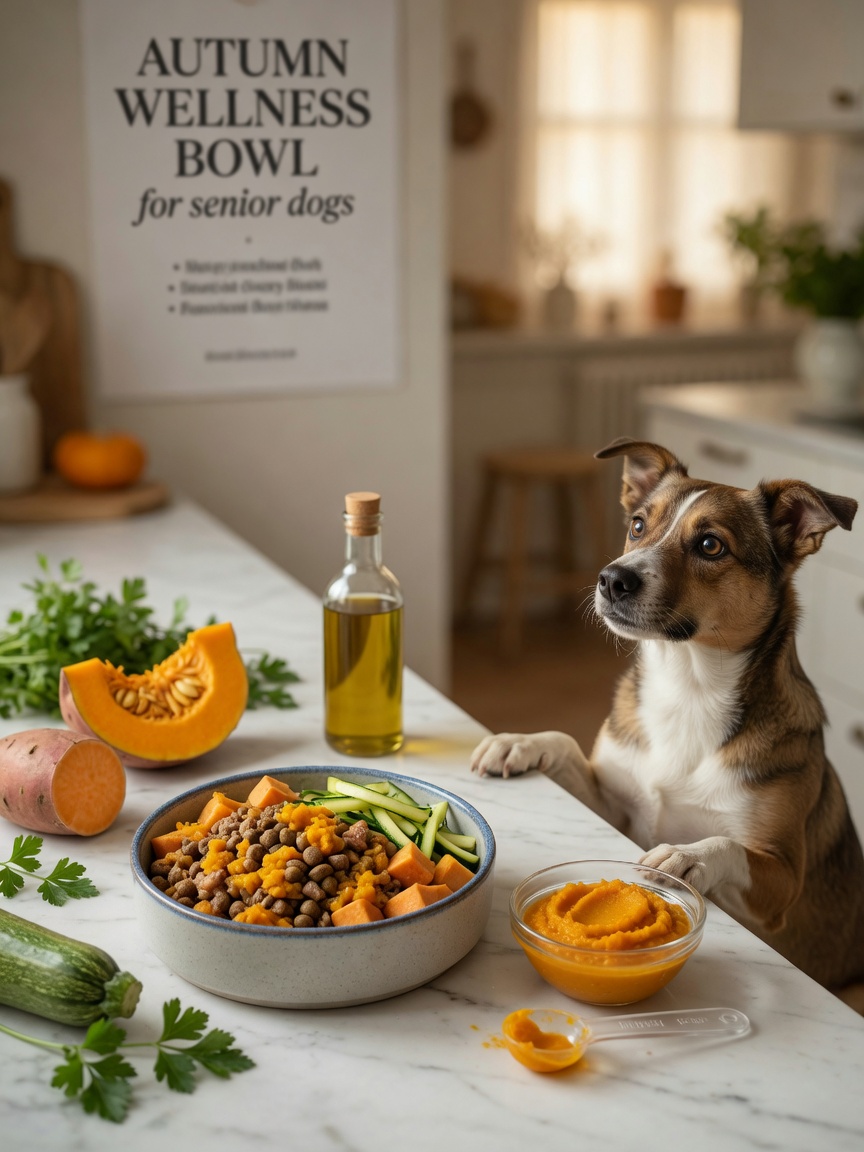
Adjusting your dog's diet is often the most effective natural remedy for constipation.
- Pumpkin puree: Plain, tinned pumpkin (not pie filling) is rich in both soluble and insoluble fibre. A tablespoon mixed into your dog's food can work wonders within 24 hours.
- Psyllium husk: A natural fibre supplement that you can sprinkle onto food; typically 1 teaspoon per 10kg of body weight, twice daily
- Sweet potato or courgette: Steamed and added to meals for gentle fibre boost
- Olive oil: A teaspoon mixed into food acts as a mild lubricant
- Wet food: Temporarily switching to tinned or fresh food increases moisture content
Introduce any dietary changes gradually over three to five days to avoid upsetting the digestive system further.
Increase Physical Activity
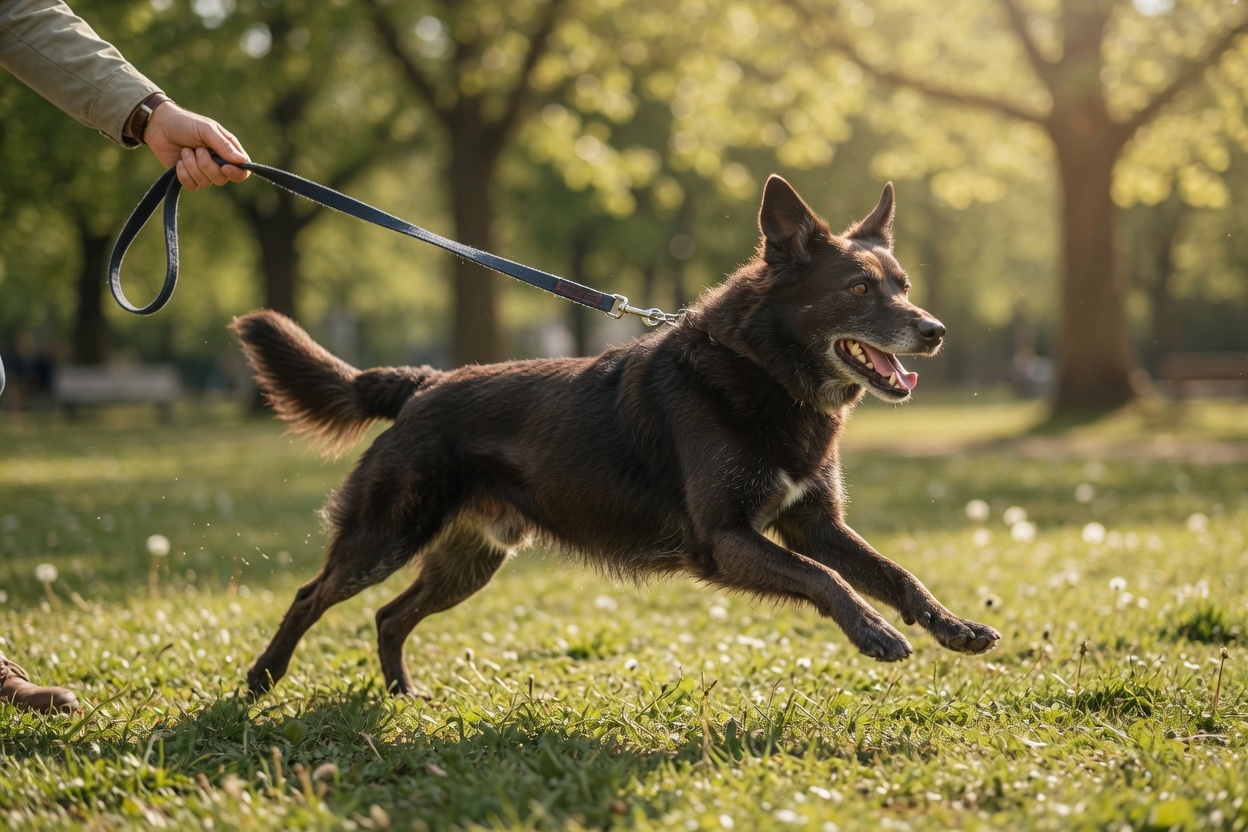
Exercise stimulates the digestive tract and helps move faeces through the colon naturally. A longer walk than usual or extra playtime often provides relief within a few hours. Even if your dog isn't keen, gentle movement encourages gut motility.
When to Consult Your Vet
Whilst occasional constipation is usually manageable at home, professional advice is necessary if:
- Constipation persists for more than 48 hours despite home remedies
- Your dog shows signs of pain, abdominal distension, or loss of appetite
- Constipation is a recurring issue
- Your dog is elderly or has underlying health conditions
- You suspect ingestion of a foreign object or bone
Your vet may recommend safe medication or investigate underlying conditions like hypothyroidism or megacolon.
Key Takeaways
Managing occasional dog constipation typically starts with hydration, dietary fibre, and exercise. Pumpkin puree and increased water intake are your first lines of defence, with results often visible within 24 hours. Always introduce changes gradually and monitor your dog's response. Most cases resolve with these simple measures, but don't hesitate to contact your vet if symptoms persist or your dog shows signs of discomfort. Remember, occasional constipation is different from chronic issues—consistent problems warrant professional evaluation to rule out underlying health concerns.