
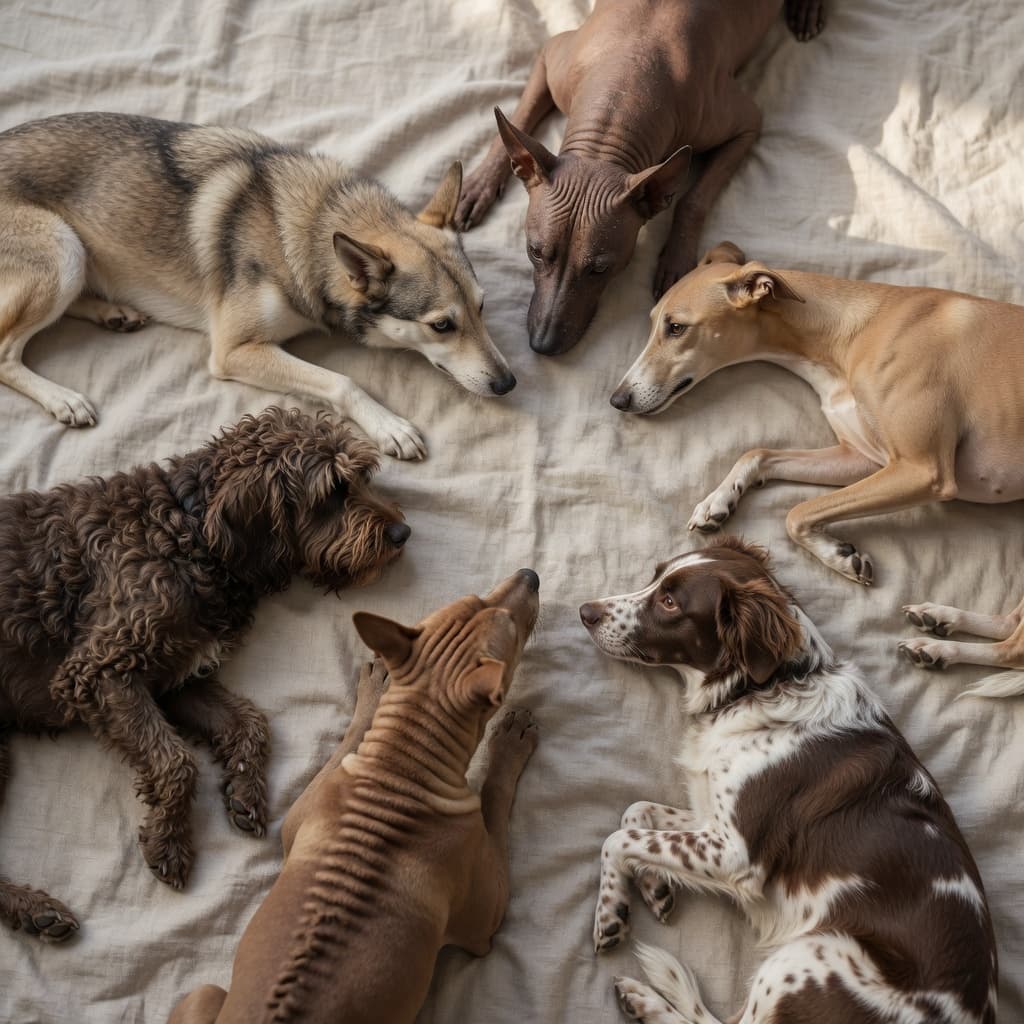
The world of dog breeding is filled with remarkable diversity, yet some breeds remain extraordinarily rare and lesser-known outside their countries of origin. These uncommon dogs often possess fascinating histories, specialised characteristics, and devoted followings amongst breed enthusiasts. Whether you're considering welcoming a rare breed into your home or simply curious about canine diversity, understanding these exceptional dogs provides valuable insight into selective breeding and cultural heritage. This article explores some of the world's rarest dog breeds, their origins, and what makes them special.
Understanding Rare Dog Breeds
A dog breed is typically classified as rare when registration numbers remain consistently low, often numbering fewer than a few hundred registrations annually. These breeds may have originated as working dogs for specific purposes—hunting, herding, or guarding—in isolated regions. As globalisation has increased, some traditional breeds have become endangered, whilst others remain geographically concentrated in their homeland. Rarity doesn't necessarily indicate health problems or undesirability; rather, it often reflects limited geographical distribution and smaller breeding populations.
The Rarest Dog Breeds in the World
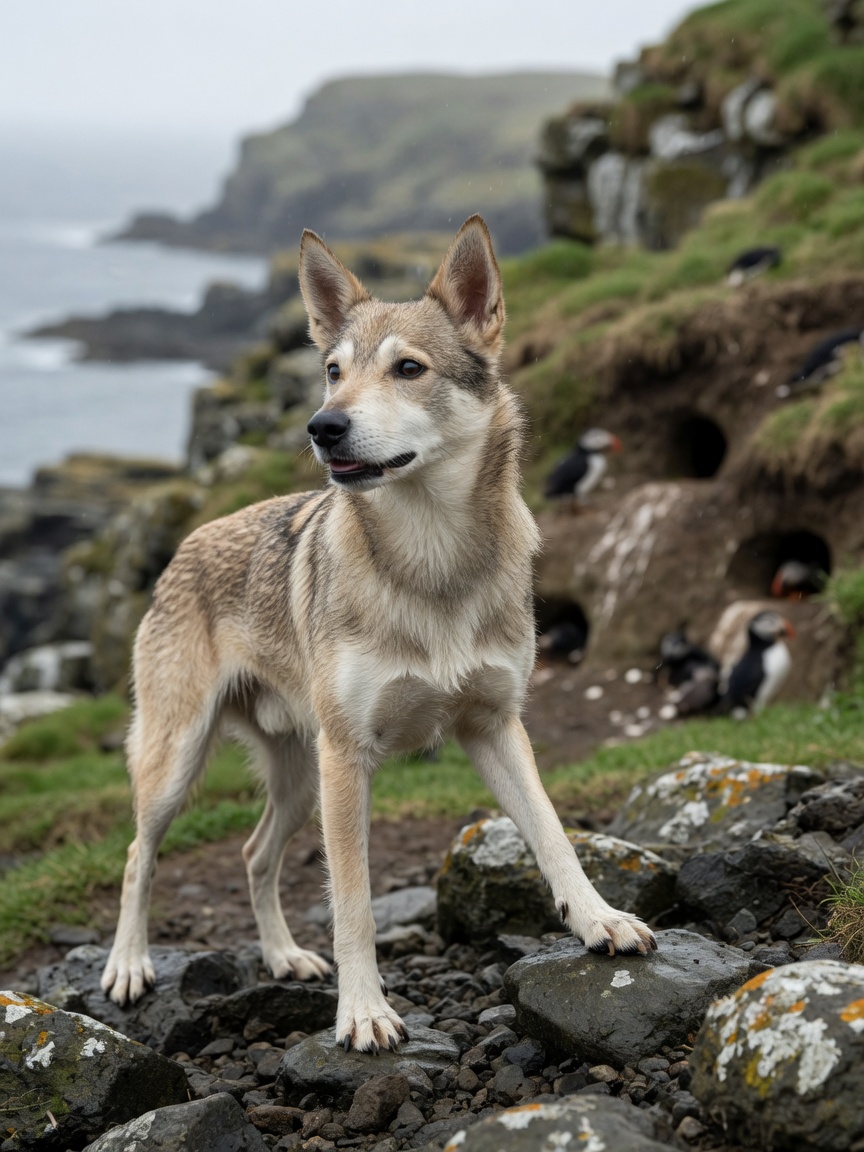
- Xoloitzcuintli (Mexican Hairless Dog) – One of the world's oldest dog breeds, dating back to pre-Columbian times. These hairless, elegant dogs are native to Mexico and remain relatively uncommon outside their homeland.
- Norwegian Lundehund – An ancient Scandinavian breed originally used for hunting puffins. With only a handful of breeders worldwide, these distinctive six-toed dogs represent extreme rarity.
- Azawakh – A slender sighthound from West Africa, primarily found in Mali, Mauritania, and Niger. Their elegant, athletic build and devoted temperament make them prized within their regions.
- Otterhound – Originally bred in medieval Britain for hunting otters, this webbed-footed breed faces declining numbers. UK registration figures suggest fewer than 50 puppies born annually.
- Thai Ridgeback – A muscular, intelligent breed from Thailand with a distinctive ridge of hair along its spine. Despite growing interest, global populations remain modest.
- Stabyhoun – A Dutch hunting dog from Friesland, relatively unknown outside the Netherlands and Belgium.
Why Are These Breeds So Rare?
Several factors contribute to breed rarity. Geographical isolation historically limited breeding and distribution—many rare breeds developed in remote areas with small human populations. Modern transport and globalisation have changed this, yet some breeds never achieved international popularity. Additionally, breed-specific working purposes may have become obsolete. For instance, the Otterhound's original role in otter hunting is largely no longer practised in modern Britain. Economic factors also play a role; specialised breeding requires knowledge, resources, and dedication that few breeders can sustain, particularly when demand remains low.
Considerations Before Adopting a Rare Breed

Owning a rare breed presents unique challenges and rewards. Before committing, consider these important factors:
- Find reputable breeders through breed clubs and kennel clubs, not online marketplaces
- Research breed-specific health concerns with your veterinary surgeon
- Prepare for limited availability of breed-specific products and services
- Connect with breed communities early for training and behavioural guidance
- Understand the breed's original purpose and inherent temperament traits
- Budget for potential difficulty finding emergency veterinary care familiar with the breed
Supporting Rare Breed Preservation
If you're passionate about rare breeds, several meaningful ways exist to contribute to their preservation. Engaging with breed clubs, supporting responsible breeders, and sharing breed awareness through education helps sustain populations. Adoption, when available, also provides valuable support to breed preservation efforts. Many rare breed enthusiasts work tirelessly ensuring these dogs don't disappear from our world.
Key Takeaways
Rare dog breeds represent living links to cultural heritage and historical working traditions. Whether the ancient Xoloitzcuintli or the specialised Norwegian Lundehund, these exceptional dogs deserve recognition and protection. Should you consider welcoming a rare breed into your family, thorough research, veterinary consultation, and connection with breed communities are essential. These remarkable dogs reward dedicated owners with unique characteristics and profound loyalty, enriching the lives of those privileged enough to share their homes with them.