
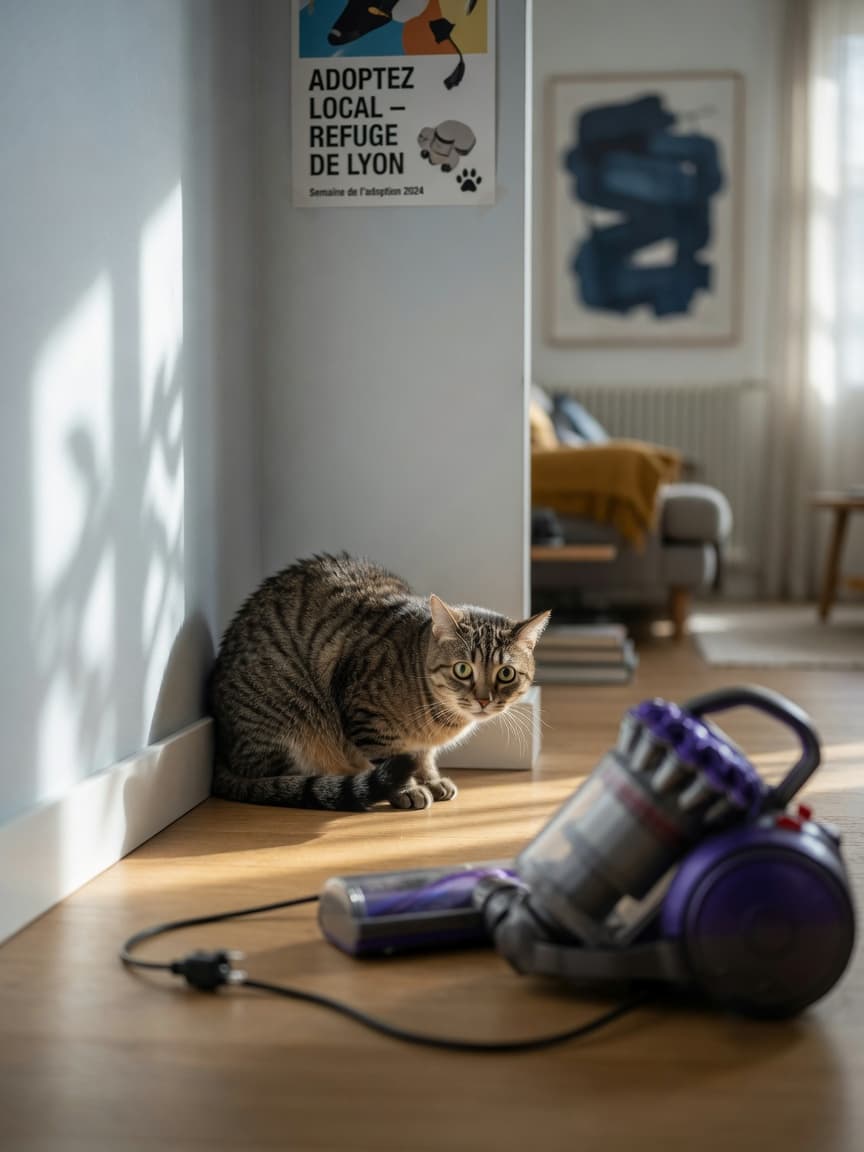
Cats have a reputation for being independent and aloof, yet they experience fears and anxieties just like any other animal. Understanding what frightens your feline friend isn't simply a matter of curiosity—it's essential for creating a safe, comfortable home where your cat can thrive. Whether your cat trembles at the sound of the hoover or hides when visitors arrive, recognising and addressing these fears can significantly improve their quality of life and strengthen your bond.
Understanding Feline Fear Responses
Cats are naturally cautious creatures, and this wariness served them well as solitary hunters in the wild. However, when fear becomes excessive or persistent, it can develop into anxiety that impacts your cat's behaviour, eating habits, and overall wellbeing. The key is distinguishing between normal caution and problematic anxiety that requires intervention.
The 10 Most Common Cat Fears
- Loud Noises: Fireworks, thunderstorms, and household appliances like hoovers and hair dryers can cause genuine distress in cats due to their sensitive hearing.
- Unfamiliar People: Visitors and strangers in your home can trigger hiding behaviour or aggressive reactions in anxious cats.
- Other Animals: Dogs, other cats, or even small pets can provoke fear-based responses, particularly if your cat hasn't been properly socialised.
- Water and Baths: The majority of cats dislike water immersion, which can be stressful and lead to avoidance behaviours.
- Veterinary Visits: The combination of unfamiliar surroundings, handling, and medical procedures often creates significant anxiety.
- Changes in Environment: Cats thrive on routine, so moving house, rearranging furniture, or introducing new items can cause stress.
- Being Restrained: Many cats panic when held or confined, preferring to control their own movements and escape routes.
- Sudden Movement: Quick, unpredictable motions can startle cats, particularly if they're already anxious or have had negative experiences.
- Certain Scents: Strong smells like citrus, perfume, or cleaning products can overwhelm cats' sensitive olfactory systems.
- Being Alone: Contrary to popular belief, some cats suffer from separation anxiety when left alone for extended periods.
Recognising Signs of Fear in Your Cat

Cats communicate their anxiety through specific behaviours and body language. Watch for:
- Dilated pupils and flattened ears
- Trembling or freezing in place
- Excessive grooming or hair loss
- Loss of appetite or changes in eating habits
- Inappropriate toileting outside the litter tray
- Hiding for extended periods
- Hissing, growling, or swatting defensively
How to Help Your Anxious Cat
Creating a fear-free environment requires patience, consistency, and understanding. Provide safe spaces—such as quiet rooms with hiding spots, elevated perches, and familiar bedding—where your cat can retreat when frightened. Use pheromone diffusers, which release calming cat pheromones into the environment, to reduce anxiety naturally.
Gradually expose your cat to feared stimuli through a process called desensitisation. For example, if your cat fears the hoover, start by simply having the unplugged hoover in the room whilst offering treats and praise. Slowly increase exposure over weeks until your cat becomes accustomed to its presence.
Never force interaction during moments of fear—this reinforces anxiety. Instead, allow your cat to approach at their own pace, and reward brave behaviour with treats and affection.
When to Consult Your Veterinarian
If your cat's fears are severely impacting their daily life, preventing them from eating, or causing aggressive behaviour, consult your vet. They may recommend behaviour modification techniques, environmental management strategies, or in some cases, anxiety medication to help your cat feel more secure.
Key Takeaways
Understanding your cat's fears is the first step towards creating a supportive, anxiety-reducing home environment. By recognising fear signals, providing safe spaces, and using patience-based training techniques, you can help your feline companion overcome anxieties and enjoy a happier, more confident life. Remember: every cat is unique, and what frightens one may barely concern another. Tailor your approach to your individual cat's needs, and don't hesitate to seek professional guidance when necessary.