
Why Weight Loss in Senior Cats Is Never Normal
It is a common misconception that cats simply thin out as they age. While muscle mass changes do occur with advancing years — a process called sarcopenia — unexplained weight loss is always a medical signal that deserves investigation. A cat who loses even a small percentage of their body weight over weeks or months may be dealing with a serious underlying condition. Catching it early makes an enormous difference to outcomes.
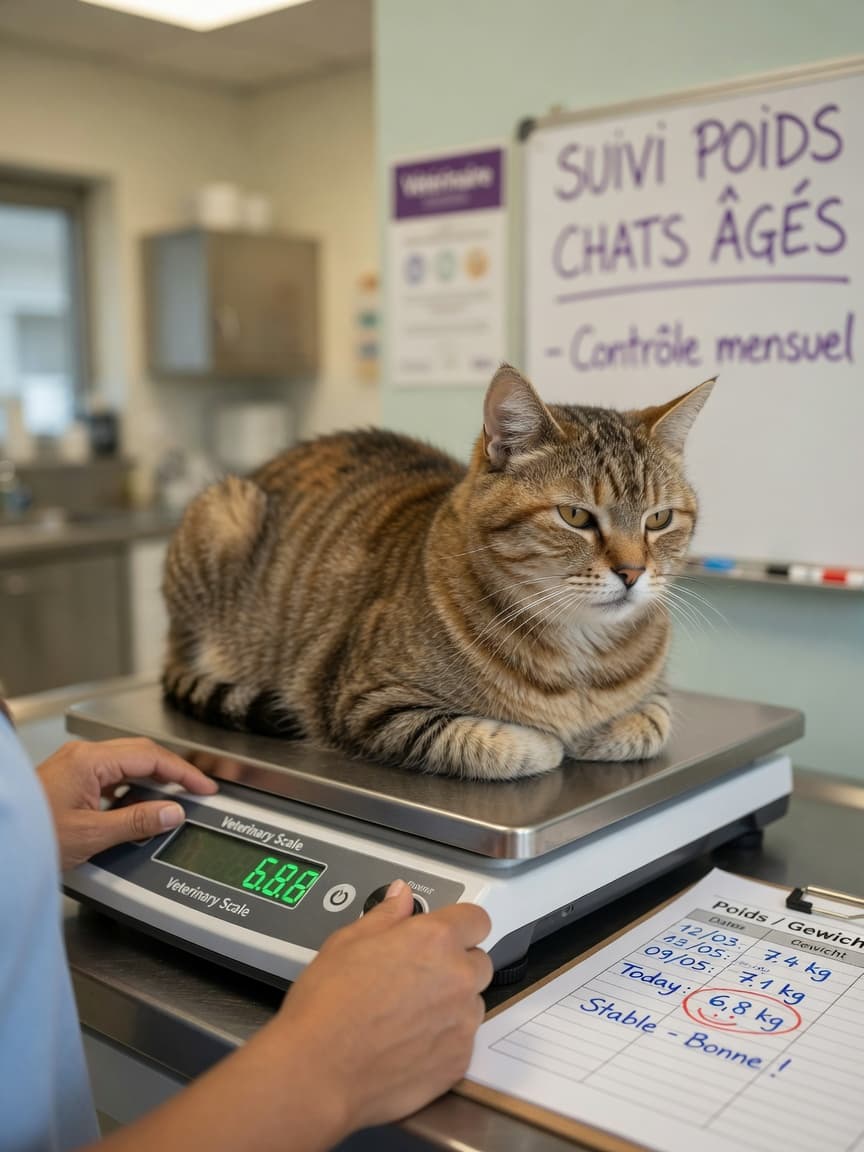
Cats are adept at hiding illness, and because weight loss is gradual, it often goes unnoticed until it becomes significant. Monthly weigh-ins at home or at the vet are the single most effective tool for catching early weight loss in senior cats. Even a 100-gram loss in a four-kilogram cat represents a 2.5 per cent body weight reduction — worth noting and monitoring.
The Twelve Causes Most Frequently Found in Senior Cats
1. Hyperthyroidism
The most common cause of weight loss in cats over ten years old. An overactive thyroid gland accelerates metabolism to the point where cats burn calories faster than they can consume them. Despite often having a ravenous appetite — sometimes eating more than ever — affected cats lose weight steadily. Other signs include increased thirst, vomiting, diarrhoea, hyperactivity, and a poor, matted coat. Diagnosis is straightforward with a blood test, and treatment options including medication, radioactive iodine, or surgery are effective.
2. Chronic Kidney Disease
Kidney disease is the leading cause of death in domestic cats and causes weight loss through multiple mechanisms — reduced appetite, nausea, protein loss through damaged kidneys, and altered metabolism. Affected cats typically also drink and urinate more. Early detection through routine blood and urine screening allows dietary management and medical support to slow progression significantly.
3. Diabetes Mellitus
Diabetic cats cannot utilise glucose effectively for energy and instead break down fat and muscle. The classic presentation is weight loss despite increased appetite, alongside excessive thirst and urination. Urine may smell unusually sweet. Diabetic cats are also prone to a characteristic plantigrade stance — walking on their hocks rather than their toes — due to diabetic neuropathy.
4. Inflammatory Bowel Disease
Chronic inflammation of the intestinal lining impairs nutrient absorption, leading to progressive weight loss even in cats eating reasonable amounts. Vomiting and diarrhoea may be present but are not always prominent. Diagnosis typically requires intestinal biopsies, though ultrasound changes and elevated cobalamin (B12) levels support the diagnosis. Management involves dietary modification and immunosuppressive therapy.
5. Small Cell Lymphoma
The most common intestinal tumour in older cats, small cell lymphoma is often confused with inflammatory bowel disease both clinically and diagnostically. It tends to respond well to treatment with chlorambucil and prednisolone, with many cats achieving remission for a year or more. Distinguishing it from IBD matters because the prognosis and treatment differ, making biopsy and specialist pathology important.
6. Dental Disease
Painful mouths make eating difficult and unpleasant. Cats with severe dental disease, tooth resorption, or stomatitis may reduce their food intake significantly over time, leading to gradual weight loss that owners attribute to other causes. A veterinary oral examination under sedation often reveals conditions far more advanced than external inspection suggests.
7. Pancreatitis
Chronic pancreatitis is common in cats and frequently occurs alongside inflammatory bowel disease and cholangitis in a triad that veterinary clinicians refer to as "triaditis." Appetite suppression is a primary consequence. Diagnosis can be challenging as classical signs are often absent; the feline pancreatic lipase test is the most accessible diagnostic tool.
8. Liver Disease
Conditions including hepatic lipidosis, cholangitis, and portosystemic shunts affect appetite and nutrient processing. Hepatic lipidosis — fatty liver disease — is uniquely dangerous in cats because it can be precipitated by any period of reduced food intake, meaning that a cat losing weight from any cause is at risk of developing a secondary liver crisis if not eating adequately.
9. Heart Disease
Hypertrophic cardiomyopathy and other cardiac conditions cause a metabolic state that increases caloric requirements while often reducing appetite. Cardiac cachexia — muscle wasting associated with heart disease — is a recognised phenomenon in cats. Respiratory signs, exercise intolerance, and occasional collapse may accompany weight loss.
10. Cancer Beyond the Intestine
Tumours throughout the body — mediastinal lymphoma, mammary tumours, nasal tumours, mast cell tumours — can cause systemic weight loss through inflammatory cytokines, metabolic disruption, pain, and appetite suppression. Weight loss may be the earliest detectable sign of malignancy in some cats.
11. Pain and Mobility Impairment
Cats with arthritis or other painful conditions may struggle to reach food and water bowls, particularly if these are positioned in ways that require uncomfortable postures. Chronic pain also suppresses appetite directly through stress hormones and nausea.
12. Anxiety and Environmental Stress
Cats are sensitive to environmental change. The arrival of a new pet, household disruption, bullying from other cats, or changes to routine can cause chronic stress that suppresses appetite. In multi-cat households, food competition may mean a less assertive senior cat is not eating as much as their owner believes.
What Investigation Should Include
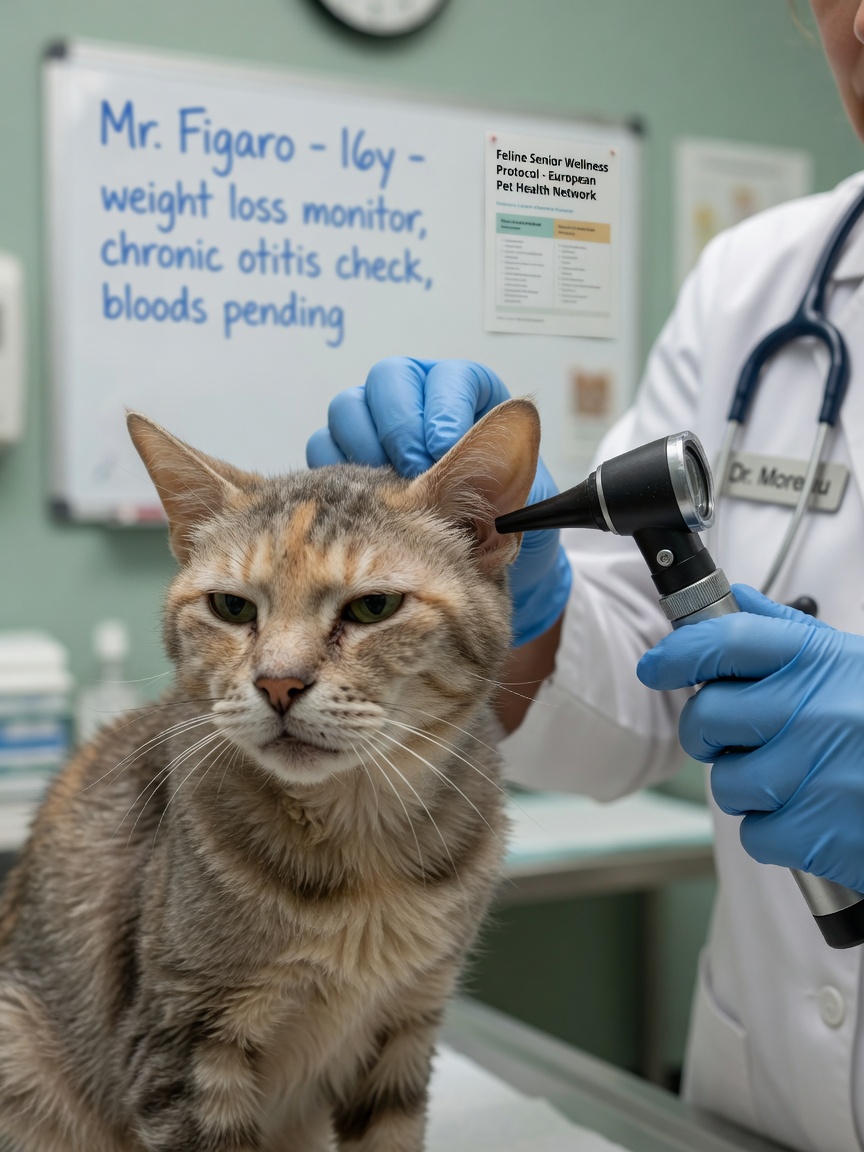
A thorough diagnostic workup for a weight-losing senior cat typically includes full blood chemistry and haematology, thyroid hormone level, urinalysis with urine protein to creatinine ratio, blood pressure measurement, abdominal ultrasound, and a careful oral examination. Chest radiographs are indicated if cardiac disease or mediastinal masses are suspected. Intestinal biopsy — obtained either endoscopically or surgically — may be needed to distinguish between the various causes of intestinal disease.
The key message is that weight loss in an older cat is not something to watch and wait on. Every week of delay is a week during which treatable conditions progress and the cat continues to lose condition that becomes increasingly difficult to restore.