
The Cat That Supposedly Loves to Swim
The Turkish Van is frequently described as the "swimming cat" — a breed so drawn to water that owners supposedly find them paddling in ponds and batting at taps. While there is a kernel of truth to the observation that many Turkish Vans show unusual curiosity about water, the swimming legend is largely overstated. Understanding what lies beneath this reputation matters for practical reasons, particularly when it comes to kidney health and coat maintenance.
What Science Says About Turkish Vans and Water Attraction
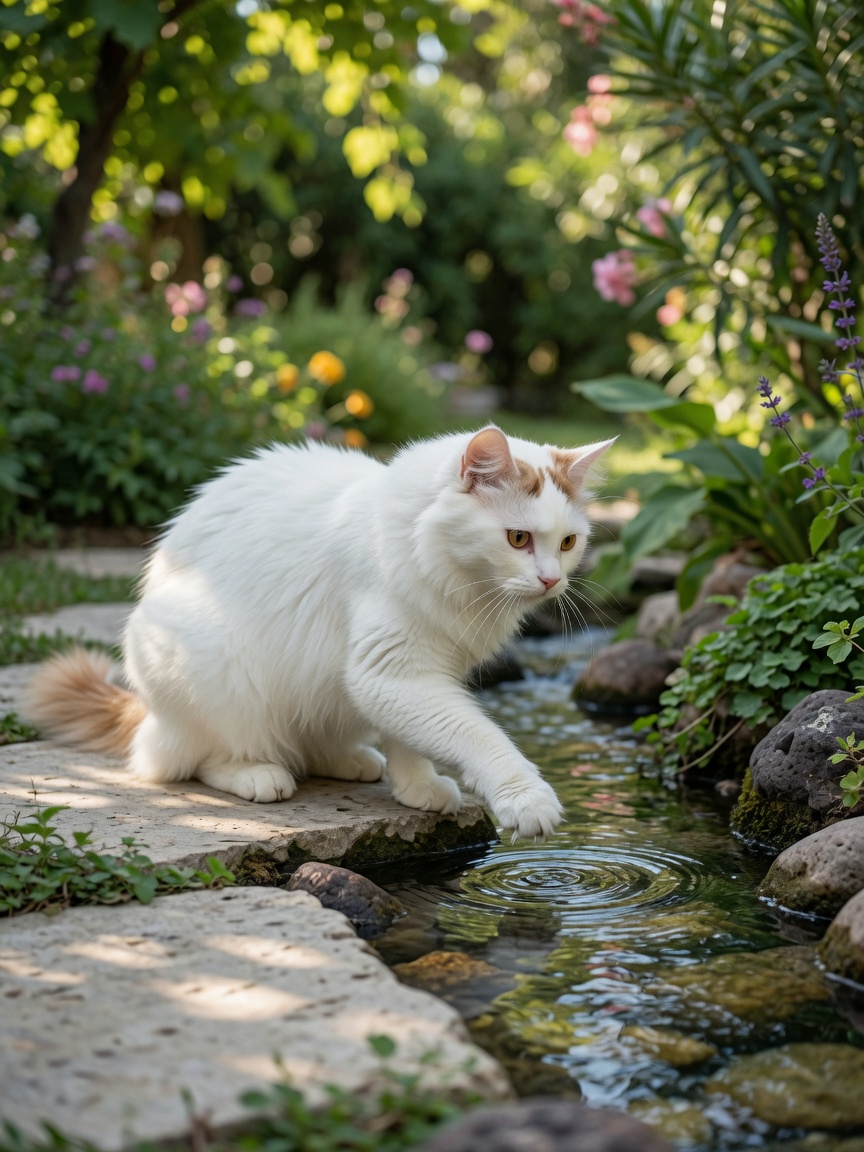
Turkish Vans do display a notable behavioural tendency to interact with water sources — dripping taps, shallow dishes, and puddles often attract their attention. This is thought to stem from their origins in the Lake Van region of eastern Turkey, where the breed developed in semi-arid conditions and likely needed to seek out water sources actively. However, "fascination with water" does not translate reliably into "willing swimmer." Most Turkish Vans dislike full immersion as much as any other domestic cat.
From a health standpoint, this water-seeking tendency can be a useful trait. Cats that are drawn to moving or fresh water tend to drink more consistently, which has direct benefits for urinary tract and kidney function.
Kidney Health in the Turkish Van
The Turkish Van is not considered a breed with a documented hereditary kidney disease in the way that Persians carry polycystic kidney disease (PKD). However, chronic kidney disease (CKD) is the leading cause of death in domestic cats overall, and the Turkish Van is not exempt from this risk.
Hydration and Kidney Function
Because cats evolved as desert animals with a low thirst drive, many do not drink sufficient water when fed exclusively on dry kibble. The Turkish Van's affinity for water sources can work in its favour here, but owners should not rely on behavioural quirks alone. Providing multiple water stations, using wide shallow bowls, and incorporating wet food into the diet are straightforward strategies to support kidney health across the lifespan.
Monitoring and Early Detection
Annual blood panels that include creatinine, BUN, and SDMA levels are the most reliable way to catch early-stage kidney disease before clinical signs appear. The SDMA marker in particular can flag kidney function decline significantly earlier than traditional markers. Always discuss screening frequency with your vet, especially once your Turkish Van reaches seven years of age.
The Turkish Van Coat: Structure and Special Needs
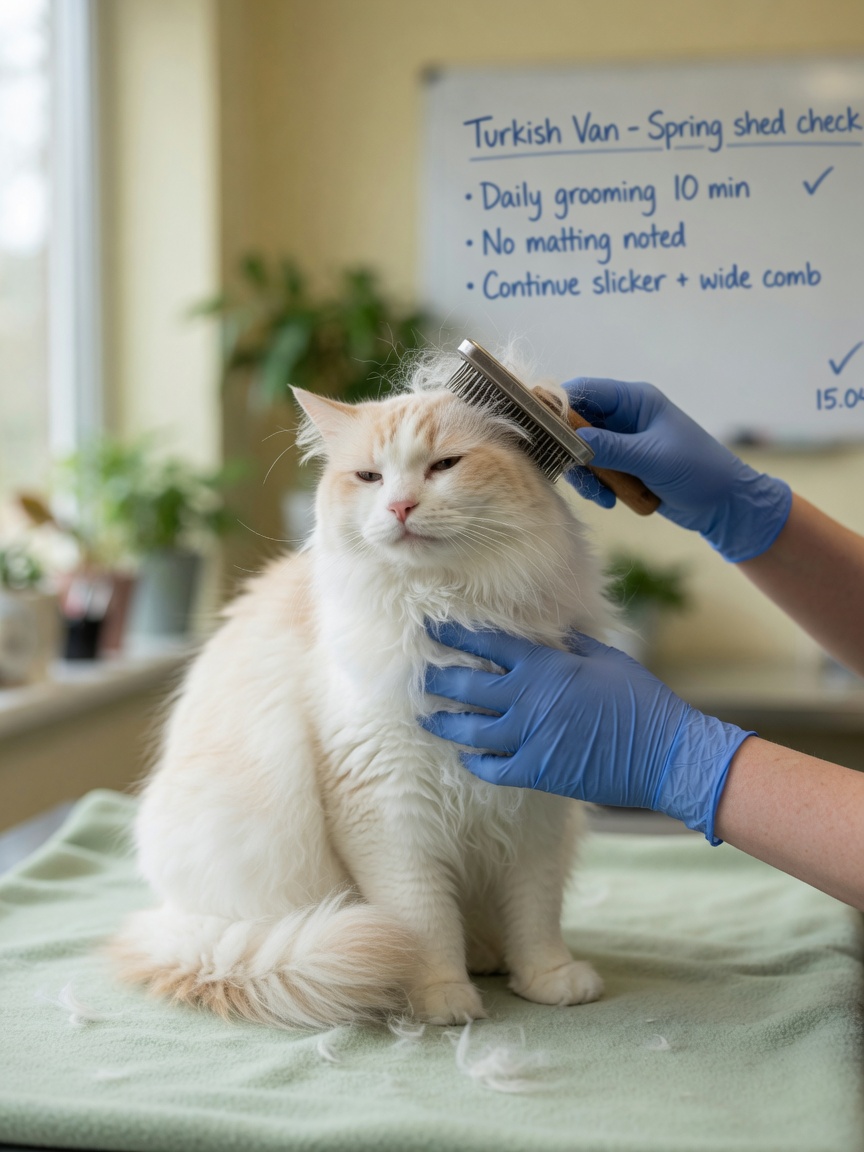
The Turkish Van's coat is one of its most distinctive features — semi-long, cashmere-like in texture, and notably lacking a dense undercoat. This single-layer structure is what gives the coat its silky quality and also what makes it relatively water-resistant, a characteristic that likely contributed to the swimming myth.
Why the Lack of Undercoat Matters
Without a thick undercoat, the Turkish Van's fur does not mat as readily as breeds like the Maine Coon or Persian. However, the coat still requires regular attention. During seasonal coat changes — particularly in spring — the longer guard hairs shed in noticeable quantities. Weekly brushing with a wide-toothed comb or a slicker brush appropriate for single-layer coats is generally sufficient outside of shedding season.
Bathing Considerations
Given the breed's water-resistant coat, bathing when necessary — following illness, surgery, or significant soiling — tends to go more smoothly than with many other long-haired breeds. The coat dries relatively quickly. Use a gentle, pH-appropriate cat shampoo and ensure the cat is thoroughly dried in a warm environment to prevent chilling.
Nutrition for Coat and Kidney Support
Coat quality and kidney health are both significantly influenced by diet. For the Turkish Van, a high-protein, moisture-rich diet forms the sensible foundation. Omega-3 fatty acids from fish oil sources support coat lustre and skin integrity. For cats showing early markers of kidney stress, your vet may recommend a phosphorus-restricted diet — do not implement this change without veterinary guidance, as inappropriately restricted diets can cause harm in cats with normal kidney function.
Practical Summary for Turkish Van Owners
- Do not assume your Turkish Van will swim willingly — respect individual temperament around water.
- Encourage adequate hydration through wet food, moving water sources, and multiple drink stations.
- Schedule annual blood panels from age seven onwards to monitor kidney function, including SDMA.
- Brush the coat weekly, increasing to two or three times weekly during spring shedding.
- Feed a high-protein, moisture-rich diet and discuss omega-3 supplementation with your vet.
- Consult a vet before making any dietary changes, particularly regarding phosphorus restriction.