
Tonkinese Breed Guide: The Sociable Cross Between Burmese and Siamese
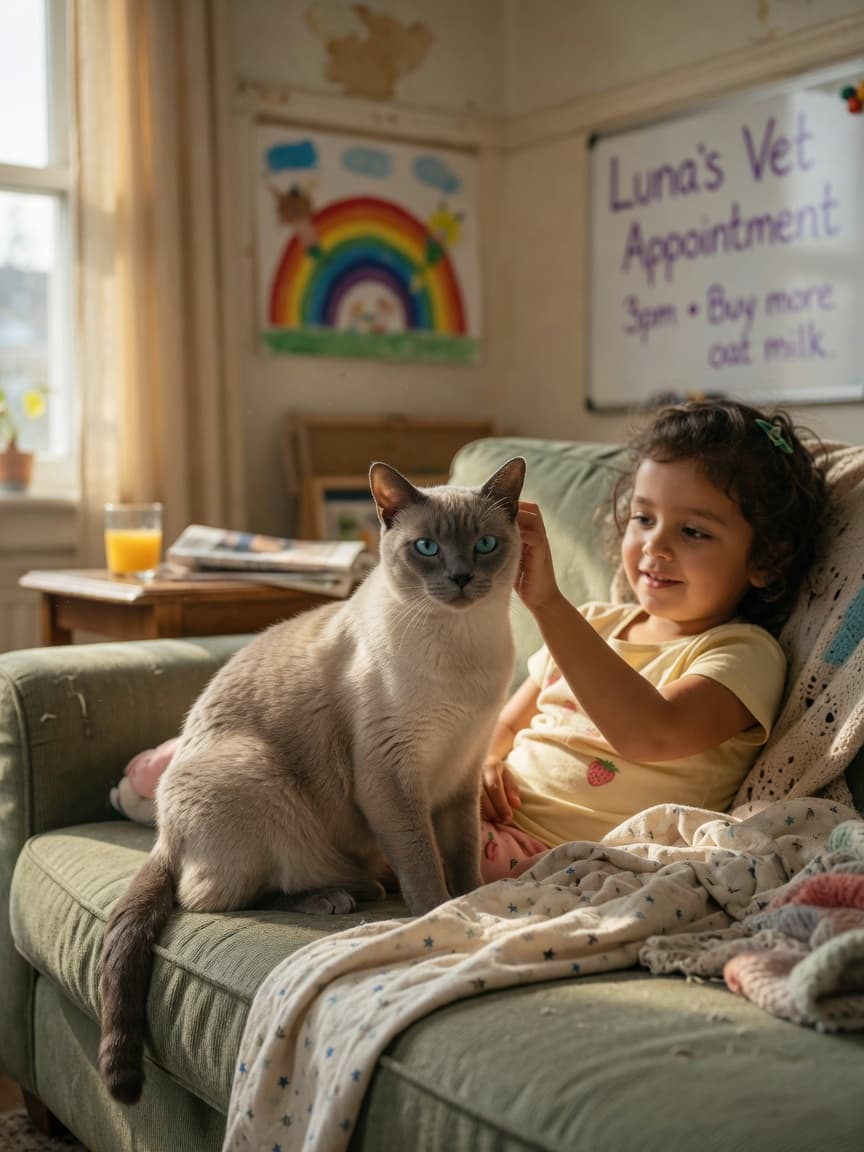
The Tonkinese is a breed that occupies a unique and appealing middle ground. Developed by crossing the Burmese with the Siamese, it combines the affectionate, laid-back warmth of the Burmese with the intelligence and playfulness of the Siamese, while being somewhat less demanding and vocal than either parent breed. The result is a confident, sociable, and adaptable cat that is genuinely comfortable with children, other cats, and even friendly dogs. The Tonkinese is often described as the ideal family cat for those who want a pedigree with personality but without the high-maintenance tendencies of its parent breeds.
Origin and History
The Tonkinese has a longer history than many people realise. The first cat to be imported from Burma to the United Kingdom — Wong Mau, brought to the United States in 1930 — was later identified as likely being a natural Tonkinese-type cat rather than a pure Burmese, suggesting that the Burmese and Siamese cross has existed as a naturally occurring type in South East Asia for centuries. However, the deliberate breeding programme that created the modern Tonkinese was established in Canada in the 1960s by breeder Margaret Conroy, who crossed Siamese and Burmese cats and selectively bred for a type that expressed the best traits of both.
The breed was recognised in Canada and the United States in the 1970s and 1980s and was subsequently accepted by the Governing Council of the Cat Fancy (GCCF) in the United Kingdom. Today, the Tonkinese is steadily growing in popularity across Europe as a family-friendly, moderate-energy pedigree breed.
Coat Colour and Genetics
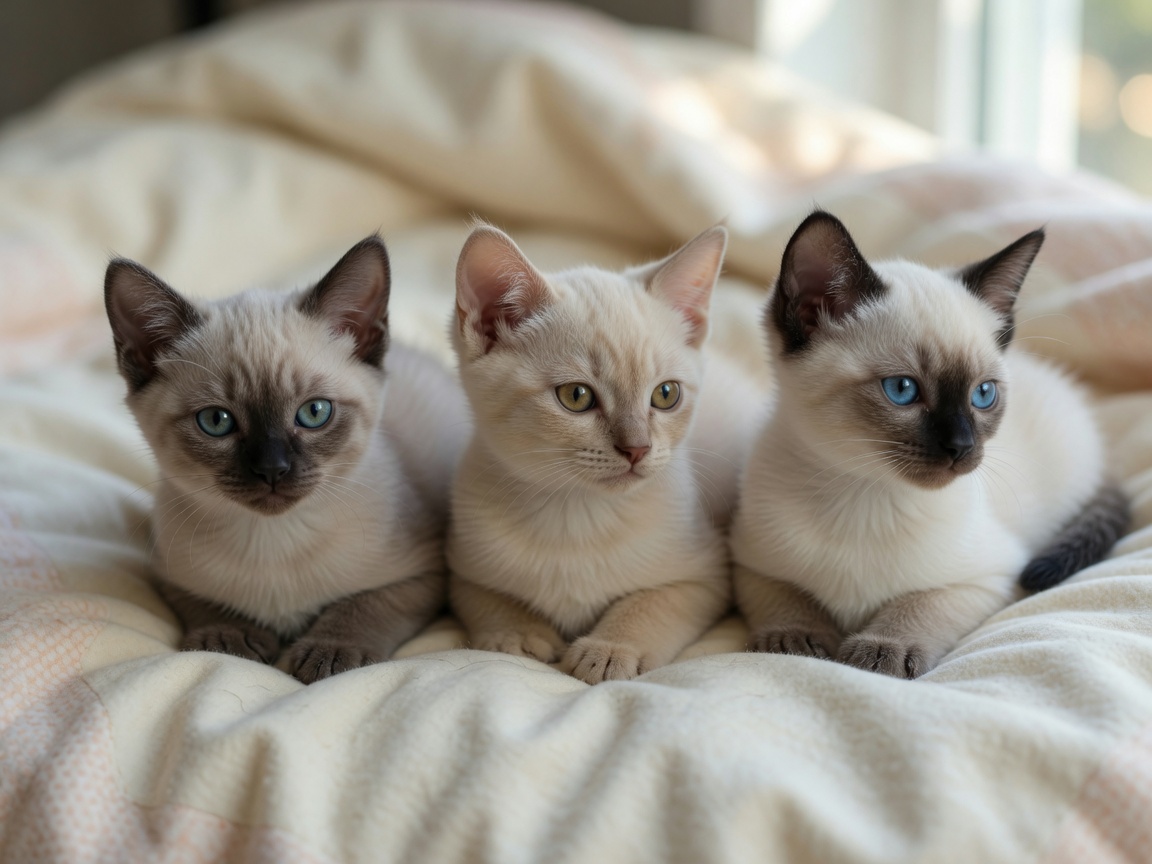
One of the most fascinating aspects of the Tonkinese is its coat colour genetics. The breed comes in three distinct coat patterns determined by the combination of colour genes inherited from the parents. The mink pattern — a soft, blended colour that is neither as light as a pointed Siamese nor as solid as a Burmese — is the original and most characteristic Tonkinese pattern, with aquamarine eyes. The solid pattern has a uniform coat and gold or yellow-green eyes, reflecting Burmese heritage. The pointed pattern has the typical Siamese-style points on the face, ears, legs, and tail with blue eyes.
Because the gene responsible for each pattern is codominant, two Tonkinese parents of any pattern can produce kittens of all three coat types in the same litter. This means that a litter of Tonkinese kittens may include mink, solid, and pointed individuals — all equally purebred Tonkinese, though only the mink is accepted for showing in some registries.
Temperament and Personality
The Tonkinese is a highly sociable, curious, and playful cat. It is considerably more laid-back than the Siamese in terms of its vocal demands — it will hold a conversation if invited, but does not tend to verbalise constantly or insistently. It is warmer and more relaxed than many Siamese-derived breeds, sitting comfortably on laps, tolerating handling, and generally adapting well to the rhythms of family life.
Despite being somewhat calmer than its parent breeds, the Tonkinese is still an active, engaged cat. It enjoys interactive play, puzzle feeders, and climbing structures. It tends to retain its playful energy into adulthood and does not become a sedentary lap cat early in life.
The breed is notably good with children, showing patience and sociability that make it a genuinely suitable family pet. It generally gets along well with other cats and can adapt to life with a calm, cat-friendly dog. Like most social breeds, it does not do well when left alone for extended periods and benefits greatly from a feline companion.
Common Health Conditions
Hypertrophic Cardiomyopathy
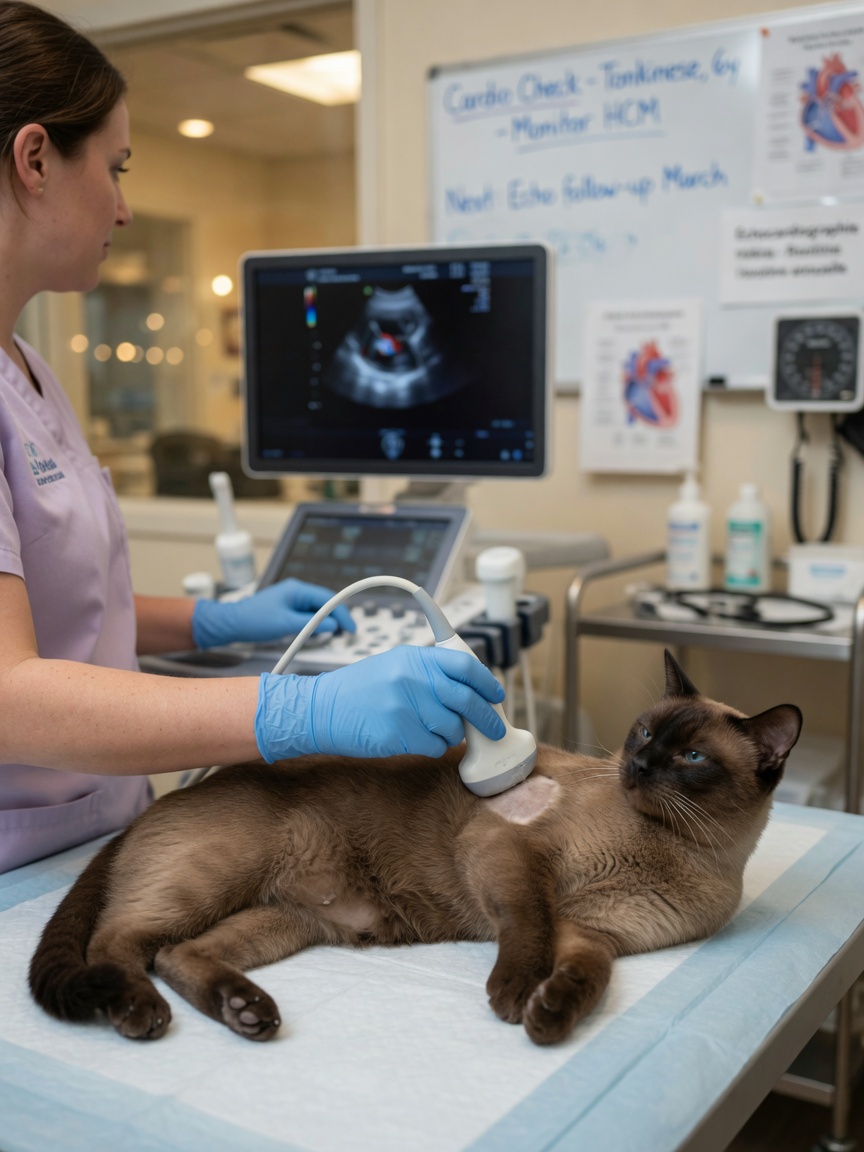
As with many breeds derived from Siamese and Burmese lines, the Tonkinese has a predisposition to hypertrophic cardiomyopathy (HCM), the most common form of heart disease in cats. HCM causes the walls of the heart's ventricles to thicken, reducing the heart's ability to pump blood effectively. The condition can be present for years without visible signs. When symptoms do appear, they may include laboured breathing, reduced activity, and in severe cases sudden collapse. Annual echocardiographic screening is recommended for Tonkinese cats, particularly breeding animals.
Amyloidosis
Inherited from the Burmese line, amyloidosis is a condition in which abnormal amyloid proteins are deposited in the organs. In Burmese-related cats, the liver is the primary site of amyloid deposition, which can cause progressive liver dysfunction and, in serious cases, liver rupture with internal bleeding. Affected cats may show few signs until the disease is advanced. There is currently no cure and no widely available DNA test for this form of amyloidosis. Selecting cats from breeders who track the longevity and health of their lines is the most practical risk-reduction strategy available.
Gingivitis and Periodontal Disease
Tonkinese cats are prone to dental issues, particularly gingivitis and periodontal disease. Gum inflammation, tartar accumulation, and eventual tooth loss can result if dental health is neglected. Daily tooth brushing is the most effective preventative measure, and professional dental scaling under anaesthetic should be carried out as recommended by your vet. Regular dental check-ups from kittenhood help to establish good baseline health and catch early disease.
Crossed Eyes
Due to the Siamese component of the Tonkinese's genetic heritage, strabismus — crossed eyes — can occasionally appear. In modern breeding programmes, this trait has been largely selected against, but it may still emerge. Cosmetically unusual rather than medically significant in most cases, crossed eyes in cats do not generally require treatment unless they affect vision significantly.
Obesity
The Tonkinese is notably food-motivated and has a tendency to gain weight if diet is not monitored carefully. Unlike the lean Siamese, the Tonkinese carries more body substance and can become overweight with surprisingly little overeating. Obesity increases the risk of diabetes, joint problems, and worsens cardiac conditions. Regular weight checks and strict portion control are important throughout the cat's life.
Grooming
The Tonkinese coat is short, fine, and close-lying, with a characteristic silky texture and subtle sheen. It is very easy to maintain. A weekly stroke with a soft rubber grooming mitt or chamois cloth removes loose hairs and maintains the coat's natural lustre. The breed sheds minimally and is considered a relatively low-shedding choice. Regular ear cleaning, monthly nail trimming, and frequent tooth brushing complete the grooming routine.
Diet and Nutrition
A high-quality, complete diet appropriate to the cat's life stage is important for the Tonkinese. Given the breed's tendency toward weight gain, measured portions at set mealtimes are preferable to free-feeding throughout the day. Wet food helps to maintain adequate hydration, which supports kidney and urinary health. Treats should be given sparingly and counted as part of the daily caloric intake.
Lifespan
The Tonkinese typically lives between 12 and 16 years. Good nutrition, regular veterinary care including dental and cardiac monitoring, and maintaining a healthy weight all contribute to a long and comfortable life.
Is a Tonkinese Right for You?
The Tonkinese is one of the most family-friendly pedigree cat breeds available. It is sociable without being overwhelming, playful without being frantic, and affectionate without being clingy. It suits busy households with children and other pets and adapts well to a variety of home environments. The main requirements are companionship, play, and careful attention to diet and dental health.
- Ideal for: Families with children, multi-pet households, those wanting a sociable and adaptable pedigree cat
- Not ideal for: Owners looking for an independent, low-interaction cat, or those unable to commit to regular dental care
- Key requirement: A feline companion is strongly beneficial; annual cardiac screening; careful weight management throughout life