
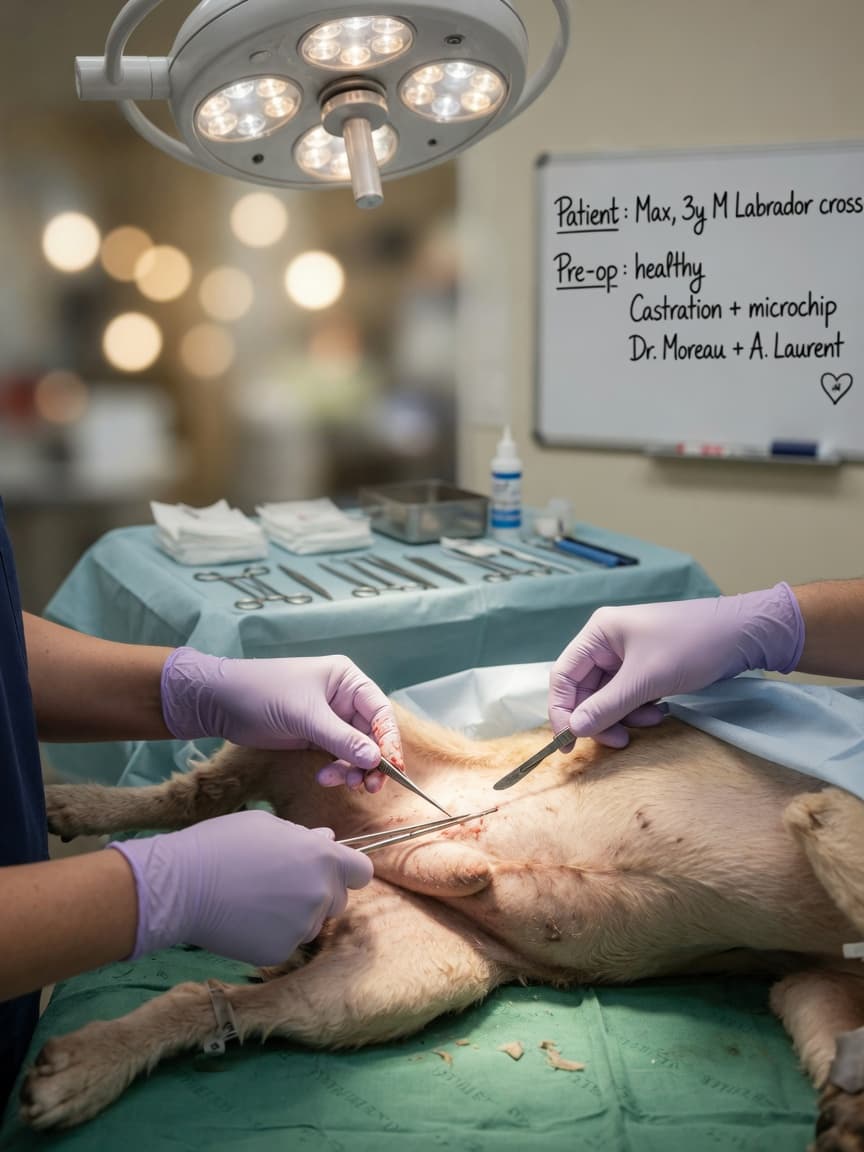
The Role of Testosterone in Male Dogs
Testosterone is the primary androgen produced by the testes in intact male dogs. It plays a central role in the development of secondary sexual characteristics, reproductive capability, and a range of behaviours that are often described collectively as "male-typical." Understanding what testosterone actually drives — and what it does not — is essential for setting realistic expectations about what neutering will and will not change.
Testosterone levels in intact males are not constant. They fluctuate in response to social cues, the presence of females in season, competition with other males, and seasonal variation. This variability means that testosterone-driven behaviours may not be consistently present, but rather triggered situationally.
Behaviours Driven by Testosterone
Research has established fairly clearly which canine behaviours are androgen-dependent, meaning they are reliably reduced or eliminated by removing the source of testosterone.
Roaming and Mounting
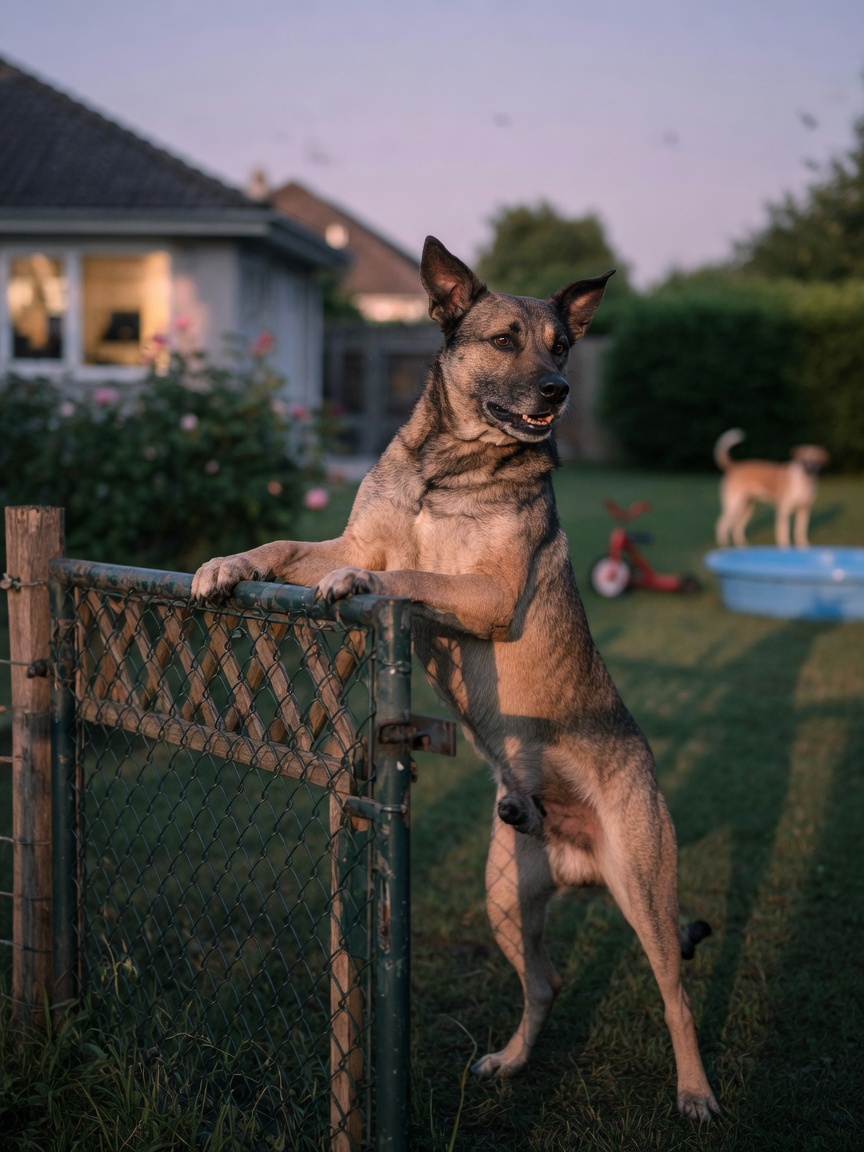
The urge to seek out females in oestrus is strongly testosterone-driven. Intact males may travel considerable distances, scale fences, or escape gardens in pursuit of a receptive female. Mounting behaviour — directed at females, other males, inanimate objects, or humans — is similarly androgen-mediated, though it can also occur in neutered dogs as a learnt behaviour or in response to excitement.
Urine Marking
Scent marking, particularly frequent leg-cocking and urination in small quantities on multiple surfaces, is closely linked to testosterone. It serves a communicative function, advertising the male's presence and reproductive status to other dogs. The frequency of this behaviour is reliably reduced following castration in the majority of intact males.
Inter-Male Aggression
Aggression directed specifically at other intact male dogs is one of the most clearly testosterone-associated behaviours. It typically emerges around sexual maturity — between six months and two years depending on the breed — and intensifies in the presence of females in season. This form of aggression tends to respond well to neutering.
Sexually Motivated Aggression
Some males show aggression in contexts related to reproduction — guarding access to females, competing with rival males, or reacting defensively when interrupted during mounting. These behaviours are androgen-dependent and are typically reduced following castration.
Behaviours That Are Not Reliably Changed by Neutering
This is where expectations are frequently misaligned. Neutering is not a behavioural cure-all. Several behaviours that owners attribute to testosterone are actually influenced by other factors — genetics, environment, learning history, and general arousal — and do not reliably improve after castration.
- Fear-based aggression: if a dog snaps or bites due to anxiety or insecurity, neutering rarely helps and may occasionally worsen the problem by removing the slight confidence boost that androgens can provide
- Resource guarding: possessive aggression over food, toys, or resting places is not testosterone-dependent
- Reactivity and over-arousal: dogs that lunge and bark on lead are typically responding to learnt habits or anxiety rather than hormones
- Separation anxiety and noise phobias: entirely unrelated to reproductive hormones
- Learnt behaviours: any behaviour that has been practised and reinforced over time may persist after neutering regardless of its original hormonal trigger
What the Evidence Shows About Behavioural Change Post-Neutering
A widely cited study by Hopkins, Schubert, and Hart found that urine marking was reduced in approximately 50% of neutered males, roaming in around 90%, and mounting in roughly 70%. Inter-male aggression was reduced in about 60% of cases. Importantly, these reductions were most pronounced in dogs neutered before the behaviours became well-established habits.
More recent research, including work by Farhoody and Zink, has raised questions about the timing of neutering and its impact on behaviour. Some studies suggest that early neutering — before hormonal maturity — may increase the prevalence of certain fear-related and anxiety-driven behaviours, particularly in larger breeds. This has generated significant debate in the veterinary community and shifted recommendations in some countries, including the UK, towards later neutering or consideration of alternative procedures.
Physical Changes After Neutering
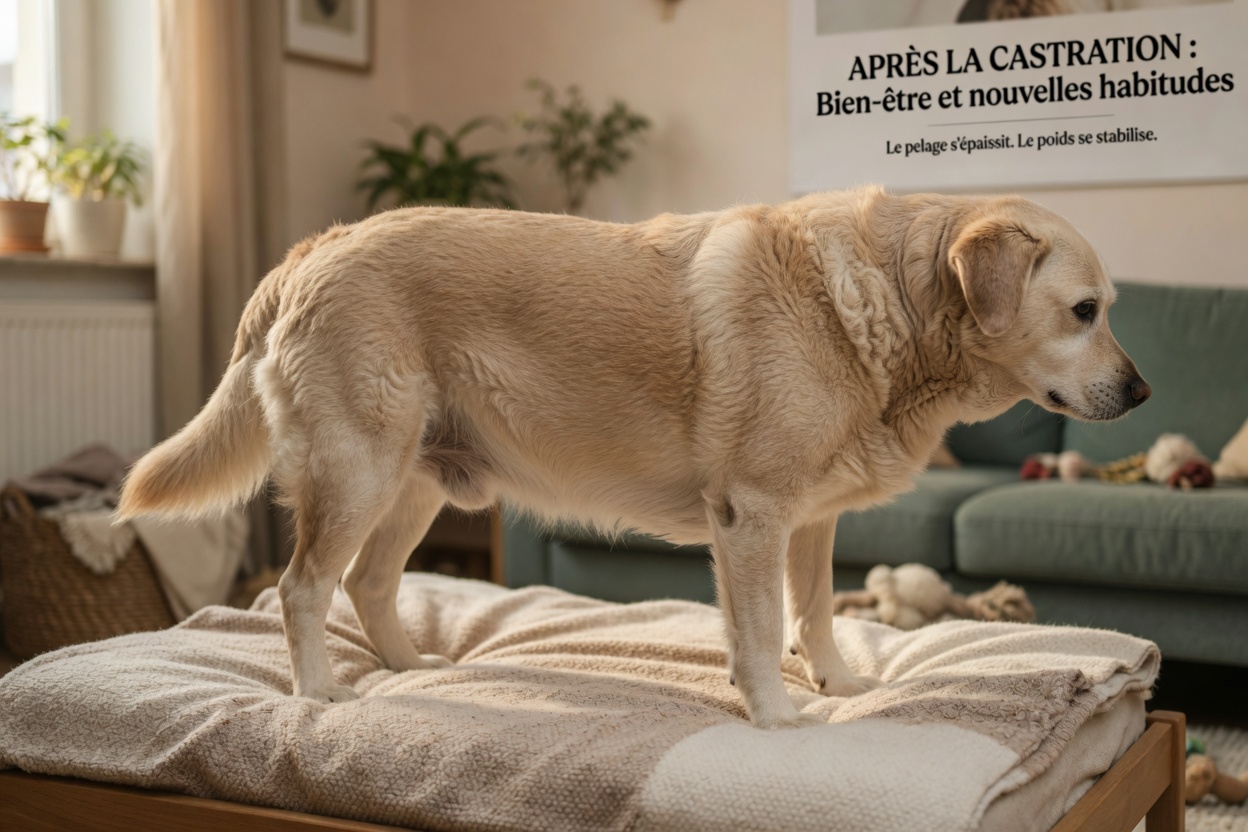
Beyond behaviour, castration produces predictable physical changes. Testosterone-dependent tissue regresses in the absence of androgen stimulation.
- The prostate gland typically reduces to a fraction of its original size within weeks of surgery, which is highly beneficial for dogs with benign prostatic hyperplasia
- The testes are absent, with the scrotum gradually reducing in size in dogs neutered young
- Testosterone-dependent muscle mass may reduce over time, and body composition can shift towards increased fat deposition — necessitating dietary adjustment
- Coat changes occur in some breeds, particularly those with double coats, which may become thicker or more woolly — a phenomenon sometimes called post-clipping or spay coat
Timing and Alternatives
The question of when to neuter — or whether to neuter at all — is increasingly nuanced. For male dogs intended purely as companions with no breeding role, neutering remains common practice in the UK. However, many vets now advocate waiting until skeletal and hormonal maturity before performing the procedure, particularly in medium to large breeds.
Chemical castration using a GnRH agonist implant (such as Suprelorin) is a reversible alternative that suppresses testosterone production without surgical intervention. It is useful for trialling the behavioural effects of testosterone reduction before committing to permanent castration, and for owners seeking a non-surgical option.
A vasectomy, which renders the dog infertile while preserving testosterone production, is occasionally considered for dogs where behaviour modification is not the goal and hormonal benefits are desired. This remains relatively uncommon in UK practice but is gaining interest.
Setting Realistic Expectations
Neutering a male dog will not transform his fundamental personality. A confident, sociable dog is likely to remain so; an anxious or reactive dog will not become calm simply because his testes have been removed. The behaviours most reliably modified are those most directly driven by testosterone — roaming, marking, inter-male aggression, and mounting. For everything else, training, socialisation, and addressing underlying anxiety remain the most effective tools. Neutering is one piece of a much larger picture.