
Why Spaying Matters More Than You Might Think
Spaying — the surgical removal of a female dog's ovaries and uterus — is one of the most common procedures performed in veterinary practice. Most owners know it prevents unwanted pregnancies, but the decision about when to spay, and what to expect afterwards, is far more nuanced than a single vet appointment might suggest. Getting the timing right can genuinely influence your dog's long-term health outcomes.
What Age Is Best for Spaying?
The traditional recommendation was to spay before the first heat cycle, typically around six months of age. This approach does offer real benefits: research published in the journal Veterinary Sciences found that spaying before the first heat reduces the risk of mammary tumours to less than one per cent. That figure rises to around eight per cent after the first heat and twenty-six per cent after the second.
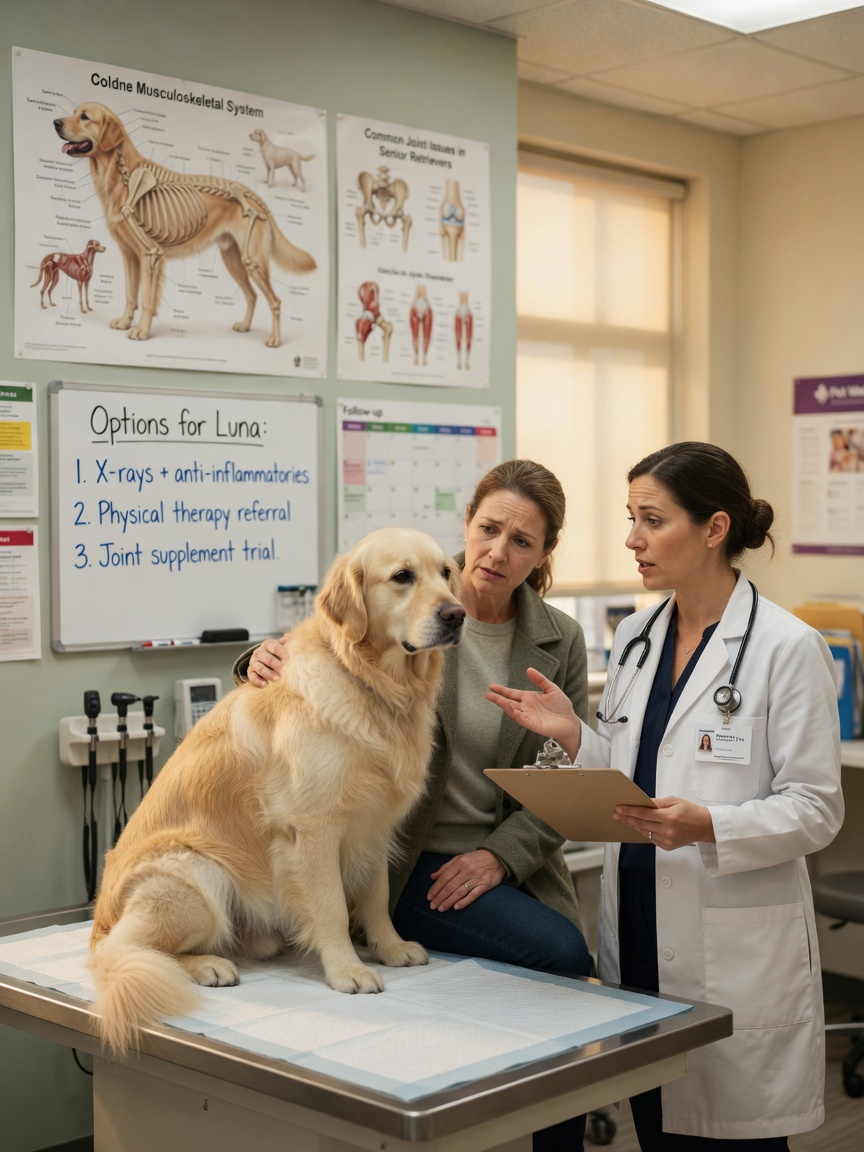
However, more recent research has complicated the picture considerably, particularly for large and giant breeds. A landmark study from the University of California, Davis, examining over 35 breeds found that early spaying in breeds such as Golden Retrievers, German Shepherds, and Labrador Retrievers was associated with increased rates of joint disorders and certain cancers, including lymphoma and mast cell tumours. The theory is that sex hormones play an important role in musculoskeletal development, and removing them too early can interfere with bone and joint closure.
Current thinking from many veterinary bodies now leans toward a more individualised approach:
- Small breeds (under 20 kg): spaying at around six months remains generally appropriate
- Medium breeds: spaying between six and twelve months is commonly recommended
- Large and giant breeds: many vets now advise waiting until 12 to 18 months, or even later, to allow full physical maturity
Your vet will take into account your dog's breed, size, health history, and living situation — including whether she has access to intact males.
The Surgery Itself: What Happens
Spaying is performed under general anaesthesia. The most common technique is an ovariohysterectomy, in which both the ovaries and uterus are removed. Some vets perform an ovariectomy — removing only the ovaries — which current evidence suggests carries equivalent long-term health outcomes with a slightly shorter procedure time.
The operation typically takes between 45 minutes and an hour and a half, depending on the dog's size and whether she is currently in heat or pregnant, both of which increase blood supply to the reproductive organs and make surgery more complex.
Recovery: What to Expect in the Days and Weeks After

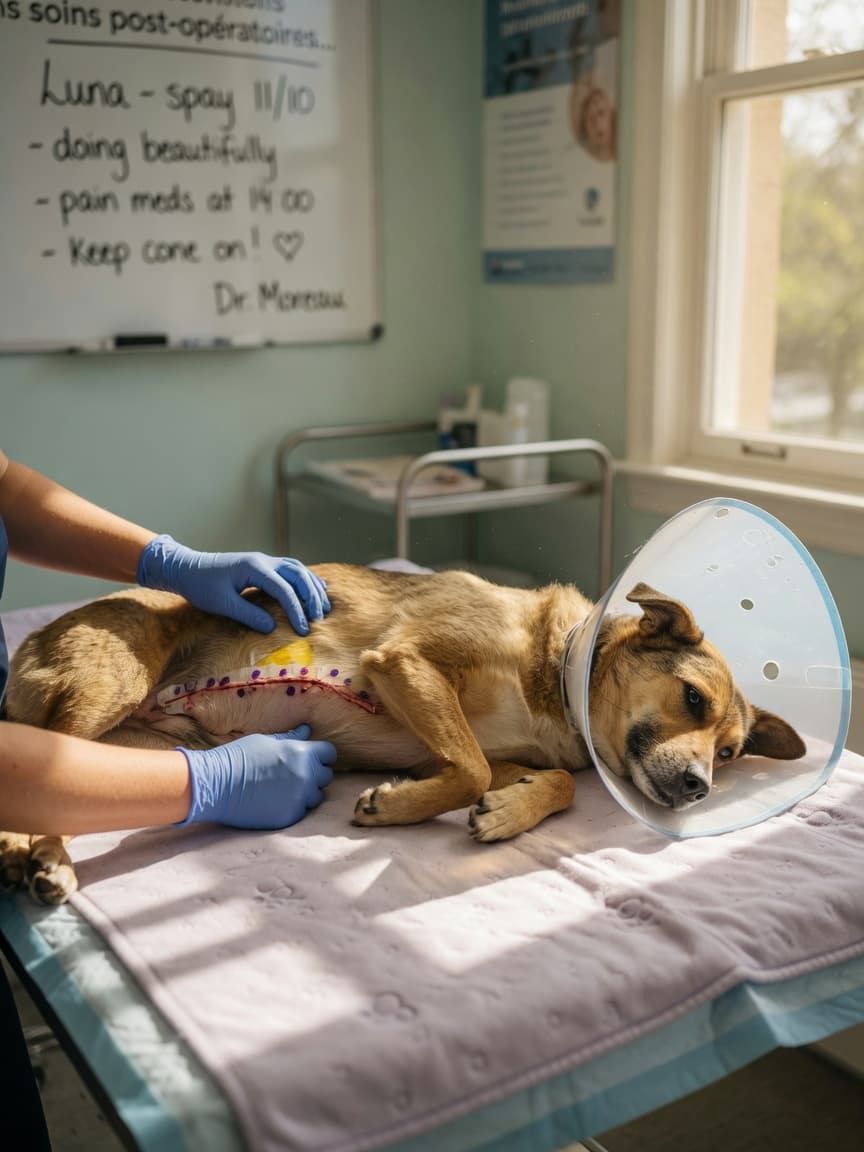
Most dogs are discharged the same day or the morning after surgery. The first 24 to 48 hours are when dogs tend to feel the most groggy and uncomfortable. You should expect some lethargy, reduced appetite, and mild soreness around the incision site.
Key recovery guidelines include:
- Restrict activity for at least ten to fourteen days — no running, jumping, or rough play
- Check the incision daily for signs of redness, swelling, discharge, or the wound opening
- Use a buster collar or recovery suit to prevent licking, which can introduce infection
- Administer any prescribed pain relief as directed, even if your dog seems comfortable
- Return to your vet immediately if your dog shows signs of excessive pain, pale gums, or a distended abdomen
Most dogs are back to their normal selves within two to three weeks, though complete internal healing takes longer.
Long-Term Health Effects: The Full Picture
The long-term effects of spaying are an area of active research and genuine veterinary debate. On the benefit side, spaying eliminates the risk of pyometra — a life-threatening uterine infection — and dramatically reduces mammary tumour risk when performed early. It also prevents ovarian and uterine cancers entirely.
On the other side of the ledger, studies have identified associations between spaying and:
- Higher rates of urinary incontinence, affecting an estimated five to twenty per cent of spayed females
- Increased risk of certain orthopaedic conditions in large breeds, including hip dysplasia and cruciate ligament rupture
- A modest increased risk of some cancers in specific breeds, as noted in the UC Davis research
- Potential changes in coat texture and weight gain, the latter often manageable through diet adjustment
It is important to stress that these risks are breed-specific and individual. For the vast majority of dogs, particularly small and medium breeds, the benefits of spaying — when performed at an appropriate age — substantially outweigh the risks.
Hormone-Sparing Alternatives
For owners concerned about the hormonal effects of full removal, some veterinary surgeons now offer ovary-sparing spays, in which the uterus is removed but the ovaries are retained. This prevents pregnancy and eliminates pyometra risk while preserving hormonal function. It is not yet widely available and requires a vet with specific surgical training, but it is worth discussing if you have a large breed dog and significant concerns about early desexing.
Making the Decision
Spaying remains one of the most thoroughly studied and broadly recommended interventions in small animal medicine. The key is to treat it as a decision rather than a default — one made in conversation with your vet, informed by your dog's individual profile. Breed, size, lifestyle, and your ability to manage an intact female all belong in that conversation. The evidence is nuanced, but the core message is consistent: a well-timed spay, with proper recovery, gives most dogs the best chance of a long and healthy life.