
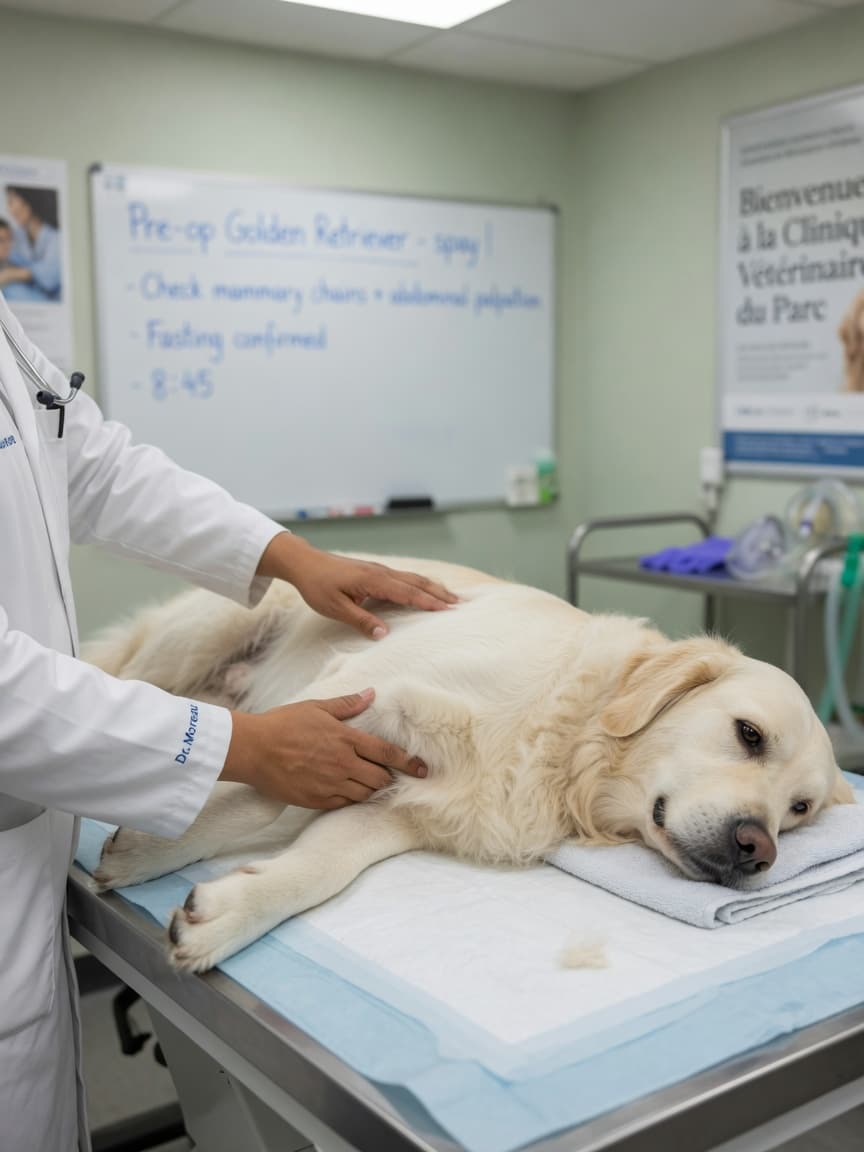
The Old Advice No Longer Tells the Full Story
For decades, the standard recommendation from most veterinary practices was to spay or neuter dogs at or around six months of age. The reasoning was straightforward: prevent unwanted litters, reduce roaming and aggression in males, and eliminate certain reproductive cancers in females. For smaller breeds, much of this guidance holds up reasonably well. For large and giant breeds, the picture has become considerably more complicated.
A growing body of peer-reviewed research, including landmark studies from the University of California Davis, has shifted how many veterinary professionals think about the timing of these procedures — particularly for dogs expected to reach over 20 kilograms at adult weight. The conversation now centres not just on reproductive outcomes, but on the role that sex hormones play in musculoskeletal development, cancer risk, and long-term joint health.
Why Sex Hormones Matter Beyond Reproduction
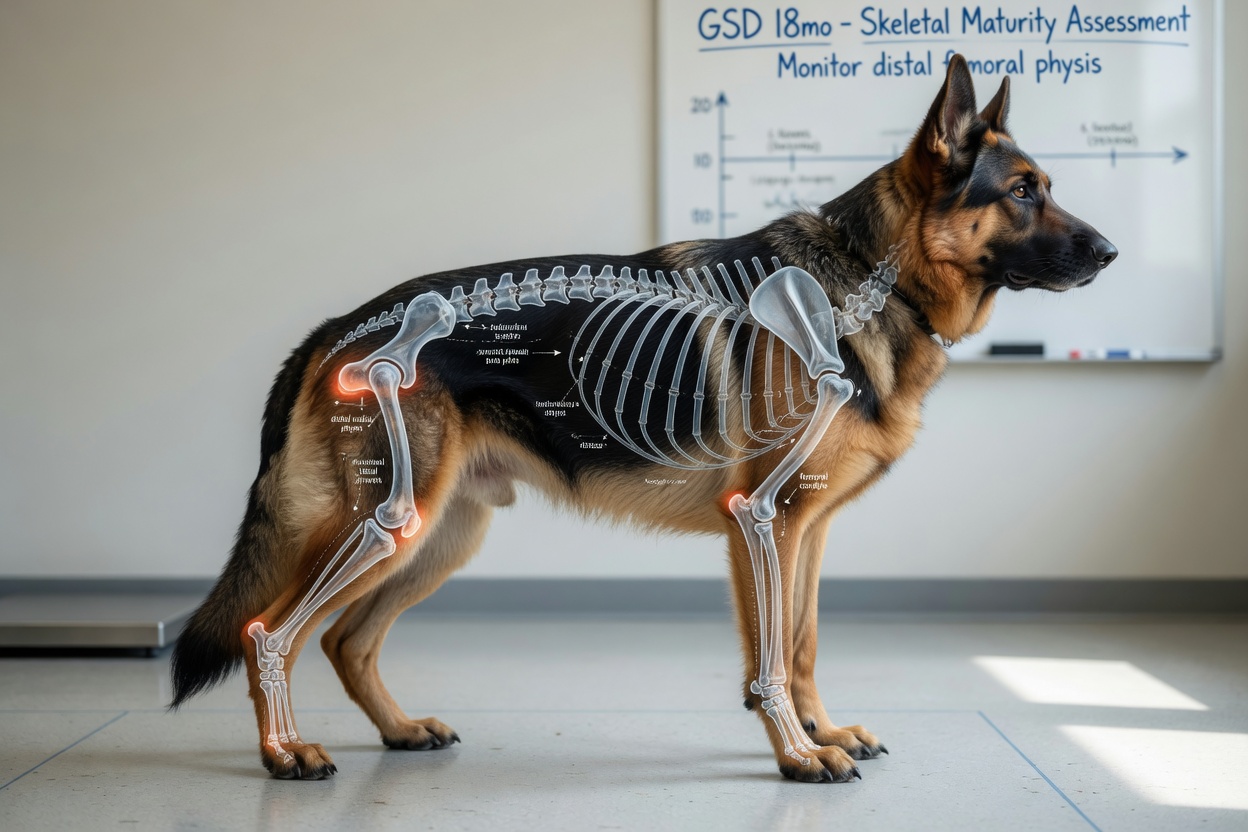
Oestrogen and testosterone are not simply reproductive hormones. In dogs, they also play a direct role in the closure of growth plates — the areas of cartilage near the ends of long bones where new bone tissue is produced during development. When these hormones are removed before the growth plates have naturally closed, the plates remain open longer than they would otherwise.
This extended growth period results in dogs growing taller and longer than their genetics would typically produce. It also alters the angles and proportions of developing joints, which appears to contribute to a measurably higher incidence of certain orthopaedic conditions — including cranial cruciate ligament rupture, hip dysplasia, and elbow dysplasia — in large breed dogs neutered early.
The UC Davis studies, which followed thousands of dogs across breeds including Golden Retrievers, Labrador Retrievers, German Shepherds, and Rottweilers, found significant differences in joint disorder rates between dogs neutered before twelve months and those neutered later or left intact. The differences were most pronounced in the largest breeds.
Cancer Risk: A Complicated Calculation

The traditional argument for early spaying in females — that it dramatically reduces mammary tumour risk — remains valid. Spaying before the first season reduces this risk to under one per cent; spaying after the second season reduces that benefit considerably. This is important data that should not be dismissed.
However, the UC Davis research identified a countervailing risk: certain cancers — including haemangiosarcoma, mast cell tumours, lymphoma, and osteosarcoma — appeared at higher rates in some neutered large breed dogs compared with intact dogs of the same breeds. These are serious, often fatal cancers, and the findings have prompted genuine reconsideration of the risk-benefit calculation for large breeds specifically.
It is worth noting that these cancer associations vary significantly by breed. What holds for a Golden Retriever may not apply to a Border Collie. This is one reason why breed-specific guidance has become increasingly important in this area, and why a single universal neutering age is no longer considered appropriate by many veterinary professionals.
What the Current Guidance Recommends
There is not yet a single universal updated protocol, in part because the evidence continues to evolve and because breed variation makes blanket recommendations difficult. However, a reasonable summary of current thinking among veterinary professionals informed by this research includes the following:
- For large breeds (20–40 kg adult weight), waiting until twelve to eighteen months before neutering allows for more complete musculoskeletal development
- For giant breeds (over 40 kg adult weight), some vets now recommend waiting until eighteen to twenty-four months or longer
- For female dogs where mammary cancer risk is a particular concern, discussions should be individualised based on breed, lifestyle, and owner circumstances
- Intact dogs require responsible management to prevent unwanted breeding — this is a practical reality that must be factored into the decision
The Role of Behaviour in the Decision
Owners often request early neutering for behavioural reasons — reducing roaming, marking, mounting, or inter-dog aggression in males. The evidence that neutering reliably resolves these behaviours is actually weaker than commonly assumed. Many of these behaviours are learned or environmentally driven rather than purely hormonal, and neutering after they are established rarely eliminates them entirely.
Where genuinely hormone-driven behaviours are problematic and early neutering is being considered, chemical castration via a hormone implant offers a reversible, temporary option that allows owners to assess the behavioural impact before committing to surgical sterilisation. This can be a useful bridge in decision-making for large breed dogs where timing is uncertain.
Having the Conversation with Your Vet
Not every veterinary practice has updated its protocols in line with the emerging research, and you may encounter practices that still default to six-month neutering as standard. If you have a large or giant breed dog, it is entirely reasonable to ask your vet specifically about the research on delayed neutering in large breeds and what they recommend for your individual dog and situation.
A good veterinary conversation about neutering timing should take into account your dog's breed, predicted adult weight, sex, lifestyle, your management capacity for an intact dog, and any breed-specific cancer predispositions. It is not a simple yes-or-no question, and the best decisions are made with full information rather than default assumptions.
The science in this area is still developing. What we know now is that the six-month rule was developed without the benefit of the long-term outcome data we have today — and for large breed dogs particularly, waiting longer is increasingly well-supported by the evidence.